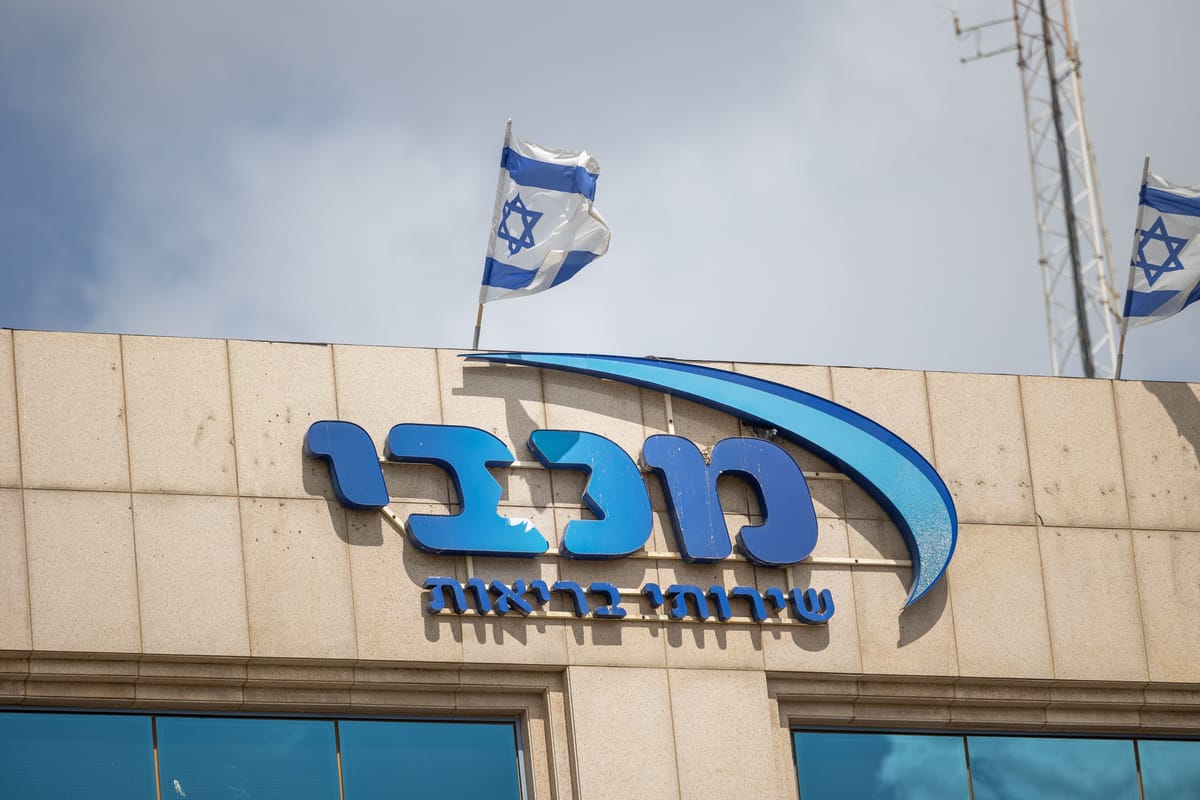
As the digital front of the ongoing regional war intensifies, the Iranian-linked hacking collective known as Handala has claimed a massive victory against Israel’s civilian infrastructure. On Wednesday, the group announced that it had successfully breached the servers of Clalit, the largest healthcare provider in Israel, which serves nearly half of the country’s population. Handala, a group frequently associated with Iranian intelligence, has a long history of targeting high-profile Israeli figures and essential services to erode public confidence. While Clalit has confirmed it is investigating the reliability of the claims, the group has already begun circulating what appear to be sensitive medical documents, including patient referrals and sick leave certificates, as proof of their intrusion.
The Shattered Walls of Security
The announcement from Handala was framed in highly ideological and aggressive terms, aimed at puncturing the reputation of Israel’s elite security apparatus. In a social media statement that quickly went viral, the group declared that “Clalit stands as a symbol of the Zionist entity’s healthcare infrastructure.” They went on to taunt the nation's intelligence community, stating, “Today, your so-called ‘secure’ systems have been shattered by our will, making a mockery of the myth of Mossad’s and your security agencies’ invincibility.” The hackers claimed that they have already exposed the data of more than 10,000 patients and described the move as “just a small warning.” They warned that “should your crimes continue, even harsher responses will follow,” suggesting that this is only the opening salvo in a broader cyber campaign.
Clalit’s Response and the Reality of the Breach
Clalit Health Services responded by activating its emergency cybersecurity protocols and notifying the National Cyber Directorate and the Ministry of Health. In an official statement, the provider noted that it is “examining the reliability of the message,” but emphasized that its medical systems and patient services are currently operating as usual. While the group has posted screenshots of medical documents to substantiate their claims, cybersecurity experts note that Handala often exaggerates the scale of their successful hacks to maximize psychological impact.
Despite the possibility of exaggeration, the threat is being taken with the utmost seriousness. The leaked materials reportedly include "Form 17" payment authorizations, internal human resources correspondence, and detailed diagnostic test results. This attack follows a pattern of Iranian-backed efforts to target the Israeli home front during times of high military tension. By hitting the healthcare sector, the hackers aim to create a sense of vulnerability among the civilian population, proving that even the most private medical information is not safe from the reach of the war.