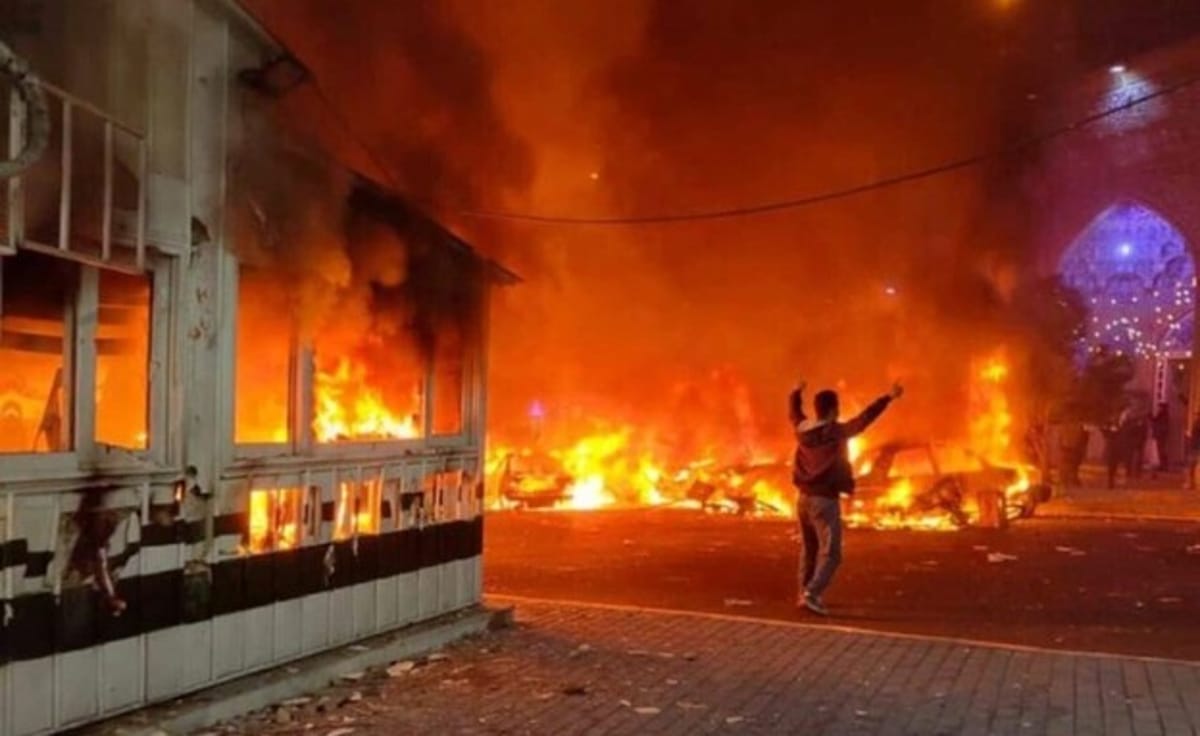
The massive uprisings sweeping through the streets of Iran have empowered those who wish to see the downfall of the ruling religious leadership, but the movement has also exposed a venomous and ancient divide among exiled opposition groups. Despite a shared hatred for the current regime, the primary factions outside the country remain locked in a bitter struggle for influence that dates back to before the 1979 Islamic Revolution. This internal war has manifested in digital smear campaigns and physical confrontations during street protests in major cities across Europe and North America. The lack of a unified leadership has made it difficult for the international community to form a cohesive policy, with President Donald Trump reportedly questioning the actual strength of the opposition while considering military strikes.
At the center of this fracture are the supporters of Reza Pahlavi, the 65 year old son of the late Shah who lives in the United States. Pahlavi has actively encouraged the protests and stated that he seeks a democratic future for Iran, though he remains vague about his own potential role in a new government. His supporters point to videos from within Iran where protesters chant his name as proof that his popularity is surging. They argue that as the son of the former leader who oversaw Iran's modernization, he is the only figure capable of uniting the nation’s various ethnic and social classes. However, some diplomats suggest that the use of his name by protesters may simply be due to a lack of other recognizable alternatives rather than a genuine desire for a return to the monarchy.
Opposing the monarchists is the People's Mujahedin Organization of Iran, commonly known as the MEK. This highly organized group, led by Maryam Rajavi, combines socialist and Islamist ideologies and has a long history of violent struggle. They are deeply loathed by many within Iran because they relocated to Iraq during the 1980s and assisted Saddam Hussein’s forces during the Iran Iraq war. Supporters of the MEK often use the slogan "No monarchy, no Supreme Leader," rejecting both the current religious system and the Pahlavi legacy. While the MEK claims to have a wide network of active cells inside the country, there has been little public evidence of their support during the recent wave of protests.
The reality for many Iranians living under the regime is that these exiled debates often feel outdated and disconnected from their daily struggle. Since the revolution, the population of Iran has doubled, becoming more urbanized, educated, and focused on internal reform rather than the desires of the diaspora. Sanam Vakil, a regional expert at Chatham House, noted that "the problem is that a comprehensive framework has never been built that can unite Iranians from all layers of society." As the violence continues to claim lives in Tehran and beyond, the inability of the opposition to form a democratic coalition remains a significant obstacle to achieving a stable and lasting change in the country.