Israel will establish control over southern Lebanon up to the Litani River as part of a new “defensive buffer zone,” Defense Minister Israel Katz said Tuesday, marking the clearest statement yet of Israel’s territorial ambitions in the current conflict.
Speaking during a meeting with the IDF chief of staff, Katz said Israeli forces would “control the remaining bridges and the security zone up to the Litani,” a river roughly 30 kilometers north of the Israeli border.
The move would amount to Israeli control over a significant portion of southern Lebanon, an area long dominated by Hezbollah and central to ongoing fighting along the northern front.
Katz framed the plan as a necessary security measure aimed at pushing threats away from Israeli communities, particularly in light of continued rocket and drone attacks by Hezbollah.
“There could be no homes or residents in areas of southern Lebanon where there is terror,” he said, describing the effort as the creation of a forward defensive line.
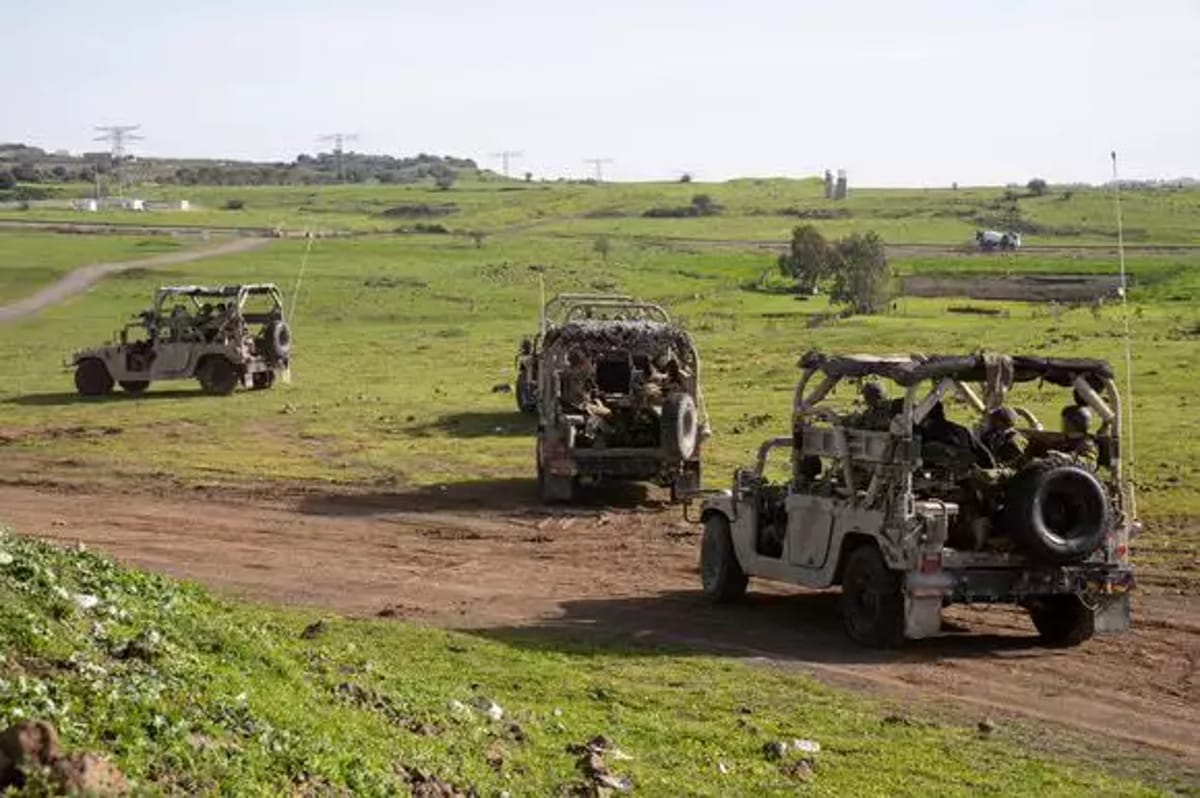
Israeli forces have already begun shaping that reality on the ground. Since mid-March, the military has destroyed multiple bridges over the Litani River and accelerated the demolition of structures in villages near the border, which it says are being used by Hezbollah as operational infrastructure.
The strategy mirrors tactics used in Gaza, with Katz explicitly drawing comparisons to operations in Beit Hanoun and Rafah, where large areas were cleared to create buffer zones.
Hezbollah officials responded by rejecting any Israeli presence south of the Litani, calling it an “existential threat” to Lebanon.
Senior Hezbollah lawmaker Hassan Fadlallah said the group would fight to prevent Israeli forces from establishing control in the area.
“We have no choice but to confront this aggression and cling to the land,” he said.
The Israeli military has so far avoided formally confirming the broader territorial plan, maintaining that its ground operations consist of limited and targeted raids near the border.
However, Katz’s remarks suggest a shift toward a more expansive and potentially long-term posture.
The proposal has also found support within Israel’s political leadership. Finance Minister Bezalel Smotrich said earlier this week that Israel should formally annex southern Lebanon up to the Litani River, arguing that the war must result in a fundamental change to Israel’s borders.
“The new Israeli border must be the Litani,” Smotrich said in a radio interview.
On the ground, the consequences of the fighting continue to mount. Lebanese authorities say Israeli strikes have killed more than 1,000 people and displaced over one million residents, though official figures do not distinguish between civilians and Hezbollah operatives.
Israeli officials maintain that their campaign targets Hezbollah infrastructure embedded within civilian areas.
The escalation comes as Lebanon’s government faces increasing internal pressure, including a growing rupture with Iran over Hezbollah’s role in the war. Earlier Tuesday, Beirut expelled Iran’s ambassador, signaling frustration with Tehran’s influence.
The broader strategic picture remains fluid. While US President Donald Trump has suggested that diplomatic talks with Iran could lead to a resolution, it remains unclear whether any such agreement would include the Lebanese front.
For now, Israel appears to be preparing for a new reality along its northern border, one defined less by temporary incursions and more by sustained control.