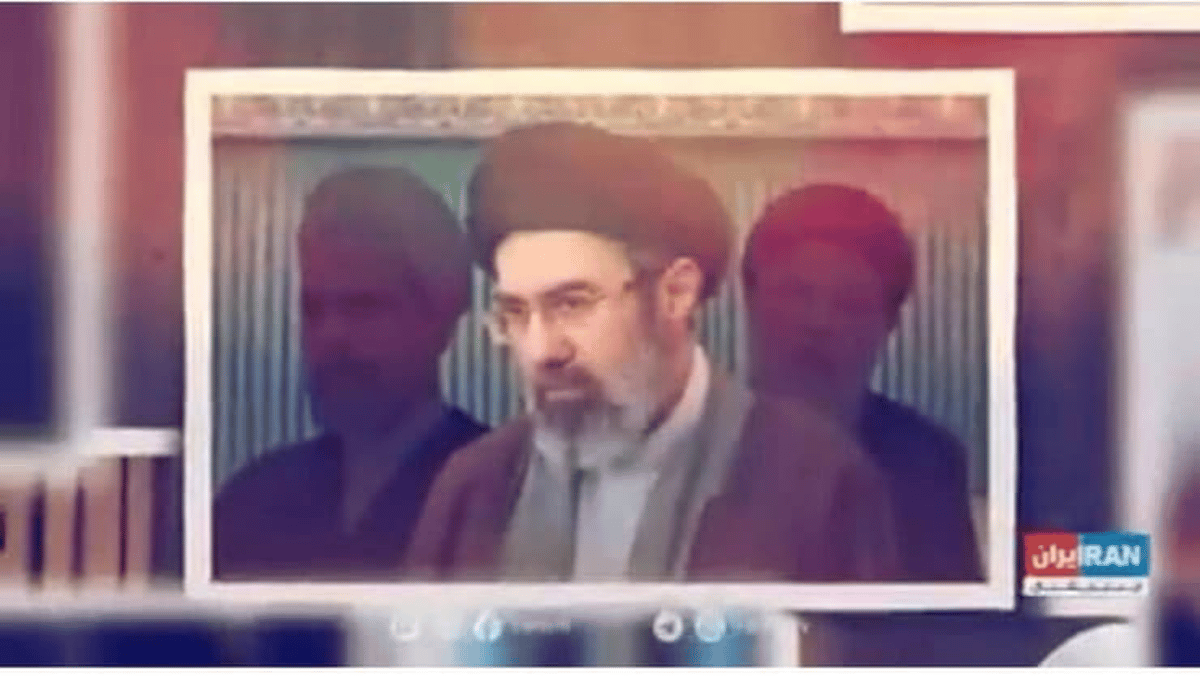
In the wake of the elimination of Ali Khamenei, the Iranian political landscape is shifting toward a hereditary succession that many experts once thought impossible. Mojtaba Khamenei, the 56 year old second son of the late leader, has emerged as the frontrunner to take the mantle of Supreme Leader. Despite spending much of his life operating behind the scenes and avoiding the public eye, Mojtaba has long been the primary link between his father’s office and the powerful Islamic Revolutionary Guard Corps (IRGC). While the Assembly of Experts reportedly hesitated to make a public announcement immediately for fear of making him an instant target for American and Israeli strikes, reports from opposition outlets like Iran International suggest the decision has already been finalized. This transition marks a historic departure from the regime's founding principles, which overthrew a monarchy only to potentially establish a new clerical dynasty.
The Power Behind the Throne
Mojtaba Khamenei was born in Mashhad and received his high level religious education in the holy city of Qom. Although he recently attained the rank of Ayatollah, he is not widely recognized as a major religious authority. Instead, his power stems from his absolute proximity to the late Supreme Leader and his control over the regime's vast financial and security apparatus. For years, Mojtaba served as the gatekeeper to his father, managing a financial empire estimated to be worth over $100 billion. His influence was so significant that in 2019, the United States imposed sanctions on him for his role in advancing the regime's internal and external oppression. U.S. officials noted that he worked hand in hand with the commanders of the Quds Force and the Basij to stabilize the regime while destabilizing the broader region.
A Legacy of Brutality
The rise of Mojtaba is inseparable from the rise of the IRGC’s dominance over the Iranian state. He is most remembered by the Iranian public for his role in the 2009 "Green Movement" protests, where he reportedly directed the Basij and Revolutionary Guard units to crush dissent with lethal force. Experts suggest that his appointment is a clear victory for the most radical elements of the regime. Danny Citrinowicz, a senior researcher at the Institute for National Security Studies, explains that Mojtaba is a "problematic model" because he is relatively young, motivated by feelings of revenge, and deeply entwined with the IRGC. His selection is intended to maintain the chain of command and prevent internal fractures during the current war, ensuring that the regime stays on its extremist path.
Future Outlook: Moderate or Radical?
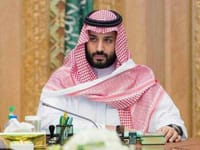
There are conflicting views on what a Mojtaba Khamenei presidency might look like for the world. Some figures close to him, such as politician Abdulrazza Dawari, have suggested to the New York Times that he could surprise the international community by becoming a reformer similar to Saudi Crown Prince Mohammed bin Salman. However, most regional specialists remain skeptical. They argue that his upbringing in the radical corridors of Qom and his lifelong partnership with the Revolutionary Guard suggest he will likely be even more extreme than his father. Vali Nasr of Johns Hopkins University notes that if he is officially confirmed, it proves the "tougher wing" of the regime is now fully in control. Popular or not, Mojtaba’s primary mission will be to unify the regime's ranks and ensure the survival of the Islamic Republic through its most dangerous period in 47 years.