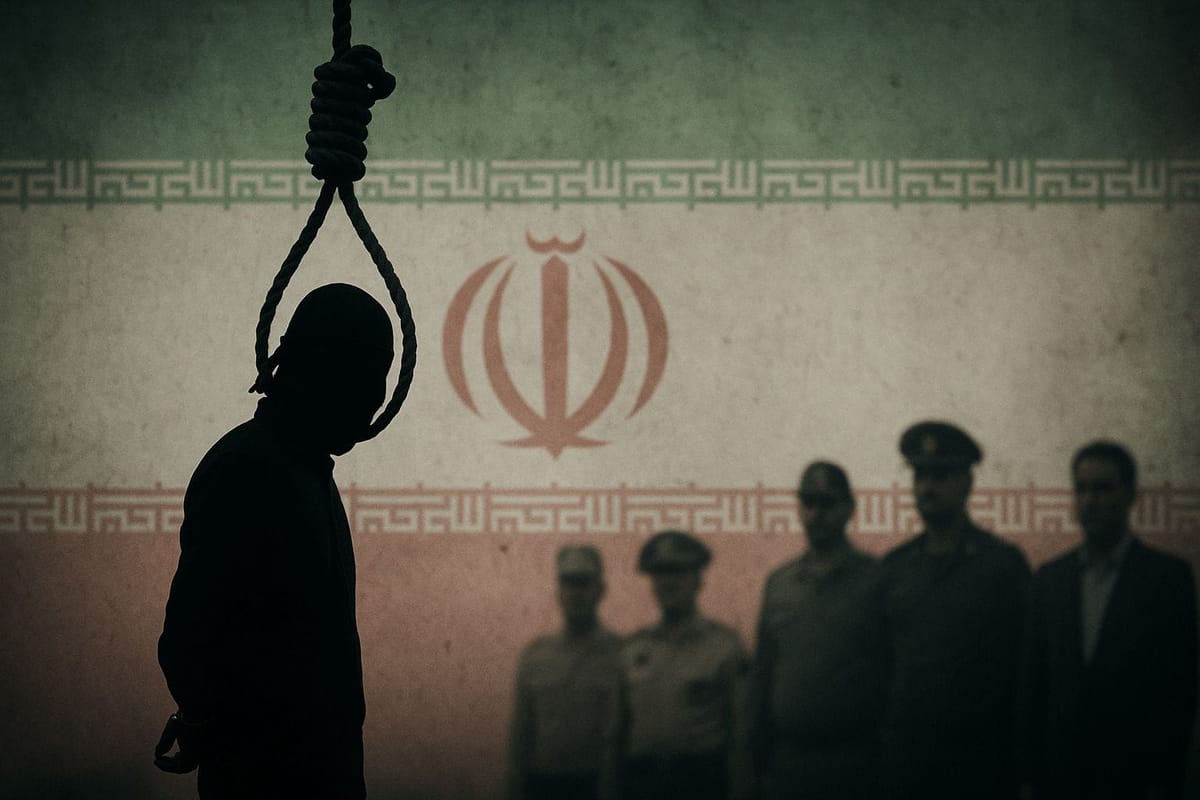
In a move that highlights the ongoing shadow war between the Islamic Republic and Western intelligence agencies, Iran has announced the execution of an alleged spy. The individual, identified as Erfan Shakkur-Zadeh, was put to death on Monday morning after being convicted of collaborating with both the Israeli Mossad and the American CIA. The execution serves as a grim reminder of the high stakes involved for those operating within the secretive world of regional espionage.
According to state media reports, Shakkur-Zadeh was accused of providing sensitive information to foreign handlers that compromised Iranian national security. While the specific nature of the data he supposedly leaked has not been fully disclosed, the regime often uses such public executions to project an image of internal strength and to deter others from cooperating with Western powers. This latest hanging comes at a time of extreme tension as the U.S. continues its maritime blockade of Iranian ports.
Western intelligence agencies have not commented on the identity of the executed man or the validity of the Iranian claims. It is a long standing policy of the Mossad and the CIA to neither confirm nor deny the status of individuals labeled as assets by foreign governments. Human rights organizations have frequently criticized the Iranian judicial system for its lack of transparency and the use of forced confessions in espionage cases, suggesting that many of those executed may not have received a fair trial.
The timing of the execution appears to be a calculated message to Washington and Jerusalem. As President Trump threatens to resume large scale bombing raids and Prime Minister Netanyahu discusses ground operations to seize nuclear material, Tehran is signaling that its domestic security apparatus remains vigilant. The regime is attempting to show that despite the economic pressure and military threats, it still maintains a firm grip on its internal affairs and can effectively neutralize perceived threats from within.
For many observers, the fate of Shakkur-Zadeh is another chapter in the "war of the shadows" that has defined the Middle East for decades. From cyber attacks on nuclear facilities to the assassination of high level commanders in Beirut, the conflict between Iran and its adversaries is fought as much in the dark as it is on the battlefield. The use of the death penalty for alleged spying remains a central tool of the regime’s effort to maintain its ideological and political survival.
As the regional war continues to evolve, the number of individuals accused of espionage within Iran is expected to rise. The regime has intensified its crackdown on any form of dissent or communication with the West, viewing any unauthorized contact as a potential act of treason. For now, the execution of Shakkur-Zadeh stands as a stark warning from the Ayatollah’s government that those caught in the crosshairs of the global intelligence battle will face the ultimate price.