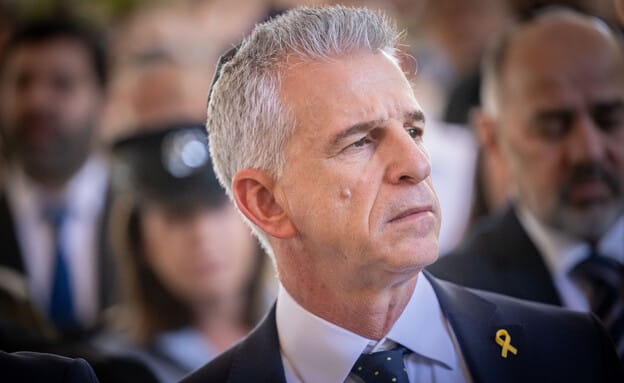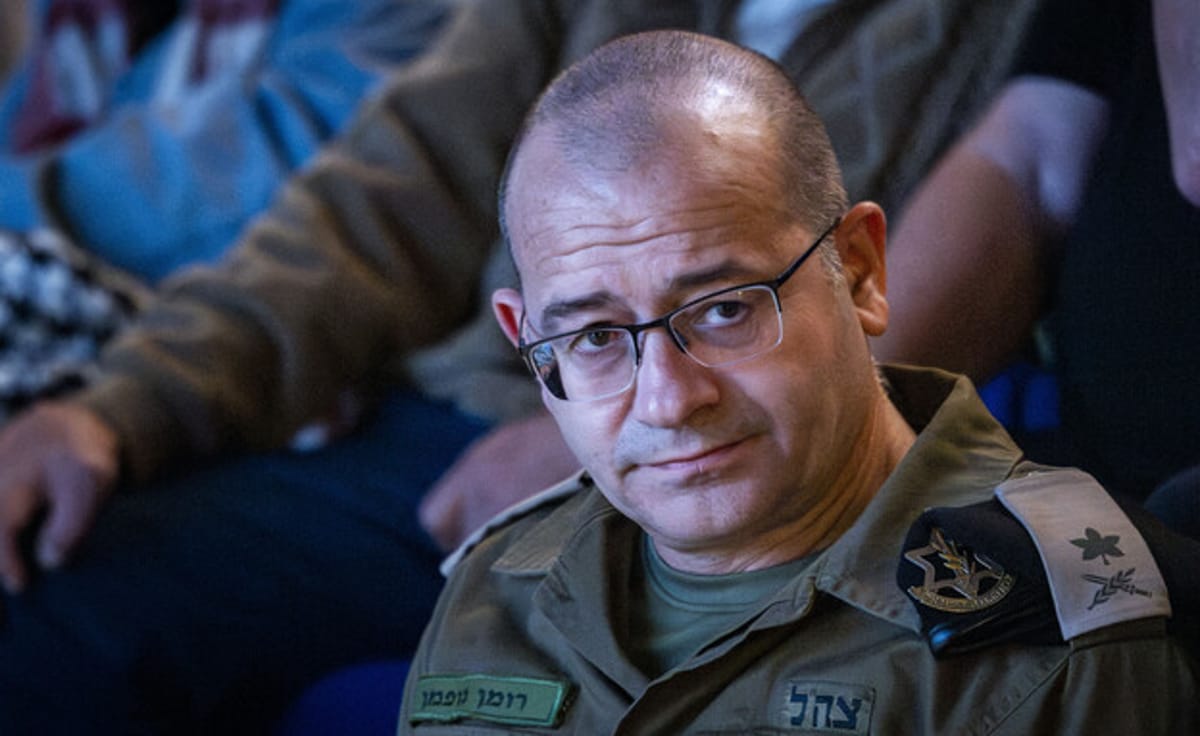
A major internal crisis has hit Israel's top intelligence agency just three weeks before the scheduled appointment of a new director. Attorney General Gali Baharav Miara has petitioned the High Court of Justice to cancel the appointment of Roman Gofman as the next head of the Mossad, arguing that the move is "extremely unreasonable." Central to this legal challenge is a secret letter authored by the current director, David Barnea, which details his professional and moral objections to Gofman’s leadership.
In the confidential document, Barnea reportedly admitted that Gofman possesses the "skills, creativity, and daring" required for high level operations. However, he warned of a "significant problem in terms of integrity and setting self boundaries." Barnea has signaled his willingness to provide further testimony behind closed doors to the High Court judges if required, highlighting the severity of his concerns regarding the man the Prime Minister has chosen to lead the agency.
Barnea’s primary argument is that the Mossad operates outside of standard law, answering only to the Prime Minister without the oversight of a supervising minister or a public committee. Because of this unique status, Barnea contends that the leader of the organization must be beyond reproach. "The head of the organization must be a person who applies self criticism, heeds warning signs, and has clean hands," Barnea wrote, identifying these as the most vital traits for the role.
The letter also touched upon the technical nature of intelligence work, noting that the "activation" of sources is a field that requires strict adherence to rigorous procedures. Barnea suggested that any violation of these rules must have significant consequences. In Gofman’s case, a previous "command remark" on his record regarding the handling of an operative named Uri Almaki is being viewed by some as a disqualifying factor for the top spot in the agency.
The Attorney General’s response to the High Court echoed these concerns, stating that there were "fundamental flaws" in the committee's decision to approve Gofman. She argued that the factual basis used by the majority of the committee was insufficient and that Gofman’s past actions cast a "heavy shadow" on his moral character. For the Attorney General, the Prime Minister’s decision to proceed with the appointment is legally indefensible and must be overturned.
In contrast, Professor Daniel Hershkowitz, the acting Civil Service Commissioner, has defended the appointment despite having access to the same classified materials. Hershkowitz dismissed the Attorney General’s claims as being "full of errors" and insisted that Gofman remains a fit candidate for the position. As the legal battle moves to the High Court, the Mossad remains in a state of leadership uncertainty, caught between the Prime Minister’s choice and the current director’s grave warnings.