In March, the Saudi leadership believed they could leverage American pressure to finally break the Iranian regime and shift the regional balance of power. However, by May, a sobering reality has set in: the war is not staying "over there," but is instead threatening to incinerate the entire Gulf. This realization has led Saudi Arabia to a historic retraction, refusing to allow the U.S. military to use its facilities for expanded operations in the Strait of Hormuz, a move Professor Uzi Rabi describes as a "disillusionment" with the current strategy.
Rabi points out that while Crown Prince Mohammed bin Salman once famously compared Ali Khamenei to the "new Hitler" of the Middle East, he is now prioritizing national survival over total victory. The Saudi refusal to cooperate with "Project Freedom" is not a pivot toward Tehran, but a reaction to the vulnerability of Saudi infrastructure. The recent attacks on the East West pipeline demonstrated that even bypass routes are within Iranian reach, leading to a spike in insurance costs and global energy prices that threaten Riyadh's economic goals.
The shadow of 2019 hangs heavy over the current crisis. Following the devastating drone attacks on Aramco facilities years ago, Saudi Arabia expected a ferocious American response that never arrived. This historical "abandonment" has made bin Salman wary of entering a mission where the Gulf states are exposed to Iranian fire while Washington retains the sole authority to decide when and how to retaliate. For Riyadh, "Project Freedom" looks like a trap where they pay the price for American escalation.
Furthermore, the Saudi "Vision 2030" plan relies on regional stability to attract the foreign investment and tourism necessary for its success. Massive city projects, financial centers, and high tech corridors cannot grow in an environment where missiles are frequently intercepted over sovereign territory. Every day the Strait of Hormuz remains a combat zone, bin Salman’s dream for the future of the kingdom is delayed, creating an urgent need for the war to conclude, even if it means a less than perfect deal.
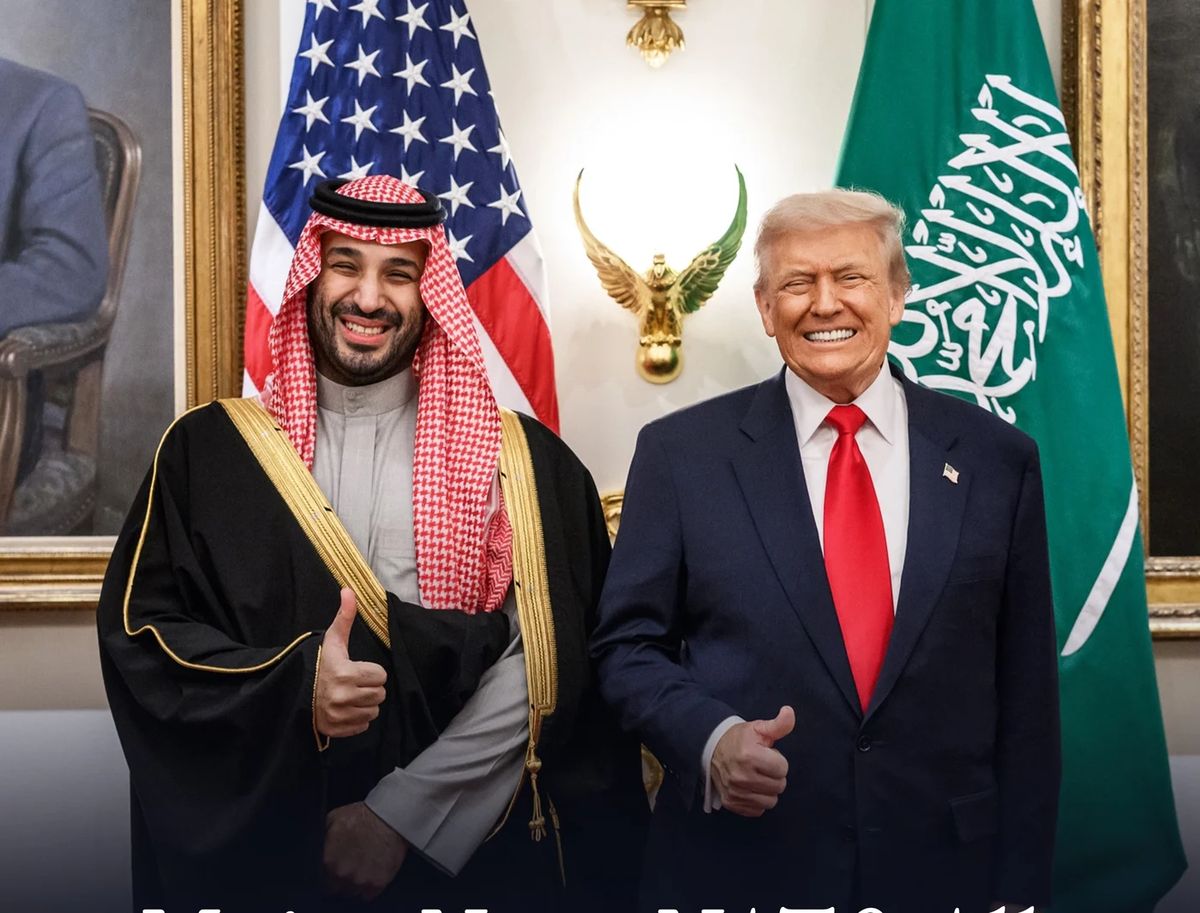
This gap between Washington and Riyadh highlights a fundamental difference in interests. While the U.S. manages the war according to its own election cycles and domestic markets, Saudi Arabia faces an existential threat to its entire economic model. The refusal to grant base access is a clear message to President Trump: if the U.S. wants a deeper military partnership, it must provide an ironclad defense umbrella and include the Gulf partners in every strategic decision.
Saudi officials have even characterized the current American strategy as an "absurd war," arguing that unless the regime is toppled entirely, the pressure will only force Iran to seek a nuclear deterrent in secret. Riyadh expects that Trump may eventually cool down his rhetoric until after the World Cup, possibly resuming the war with new intensity in August. Until then, Saudi Arabia remains committed to a policy of distance, refusing to be the frontline for a conflict they believe lacks a definitive endgame.