In a rare move that combines military history with Hollywood nostalgia, the U.S. Senate has approved the "Maverick Law," a bill designed to return the iconic F-14 Tomcat fighter jet to the skies. Named after the character played by Tom Cruise in the "Top Gun" film series, the law seeks to preserve the naval aviation heritage of the jet that defined an entire era of American air power. The bill is now heading to the House of Representatives, where it is expected to be signed into law by President Trump.
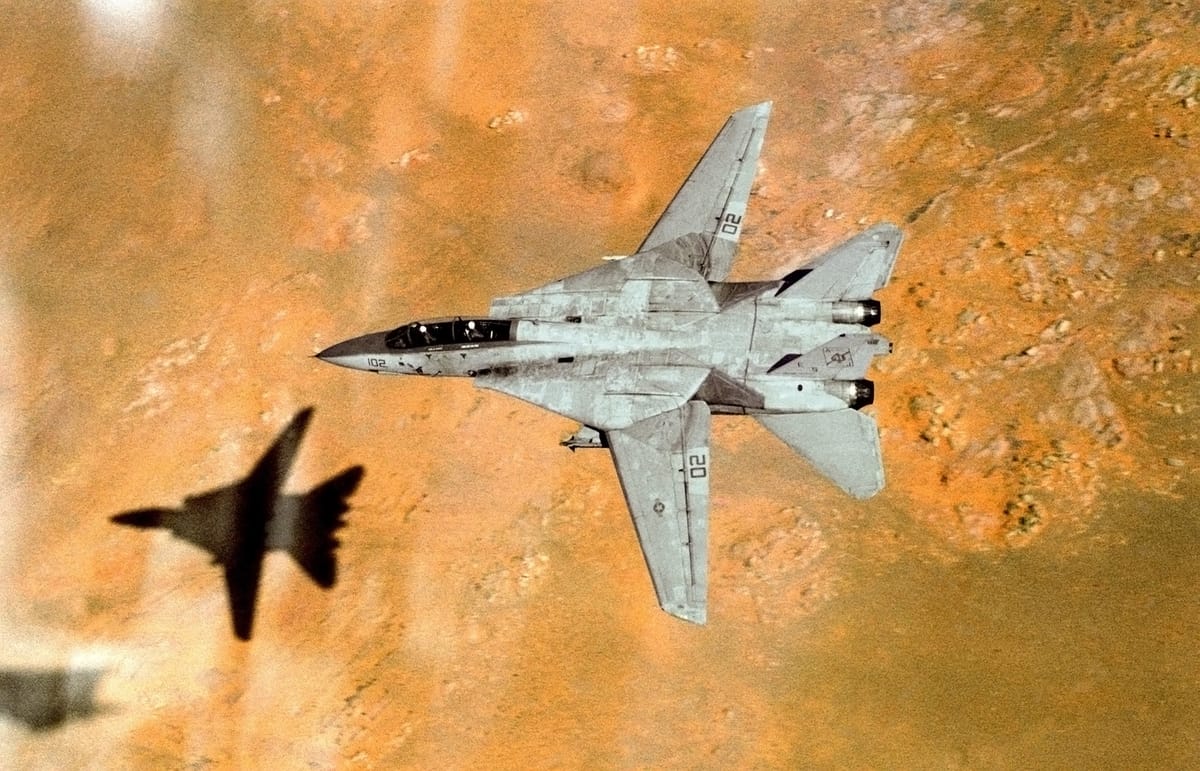
The F-14 Tomcat was the pride of the U.S. Navy for over 30 years, serving from 1972 until its retirement in 2006. It was a technological marvel of its time, featuring variable sweep wings that could change angle mid flight to increase speed and specialized "Phoenix" air to air missiles capable of hitting targets 200 kilometers away. While the aircraft was designed to protect American carrier groups during a potential Third World War, it eventually became a global pop culture icon.
The return of the F-14 also has a surprising connection to recent Israeli strikes in Iran. When the U.S. retired the fleet, most of the planes were shredded and destroyed to ensure that civilian companies could not smuggle spare parts to the Iranian regime, which was the only other nation to operate the jet. Now that the Israeli Air Force has successfully destroyed the remaining Iranian F-14s on the ground during the "Mighty Fury" campaign, the risk of technology theft has evaporated, allowing the U.S. to safely fly the model once again.
The legislation was introduced by Senators Tim Sheehy and Mark Kelly, both former Navy pilots who understand the historical value of the aircraft. The bill authorizes the removal of the last three remaining Tomcats from storage at the Davis Monthan Air Force Base in Arizona. These jets will be transferred to the U.S. Space and Rocket Center Museum in Alabama, with the federal government covering the significant costs of restoring them to flying condition and maintaining their operation.
The law includes very specific restrictions to ensure the jets can never be used for combat again. The aircraft will have no capability to launch munitions or utilize any of the offensive systems they were originally designed with. They are intended strictly for public displays, air shows, and memorial events. The U.S. Navy retains the right to immediately seize the planes if any of these "non combat" conditions are violated by the museum or the flight crews.
Despite the excitement among aviation enthusiasts, returning a Tomcat to the air after more than a decade in the desert will be a massive undertaking. The planes are decades old, and the original Grumman production line closed nearly 40 years ago, making spare parts incredibly difficult to source. Nonetheless, the "Maverick Law" ensures that a new generation will get to see the legendary "butterfly of the skies" in motion once more, preserving a piece of history that was nearly lost to the shredder.