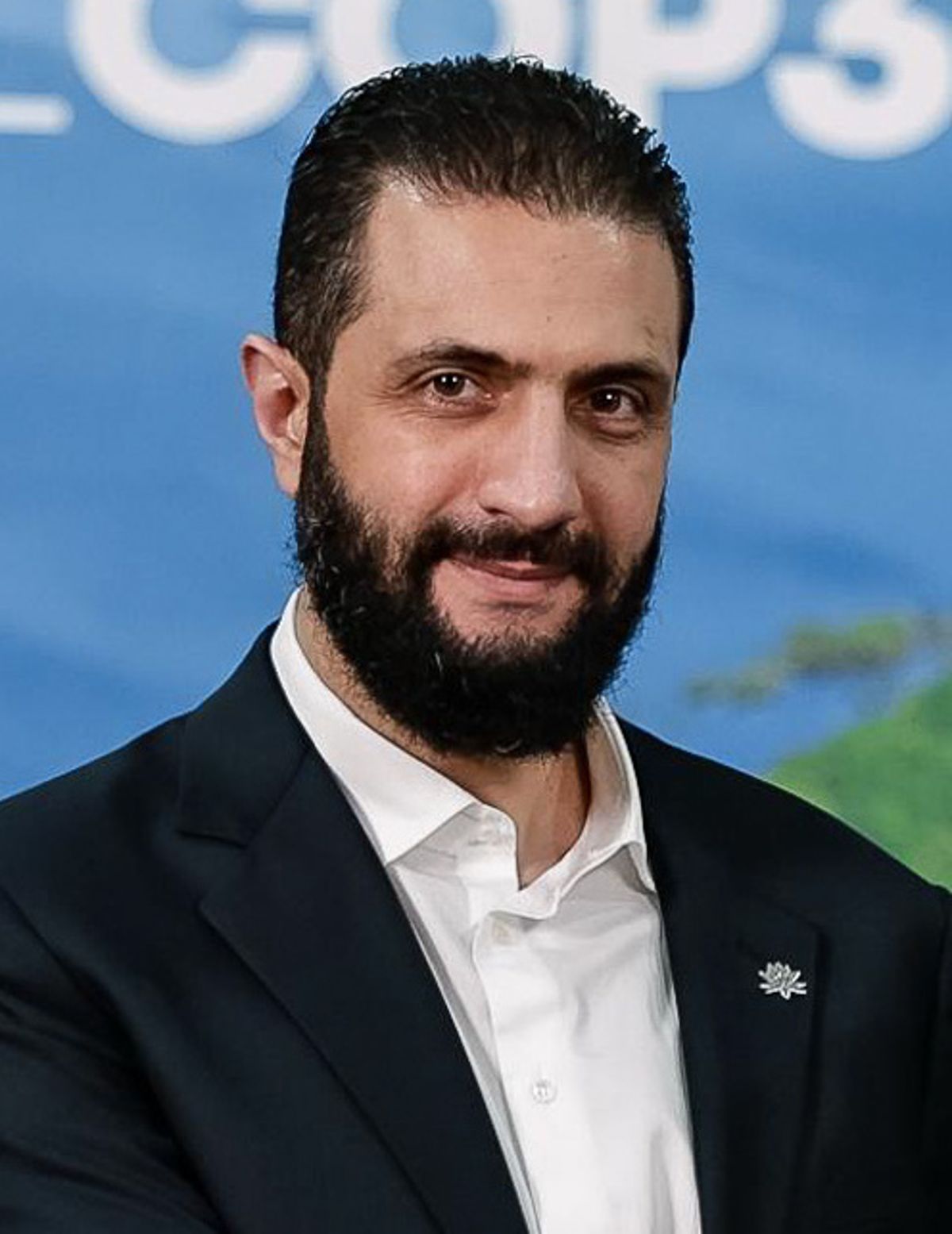
The sweeping diplomatic architecture currently being formulated by the United States to stabilize the Levant has faced a major structural setback following a decisive policy rejection from the newly established leadership in Damascus. According to comprehensive political dispatches broadcast by Kan News on Tuesday evening, Syrian President Ahmad al Shara has flatly dismissed a highly publicized strategic proposal put forward by US President Donald Trump to utilize Syria's reconstituted armed forces to dismantle Hezbollah inside Lebanon. High level intelligence sources closely embedded within the sovereign decision making apparatus in Damascus reveal that the new leadership is prioritizing its fragile diplomatic status among neighboring Arab states, refusing to deploy its forces in any capacity that could be perceived as serving Western or Israeli security interests.
The definitive insider reporting clarifies that the Syrian president harbors profound concerns that any direct military intervention against the Shiite organization would destroy his administration's political standing, making him appear as if he is taking action strictly to protect Israel, an outcome that would erode his carefully managed credibility within regional Arab coalitions. A prominent Syrian political official familiar with the internal governing mindset explicitly stated that there is no feasibility for a Syrian military intervention against Hezbollah in Lebanon without Israel responding to Syria's demands, adding that the absolute foremost of these requirements is a complete and total withdrawal from the geographic sectors occupied by the Israel Defense Forces in southern Syria following the definitive collapse of the Bashar al Assad regime.
This diplomatic cooling comes directly after President Trump publicly asserted that al Shara's Syria would handle Hezbollah instead of Israel, a strategic concept that has been quietly circulated by White House planners over the past several months as a potential alternative to indefinite Israeli border deployments. Al Shara himself has personally moved to temper these international expectations, issuing public statements confirming that Syria will not engage in any foreign military adventures inside Lebanese territory, and that current Syrian defensive efforts are focusing strictly on securing a more hermetic seal along the immediate international border while systematically neutralizing cross border weapon smuggling rings. This isolationist posture was heavily reinforced by regional intelligence partners, with recent diplomatic logs revealing that Turkish political advisers explicitly instructed al Shara to avoid any military entanglement against Hezbollah in Lebanon out of intense fear that such a campaign would ultimately strengthen Israel's geopolitical leverage.
Furthermore, newly uncovered details regarding the high level trilateral communications reveal that Trump's Syrian intervention model faced immediate, unanimous resistance from both primary regional combatants during a secret joint summit convened between Israeli and Lebanese delegates. According to information secured by investigative journalists, the American proposal to utilize al Shara's forces to execute the disarmament of the group was rejected not only by Israeli security planners, but also by formal representatives from Beirut, who remain fiercely opposed to allowing any foreign military force to operate within their sovereign national boundaries. Concurrently, prominent domestic defense officials within Israel have broken silence to launch sharp criticisms against the broader emerging bilateral framework with the United States, warning that the current text fundamentally strengthens Hezbollah by transforming the armed group into a completely legitimate political and military participant on the international stage.