Get our mobile app
Download on the App StoreGet it on Google Play

Accelerated Reconstruction

Iran Rebuilds Site Hit by Israel, US

Satellite images reveal extensive reconstruction at Parchin facility struck in October 2024 and March 2026, with Tehran installing protective cover and reinforced defenses over underground bunker used in Amad weapons program

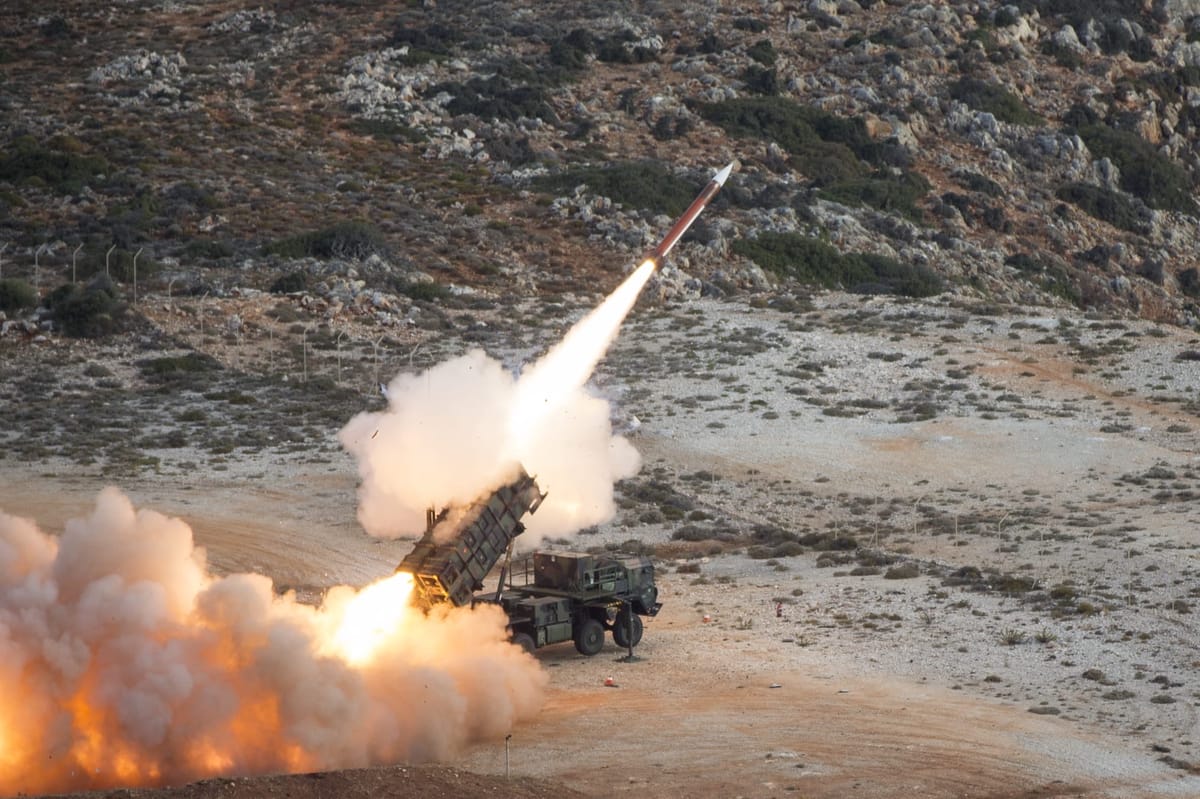
Patriot missile battery

Iran is rapidly advancing reconstruction of the Taleghan 2 facility at the Parchin military complex, which has been struck twice by Israel over the past two years. Satellite imagery published by the Institute for Science and International Security (ISIS) shows extensive construction activity at the site and measures designed to strengthen its defenses against future aerial attacks.

The Parchin facility previously served as a testing site for explosives related to Iran's former nuclear weapons development program. Israel struck the facility in October 2024, and it was hit again in March 2026. Following the most recent strike, an IDF spokesman stated that "the site has been used in recent years to develop advanced explosives and conduct sensitive experiments as part of the Amad Project, the covert program to develop nuclear weapons in the 2000s."


According to satellite imagery from September 13, Iran has erected a cover tarp over the destroyed fortified underground facility, concealing the reconstruction work taking place beneath it from satellite photography or aerial reconnaissance. Around the site, active movement of engineering vehicles is visible, including earth-moving trucks, excavators, concrete pumps and mixers, and cranes.

Repair and reconstruction work began in June. In the initial phase, Iran repaired the penetration holes caused by several bunker-buster bombs that struck the facility and sealed them with concrete. Simultaneously, Iran constructed a new reinforced concrete surface on the right side of the facility. On the left side, construction of an additional surface has already been completed. According to the institute, the reinforced concrete surfaces are expected to provide the facility with additional protection against blast effects in the event of an aerial attack.

The second strike in March 2026 involved the use of multiple bunker-buster bombs that destroyed the internal structure and caused surrounding buildings to collapse. During reconstruction that began in May 2025, the institute identified installation of a cylindrical structure, possibly an explosives containment vessel. Given the precision of the March 2026 strikes, the explosives containment vessel was most likely destroyed.

The central questions that remain open are why Iran continues to reconstruct the facility despite repeated attacks, and what its plans are for it. What is clear is that Iran is committed to rehabilitating the facility—a troubling development given the site's long history of nuclear weapons research and development.

Ready for more?

Join our newsletter to receive updates on new articles and exclusive content.

We respect your privacy and will never share your information.

Enjoyed this article?

Yes
No
Follow Us:

Unmissable content


Loading comments...

Also of Interest