The United Arab Emirates has issued a sharp diplomatic rebuke to the Iranian regime's claims of sovereignty over the Strait of Hormuz. Sultan Al-Jaber, the UAE’s Minister of Industry and Advanced Technology, stated on Sunday that the waterway has never been under Iranian control in a way that would allow them to legally close or restrict international shipping. Al-Jaber emphasized that any attempt by Tehran to interfere with the flow of trade through the strait is not just a regional war but a direct attack on the global economy. By framing the issue as a threat to "global energy, food, and health security," the UAE is positioning itself as a firm opponent of Iran’s attempt to use the waterway as a tool for political extortion.
Protecting the Global Economic Artery
The UAE’s stance highlights the growing divide between the Gulf monarchies and the Islamic Republic over the management of regional waters. Al-Jaber’s comments suggest that the Emirates view the "Hormuz Tax" and the Iranian blockade as illegal acts that threaten the stability of every nation. "The Strait of Hormuz was never under Iran's control so that it could close it or limit navigation through it," he clarified, rejecting the narrative that the regime has the right to dictate who passes through the maritime corridor. The UAE minister argued that the strait serves as a vital artery for the entire world, and its disruption would have catastrophic consequences far beyond the borders of the Middle East.
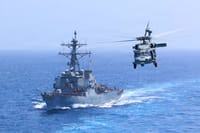
This official statement from Abu Dhabi adds a layer of regional legitimacy to the American plan for a naval blockade. If the Gulf states refuse to recognize Iranian authority over the strait, the legal and political ground for a US led maritime intervention becomes much stronger. The UAE’s insistence on "international passage" suggests that they may be willing to cooperate with Western naval forces to ensure the waterway remains open. As the war of words intensifies, the UAE is making it clear that it will not stand by while Tehran attempts to monopolize one of the most critical trade routes on the planet, regardless of the threats coming from the Revolutionary Guard.