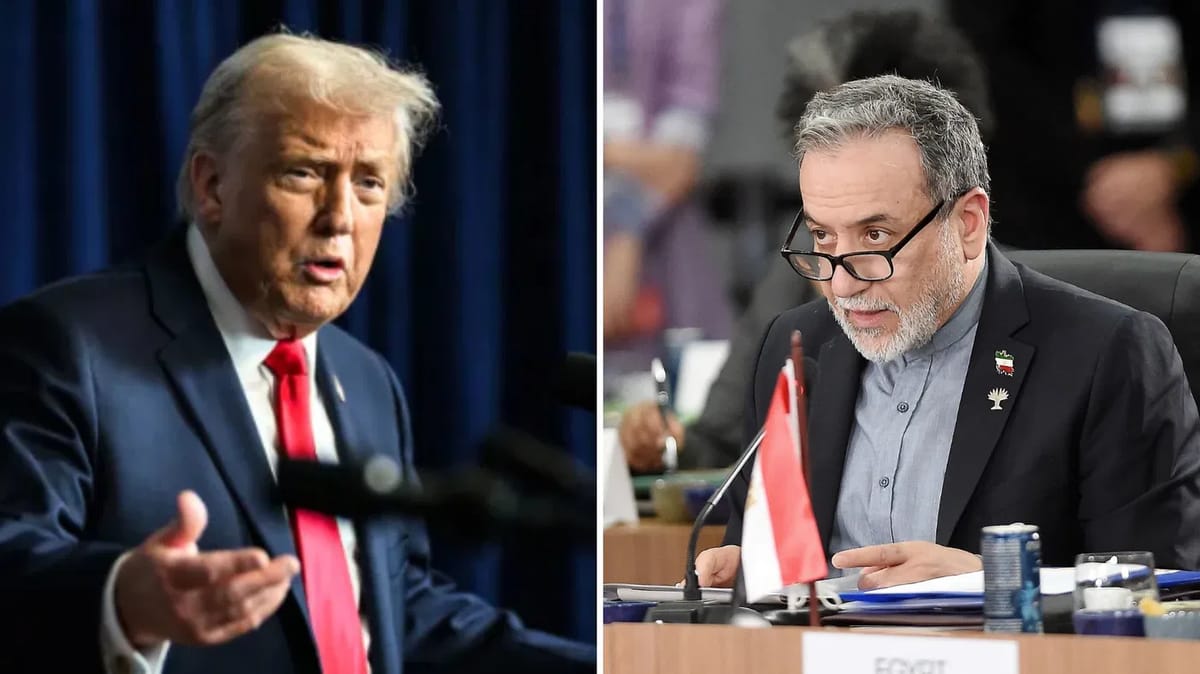
A senior Israeli official has voiced significant doubt regarding the feasibility of the current negotiations between the United States and Iran, suggesting that the ideological and strategic gap between the two sides may be unbridgeable. As President Donald Trump continues to project confidence in a looming deal, Jerusalem is warning that the Iranian regime has shifted its entire focus toward "pure survival." According to the official, the Islamic Republic has moved through three distinct stages during this war: beginning with the goal of destroying Israel, moving to a stage of persistence, and finally arriving at a state where they are fighting simply to exist as a governing entity.
The Survival Trap
The primary concern in Jerusalem is that the "minimum" the Iranians need to stay in power will not meet the "maximum" requirements set by the Trump administration. While the White House is pushing for the total removal of nuclear material and the dismantling of missile programs, the Iranian leadership views these assets as their final insurance policies. The Israeli official noted that while the regime is under immense pressure, they remain masters of negotiation and may be attempting to lead the U.S. into a "minefield" of endless talks that are not conducted under the pressure of active fire.
This skepticism highlights a growing divergence in how Washington and Jerusalem view the current pause in the ultimatum. For President Trump, the pause is a tool of leverage to force a quick diplomatic victory that could stabilize global energy markets. For Israel, however, any move that transitions the war from the battlefield to a quiet negotiating table gives the Iranian regime the "breathing room" it needs to regroup. Israeli intelligence warns that if the U.S. accepts a deal that is not "airtight and rigid," the regime will simply wait out the current administration while maintaining its core capabilities underground. As the five day window continues, the question remains whether Trump’s desire for a historic diplomatic achievement will lead to a compromise that Israel considers a long term security threat.