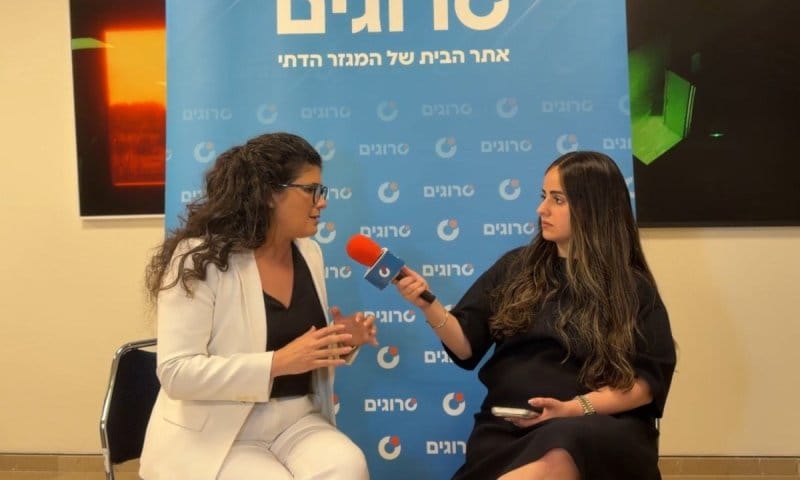
As the Knesset opens its summer session today in Jerusalem, MK Sharren Haskel (New Hope-The United Right) spoke to the Srugim website studio at the Knesset regarding the mounting tensions between the legislative branch and the judicial leadership.
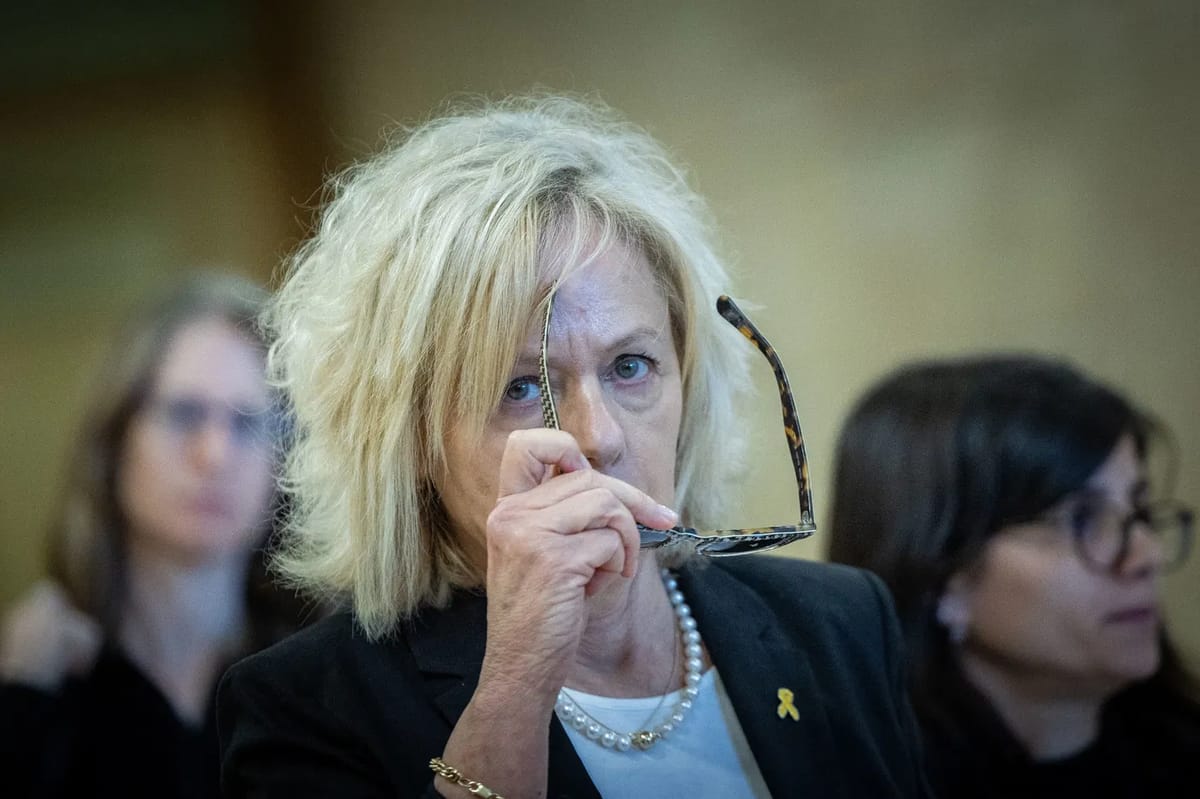
Haskel directed sharp criticism toward the Attorney General, Gali Baharav-Miara, stating that she has "crossed red lines" in her conduct toward the government and its ministers. According to Haskel, the current legal framework allows for an overreach that stifles the ability of elected officials to implement the policies for which they were chosen.
The Fight for Governance
Haskel emphasized that the struggle for governance is the central theme of the current session. "The Attorney General has turned into an opposition within the government," Haskel claimed. "Instead of being a legal advisor who helps the government implement its policy within the law, she has become a barrier that consistently crosses red lines by intervening in purely political and administrative decisions."
MK Haskel noted that the tension is not personal but structural, arguing that the balance of power between the branches of government has been severely undermined. She expressed that the public expects the Knesset to take action during this session to restore the authority of elected representatives.
Summer Session Challenges
The opening of the summer session comes at a sensitive time, with the coalition and opposition facing off over several critical issues. However, Haskel remains focused on the legal reform and the conduct of the Attorney General’s office, which she believes is the root of the current political instability.
"We cannot have a situation where the Attorney General dictates policy to the Prime Minister and ministers," Haskel concluded. "This is a fundamental flaw in our democracy that must be addressed during this summer session of the Isreli knesset.