Heated Exchanges: "It’s Not Rocket Science"
The Police Accusation: Dan District Commander, Chief Superintendent Elad Klein, slammed the military’s lack of transparency in an interview with *Reshet Bet*. "It would have been appropriate and correct to update the police in advance," Klein stated, noting that lack of coordination prevented a proactive security response that could have protected the soldiers.
The IDF Defense: IDF Spokesperson Brig. Gen. Effie Defrin countered that the soldiers were performing a standard home visit and were not conducting a general recruitment drive.
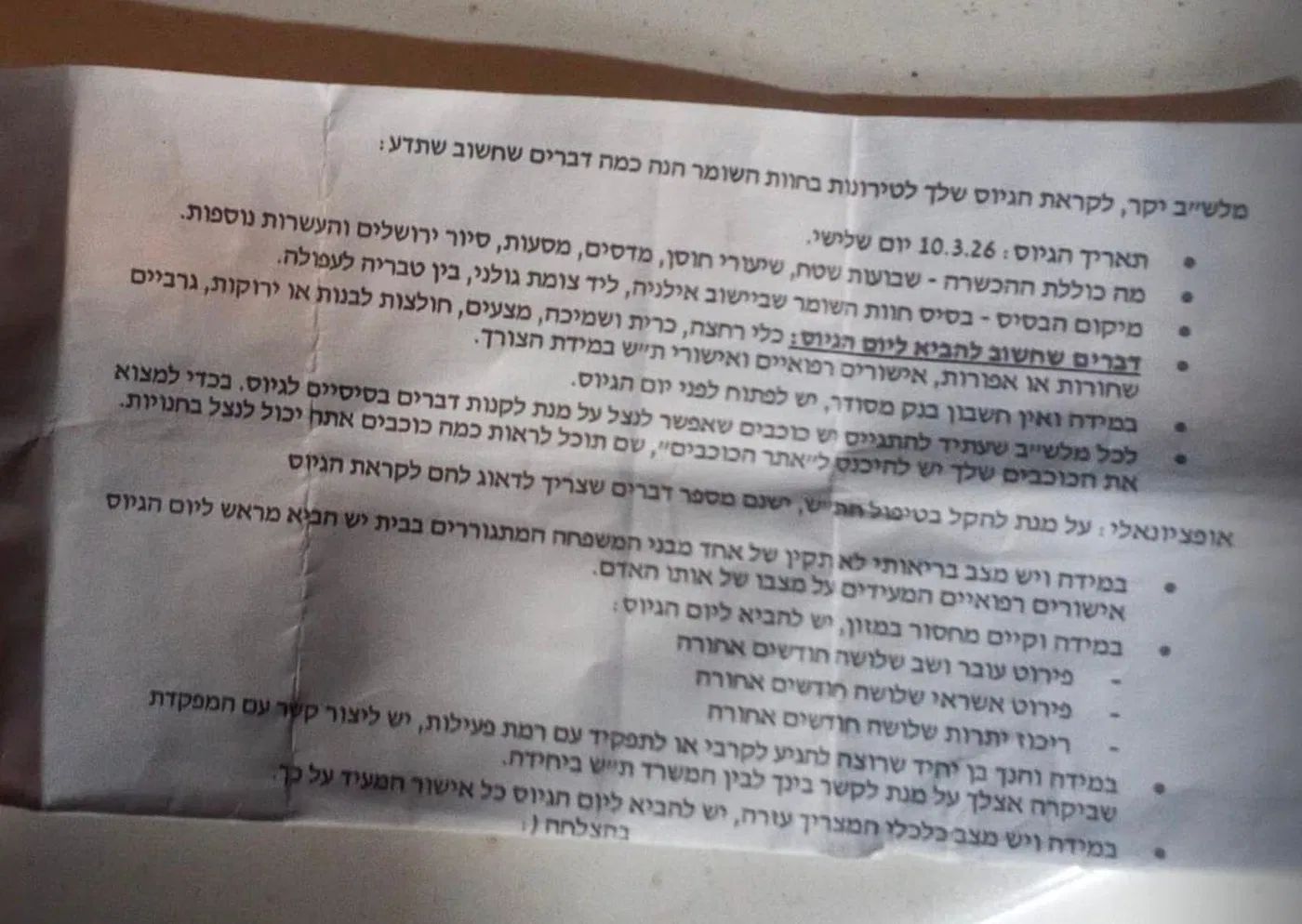
The Police Rebuttal: A senior police source told Kikar HaShabbat: "We aren't against home visits, but when you enter Bnei Brak with female soldiers in uniform carrying recruitment flyers, you have to coordinate. It’s not rocket science."
A "Tactical Failure" in a Sensitive Climate
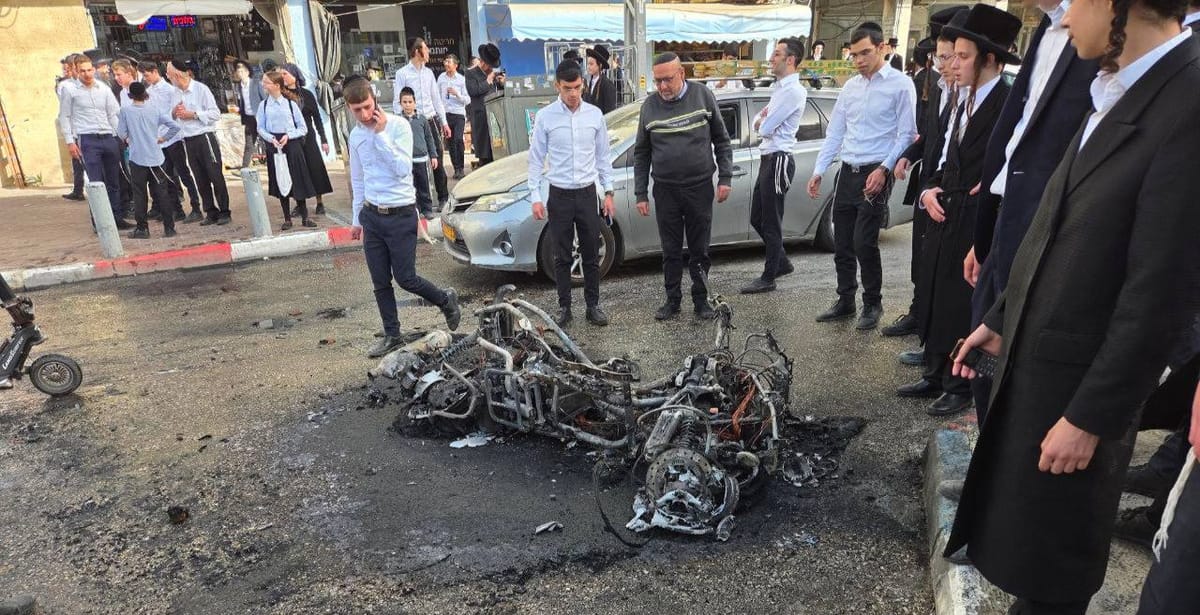
Bnei Brak municipality officials have labeled the uncoordinated entry of uniformed female soldiers into the heart of extremist neighborhoods as "gross irresponsibility."
While the political echelon has condemned the violence against the soldiers, the internal blame game highlights a deep rift in operational strategy. The police maintain that entering such high-friction zones without a security detail is a life-threatening oversight, while the IDF insists on treating these visits as "routine business."
The IDF calls it "routine," the police call it "irresponsible," and the flyers call it "enlistment." But in the narrow streets of Bnei Brak, these papers acted as tinder for a fire that nearly cost two soldiers their lives, proving that in 2026, the most dangerous weapon in a sensitive neighborhood is often a lack of communication.