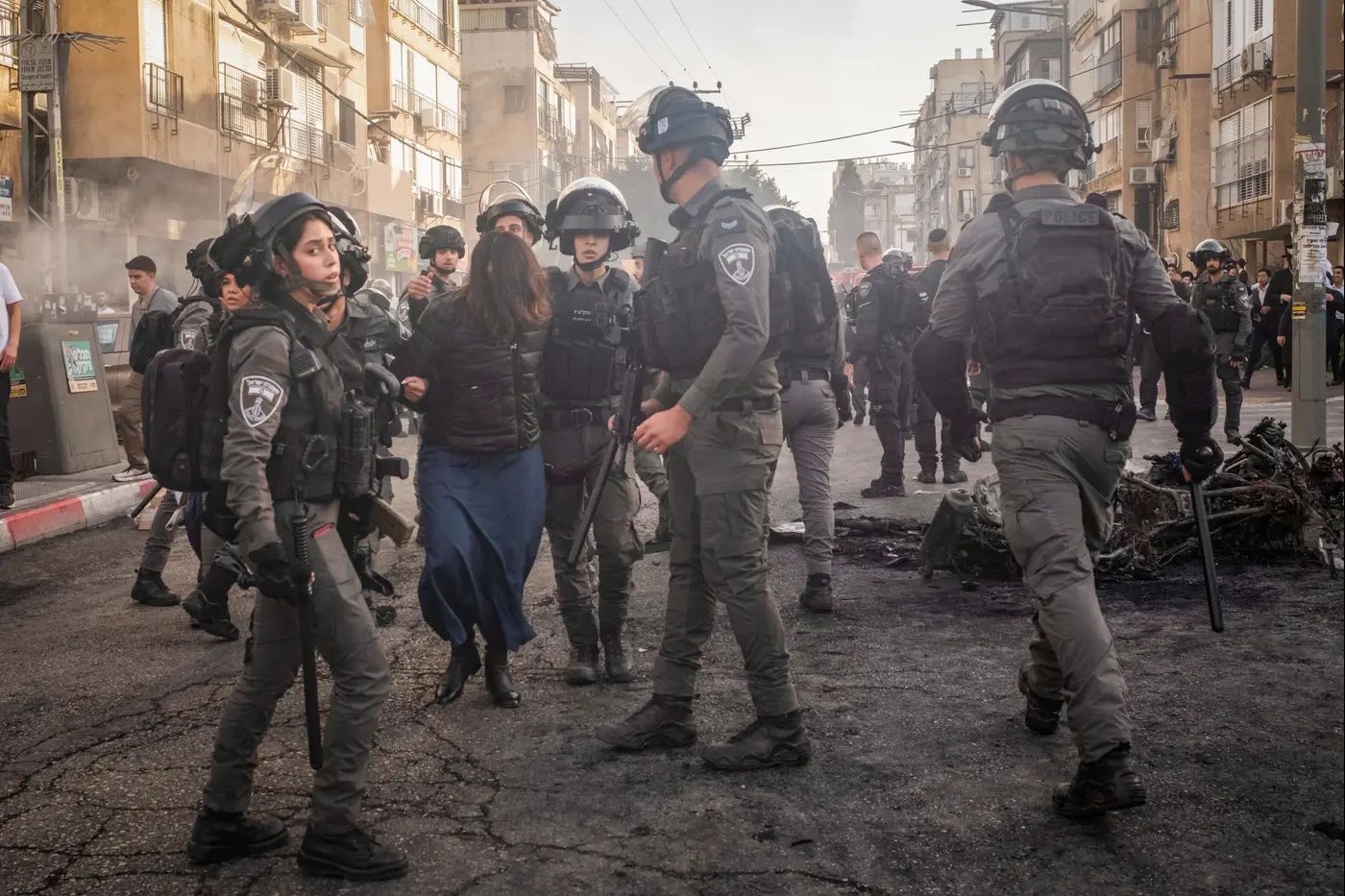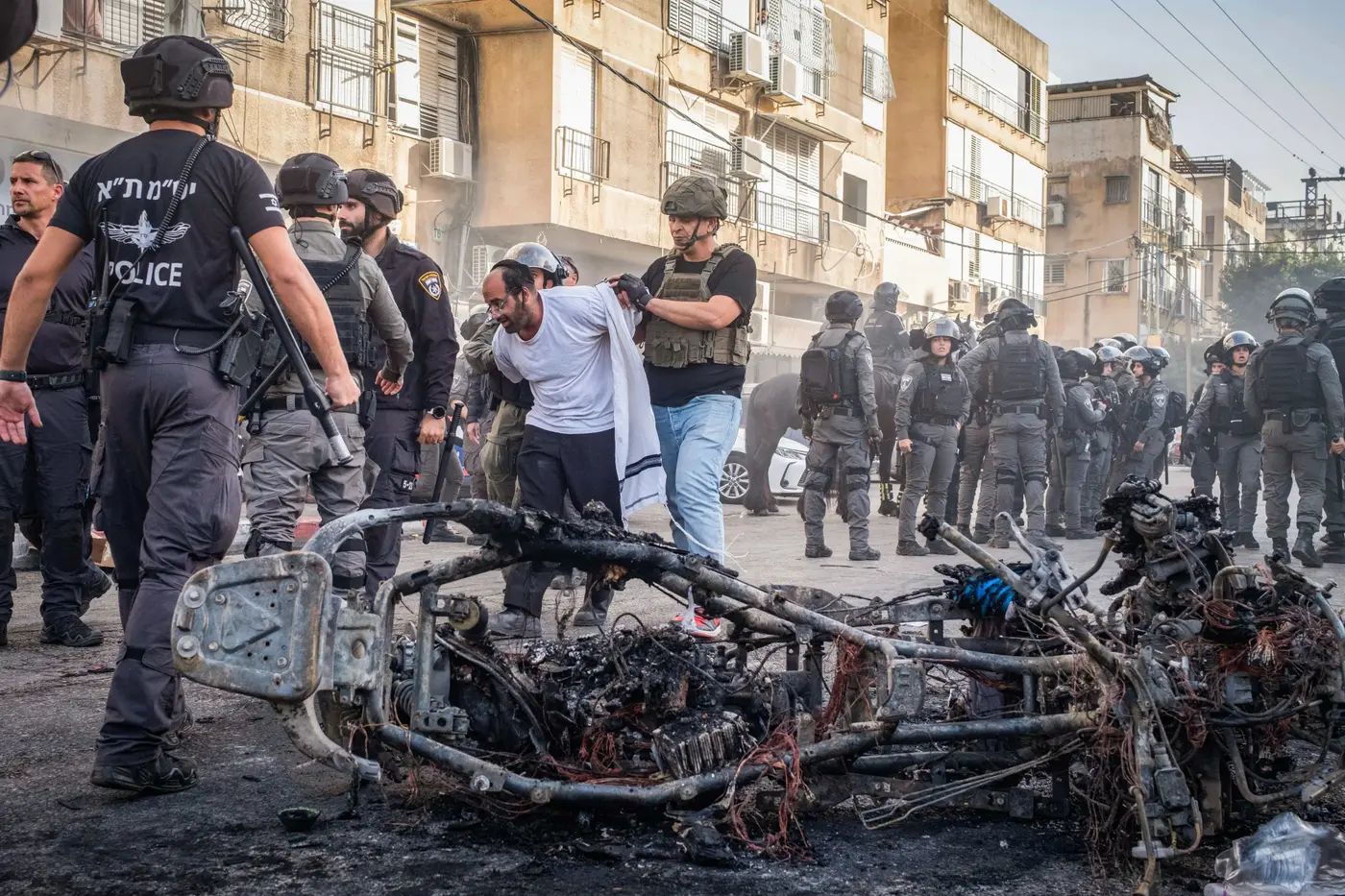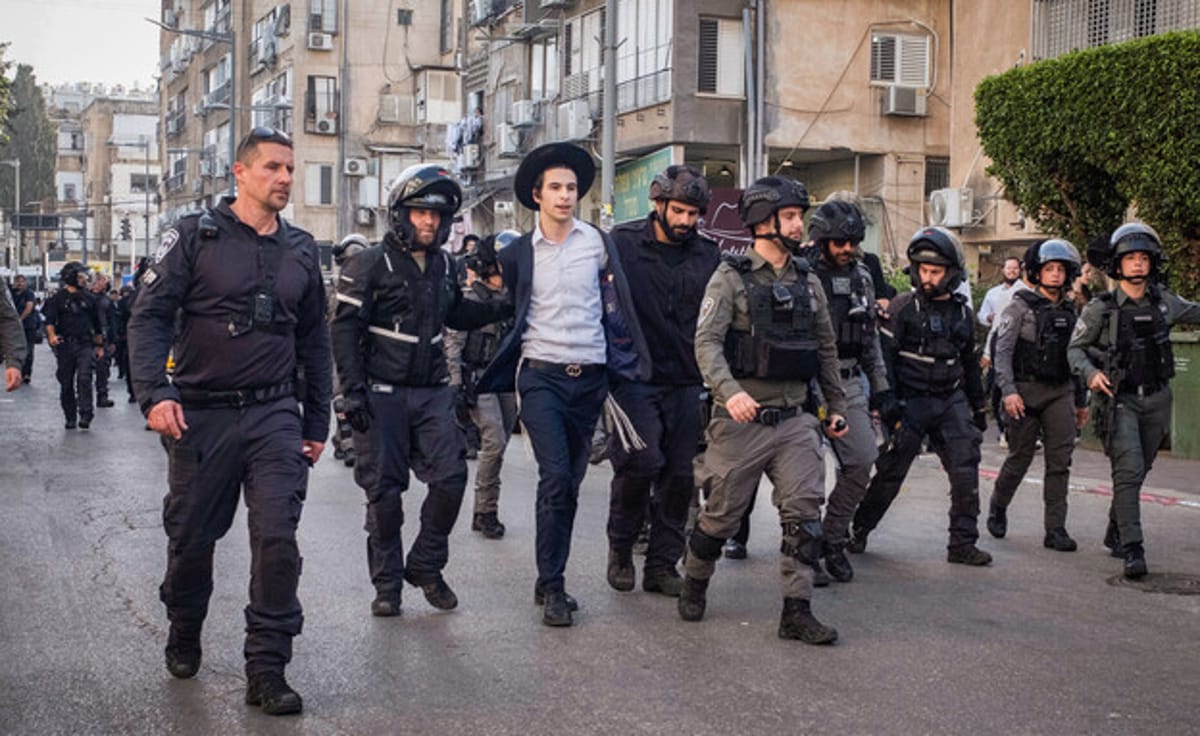
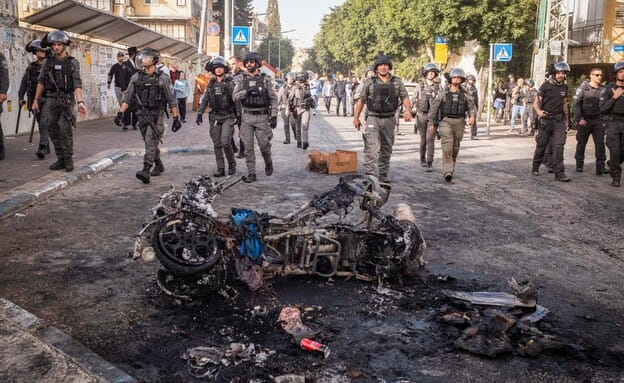
The harrowing rescue of two female IDF soldiers from an extremist mob in Bnei Brak on Sunday has exposed a deep-seated rot in the relationship between the Israeli state and its ultra-Orthodox enclaves. While the immediate event involved a frantic extraction from Hagai Street, the aftermath has ignited a fierce blame game between the Israel Police and the IDF, with senior officers admitting that certain neighborhoods have effectively become "no-go zones" for those in uniform. The violence, which saw a police motorcycle torched and a cruiser overturned, is not an isolated incident but the latest peak in a series of escalations amid Haredi protests. As politicians exchange barbs, the reality on the ground suggests that the "Jerusalem Peleg" and other radical factions have established a state within a state, where the law of the land is secondary to the "war for the soul of the Torah."
The Blame Game: Police vs. Army
In the wake of the chaos, the Israel Police launched a blistering attack on the IDF’s operational judgment. Tel Aviv District Commander Commissioner Haim Sargrof claimed the military failed to coordinate the soldiers' entry, an oversight he argues nearly cost them their lives. "We were surprised," Sargrof stated. "If they had told us, we would not have allowed them to enter the heart of Bnei Brak, the heart of the Jerusalem Peleg, without an escort."
The IDF, however, rejected this framing, explaining that the soldiers were conducting a routine "welfare visit" to a recruit’s home, not a high-risk arrest of a draft dodger. Military officials noted that such visits have been carried out for years without incident. Yet, the soldiers involved told investigators a different story: they reportedly begged their commanders not to send them into the city, fearing for their safety, but were ordered to proceed anyway. "It could have ended differently if they had listened to me at the base," one of the soldiers lamented.
A Growing List of Casualties
The anarchy in Bnei Brak did not happen in a vacuum. The streets of ultra-Orthodox centers have seen a terrifying rise in lethality. Just last month, 14-year-old Yosef Eizental was crushed to death during a mass protest against the draft in Jerusalem. Only two weeks later, another protester was struck by a vehicle and moderately injured during a demonstration against the autopsy of a baby who was killed in an illegal haredi daycare. These incidents, combined with the verbal assault on current Shin Bet chief David Zini, who was previously branded a "murderer" and "Nukhba" by a Bnei Brak mob, illustrate a complete breakdown of authority. In videos from todays incident mobs can be heard shouting 'Nazis' at the Israeli police attempting to restore control amid the chaos.
The police have admitted they are struggling to maintain order, with some officials stating they have no intention of assisting the Military Police in arresting deserters in these areas because such actions inevitably lead to "life-threatening riots." This leaves the IDF with zero enforcement capability against tens of thousands of illegal draft-dodgers, even as the High Court of Justice slams the government for failing to uphold the law.
"This is a War of Religion"
On the streets of Bnei Brak, the sentiment among radicals remains defiant. "The army needs to learn, do not enter our cities," a local resident named Meir told reporters. "We want to show everyone in the country: you want to recruit us? Then the army should stay away." Another resident, Israel, compared the police response to military operations in hostile territory. "They fired flashbangs in a civilian area as if they were in Gaza or Jenin," he claimed, arguing that the mere presence of female soldiers was a "provocation" and an act of "war against the world of the Torah."
While mainstream Haredi politicians like Aryeh Deri and religious leaders like Rabbi Yitzhak Yosef have moved to distance themselves from the "extremist minority," critics point out that years of anti-draft rhetoric from these very leaders paved the way for this violence. Former Prime Minister Naftali Bennett summarized the sentiment of many secular Israelis during a visit to the city: "This is what happens when people sense that draft evasion is winning." As the government continues to stall on a new conscription law, the "peace" in Bnei Brak remains a fragile illusion, held together only by the military's willingness to stay out of sight.