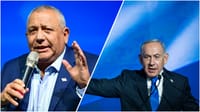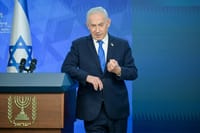
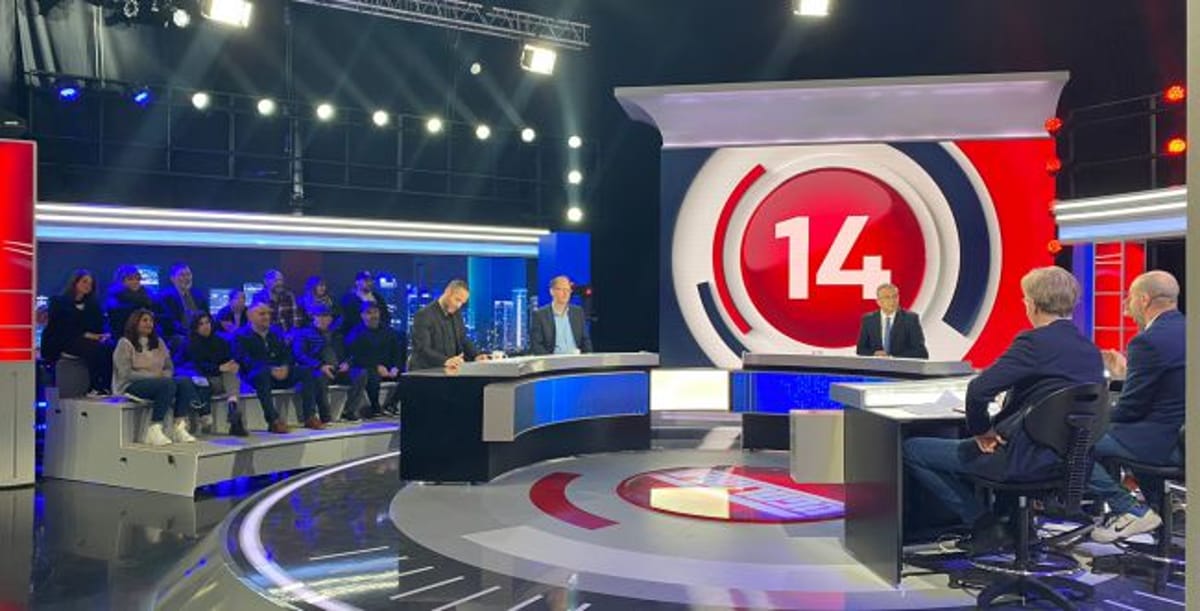
During a live broadcast on the right-wing Channel 14, host Boaz Golan made a comparison between the shared national grief over fallen soldiers and Gadi Eisenkot’s past political stances, sparking immediate condemnation from politicians and social media users alike.
The On-Air Exchange
The controversy began during a segment featuring Channel 14 correspondent Hallel Bitton-Rosen, who was reporting live from the rocket-battered northern border city of Kiryat Shmona.
Describing the toll of continuous Hezbollah missile and drone attacks, Bitton-Rosen noted the tragic loss of 13 local youths and called on the current elected leadership to restore security to the region.
Responding from the studio, Golan remarked: "When you say '13 of our holy children,' there are those who think they are not the children of all of us, politicians like Eisenkot. It's unpleasant to say, he also lost [family], right? But we saw this during the Elor Azaria affair."
Golan’s comment appeared to reference Eisenkot's tenure as IDF Chief of Staff during the highly polarizing 2016 Elor Azaria case, where an IDF soldier was convicted of manslaughter for shooting an incapacitated Palestinian assailant.
Political and Public Backlash
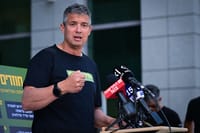
The response from Eisenkot’s political faction, the "Yashar" party, was swift and unsparing. The party released a statement lambasting the host and the network while Eisenkot was touring northern border communities.
"While Eisenkot was touring northern towns that have been repeatedly abandoned by an irresponsible and cowardly government, Boaz Golan, a journalistic low-life, sat in the studio and displayed a new low that is rare even for Channel 14," the statement read. "Even honoring fallen IDF soldiers has become a tool in the shallow political game they play. Channel 14, shame on you."
On social media, viewers from across the political spectrum expressed shock at the remarks, with many calling Golan "insensitive," "embarrassing," and "disgraceful." One user wrote directly to the host: "Have you lost your mind? How can you speak this way to a bereaved father?"
A Microcosm of Israel's Media Divide
The incident highlights the deep political polarization surrounding Channel 14, widely regarded as the media home for supporters of Prime Minister Benjamin Netanyahu. The network frequently finds itself in the crosshairs of mainstream Israeli media and critics who accuse it of serving as a government propaganda mouthpiece.
Conversely, dedicated Channel 14 viewers and right-wing media advocates argue that a blatant double standard exists within Israel's press landscape.
Defenders of the network contend that mainstream channels and newspapers routinely vilify Prime Minister Netanyahu, his wife, and his family without facing public reckoning or widespread condemnation. From their perspective, the swift and fierce backlash to Golan’s on-air comment is proof of selective outrage by media rivals who ignore regular slurs from center-left commentators while weaponizing any slip of the tongue made by a right-wing broadcaster.