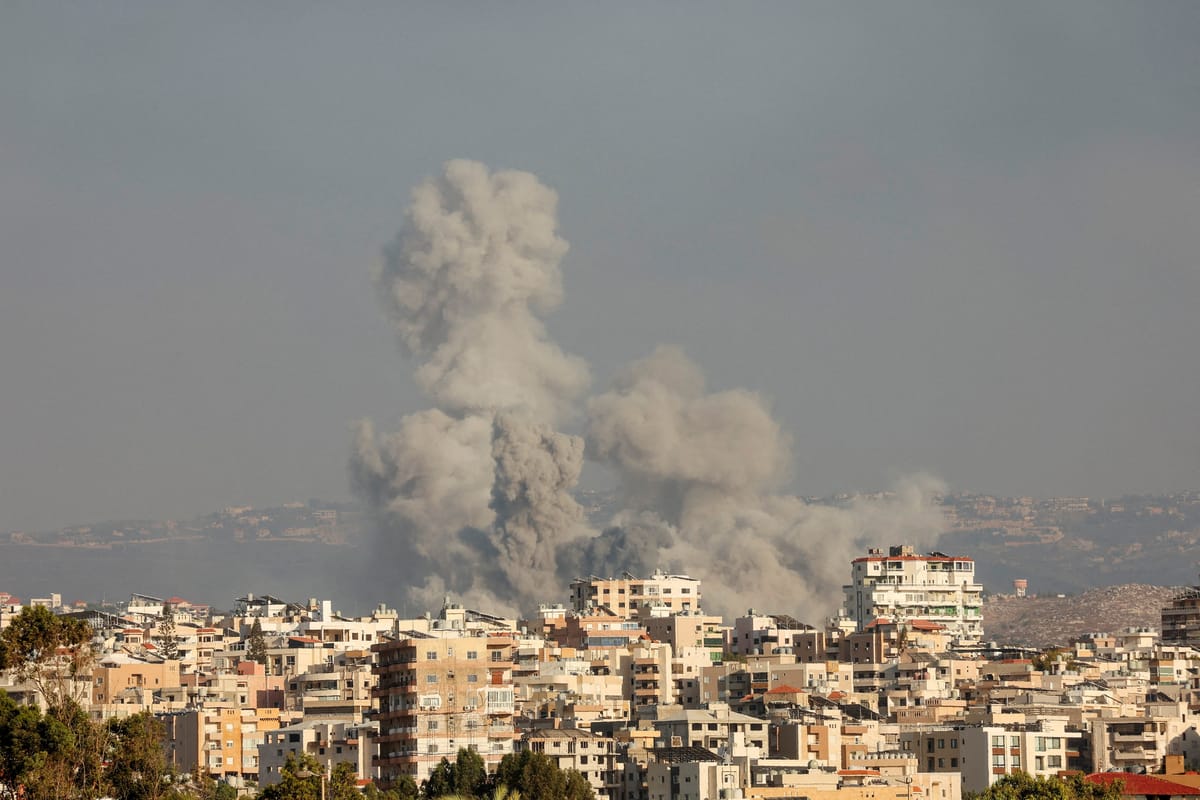
In a bold escalation of the ongoing conflict, Israel confirmed the assassination of Haytham Ali Tabatabai, Hezbollah's de facto chief of staff and a long-sought senior military commander, in a targeted airstrike on Beirut's southern suburbs yesterday. The strike, which marked the first Israeli attack on the Lebanese capital in months, has prompted the Israeli Defense Forces (IDF) to bolster defenses in the north, amid fears of imminent reprisals.
Tabatabai, also known as a key figure in Hezbollah's force build-up and armament efforts, was eliminated in the heart of Beirut's Dahiya neighborhood, a Hezbollah stronghold. Hezbollah swiftly confirmed his death, describing him as one of their most experienced commanders responsible for overseeing military operations and close ties to allied groups like Yemen's Houthis.
The IDF hailed the operation as a significant blow, noting Tabatabai's role in coordinating with the Houthis and his status as Hezbollah's second-most senior figure after Secretary-General Hassan Nasrallah.
In response to the killing, the IDF has ramped up its air-defense systems in northern Israel, significantly elevating alert levels to counter potential rocket barrages aimed at civilian areas.
This move, reported in today's Galatz (IDF Radio) bulletin, reflects heightened tensions in a conflict that has simmered since October 7, 2023, with sporadic exchanges of fire along the Israel-Lebanon border.
IDF intelligence officials have outlined several possible Hezbollah retaliation scenarios, drawing from ongoing assessments:
- Rocket Barrages on Israeli Home Front: Hezbollah could unleash volleys of missiles targeting populated areas, prompting the urgent reinforcement of northern air defenses.
- Infiltration or Raid Attempts: Terrorists might try to cross into Israeli territory or assault IDF forward positions inside Lebanon, exploiting border vulnerabilities.
- Activating Houthis for Attacks: Given Tabatabai's strong connections to the Yemen-based Houthis, the IDF anticipates possible Houthi involvement in strikes against Israel, such as drone or missile assaults from afar.
- No Immediate Response: While less likely, Hezbollah could opt for restraint, biding time amid fragile ceasefire talks mediated by the U.S., Egypt, and Qatar.
Meanwhile, the IDF is gearing up for what it terms a "weakening round" against Hezbollah, involving continued enforcement strikes in Lebanon to disrupt the group's reconstruction and rearmament efforts. This proactive stance aligns with Israel's strategy to degrade Hezbollah's capabilities, even as diplomatic efforts falter.
The assassination of Tabatabai represents one of the most significant blows to Hezbollah in over a year, further straining the already tense regional dynamics involving Iran, Yemen, and Lebanon.