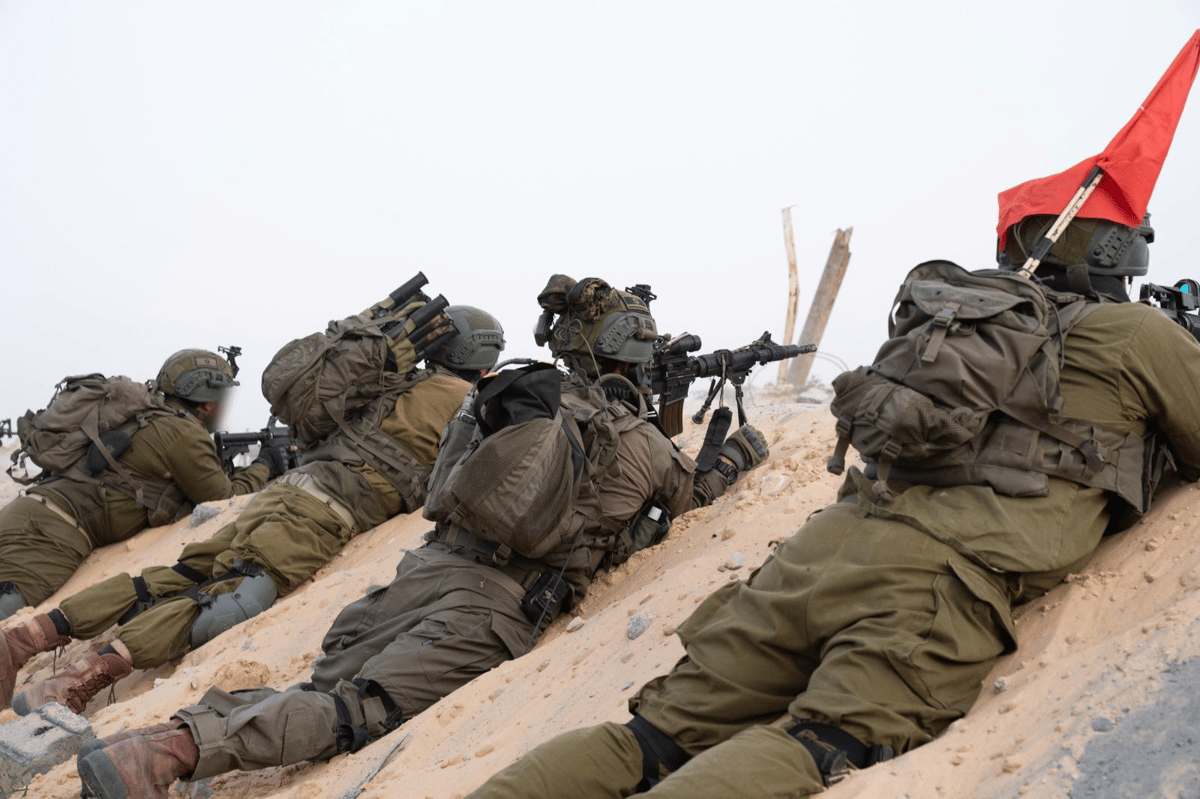
As Israel transitions into Phase B of its agreement with Hamas, the reality on the ground suggests that the terror organization is far from defeated. Despite months of intensive warfare, Hamas still maintains at least 10,000 armed operatives, miles of fortified underground terror bases, and hundreds of millions of shekels in cash. The pressure from Qatar has pushed for a deal that includes a technician government, but military officials fear this is a smokescreen. While the public's attention has been diverted by the escalating war with Iran, Hamas has used every moment of the ceasefire to regroup and rearm. Recent events in Rafah, where six terrorists attacked IDF forces, serve as a grim reminder that the group remains operationally capable and emboldened.
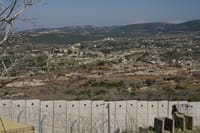
The agreement requires Israel to withdraw toward the border, leaving behind a "Yellow Line" that is anything but secure. IDF units drilling into the earth continue to find massive underground chambers and rocket launchers ready for immediate use. One senior officer described the current situation as a "frozen reality" that serves only the interests of the terrorists. Soldiers on the front lines are often restricted by high level orders to only fire when under immediate threat, even as they watch Hamas operatives moving freely just beyond the yellow concrete barriers. There is deep skepticism regarding the proposed technocrat government, with officers noting that while the faces at the top might change, the thousands of Hamas clerks and gunmen beneath them will remain in power.
Financially, Hamas is stronger than many realized. Intelligence estimates suggest the group successfully hid between 400 million and one billion shekels in cash within its tunnel networks. This massive war chest allowed them to pay salaries to tens of thousands of officials and terrorists throughout the war. Furthermore, the massive influx of supply trucks, which Hamas taxes heavily, provides millions in daily revenue. The demographic reality also favors the group, with 50,000 births in Gaza every year and a school system that has been "painted green" by Hamas ideology over the last 18 years.
Strategically, Hamas has preserved its "Center Camps" in Deir al-Balah and Nuseirat, areas where the IDF did not fully maneuver to protect hostages. These zones have become the new heart of the terror infrastructure, housing rocket factories and anti tank missile workshops in densely populated neighborhoods. There are also heavy suspicions that high tech smuggling via drones from the Sinai and Negev continues. As Phase B begins to introduce construction materials like cement and iron into the strip, there is a legitimate fear that these resources will be diverted to rebuild the very tunnels the IDF worked so hard to destroy. Without a complete dismantling of this military and financial ecosystem, the gains made by Israeli soldiers during the long maneuver remain at risk of being erased.