According to intelligence assessments, Phase One serves Hamas's interests by allowing a massive influx of goods into the Gaza Strip, which strengthens the terrorists' control and governance. Therefore, the terror organization is in no rush to conclude this phase, focusing instead on consolidating its rule, repairing hospitals, and reopening its military and Sharia courts.
The transfer of the body of Master Sgt. Ran Gvili would mark the official end of Phase One and the transition to Phase Two, which, according to the agreement, obligates Hamas to disarm and relinquish its governance. Security officials stressed that Hamas knows precisely where the last fallen soldier is located.
Call for Economic and Military Pressure
Security sources estimate that Israel should consider applying immediate pressure on Hamas to compel the transfer of the body and accelerate the move to Phase Two. This pressure could involve reducing the volume of goods entering Gaza or applying military pressure, potentially through an additional ground maneuver, despite American pressure to proceed to Phase Two even before Gvili's return.
The officials caution that Hamas is enjoying the entry of goods far exceeding the basic consumption needs of Gaza, translating the excess merchandise into cash and reinforcing its financial power. One source insisted that Phase One serves Hamas primarily due to "this astronomical amount of goods" entering the territory.
A separate security source warned that in areas where the IDF is not physically present, Hamas maintains full control, reinforces its capabilities, enforces its rules, and deters opposition groups.
Hamas Restores Governance and Order
According to security officials, Hamas’s reconstruction efforts are happening across multiple fronts simultaneously. The terror organization is actively repairing and rehabilitating Palestinian healthcare facilities, including Shifa Hospital, and is reopening its official judicial bodies, such as the Sharia Court and the Military Court. Officials noted that these actions are helping Hamas restore a sense of normalcy and firming up its control.
Furthermore, Hamas rules the Palestinian street in Gaza with an iron fist, leaving no room for protest or challenge to its security mechanisms. The only exceptions are small, peripheral areas where anti-Hamas Palestinian and Bedouin militias operate, such as Al-Mansi and Halas in the north, Abu Nasira in the center, and Al-Astal and Abu-Shabab in the south. However, these militias are confined to areas under Israeli operational control or close to the "Yellow Line."
The Missing Multinational Force
A key promise of Phase Two, which requires the disarmament of Hamas, is the arrival of a multinational force to assist in the process. However, security sources report that this remains purely conversational. As of now, no country has committed troops to Gaza, and those that have expressed conditional willingness clarified that they would only operate in Israeli-controlled areas where there are no Palestinian residents.
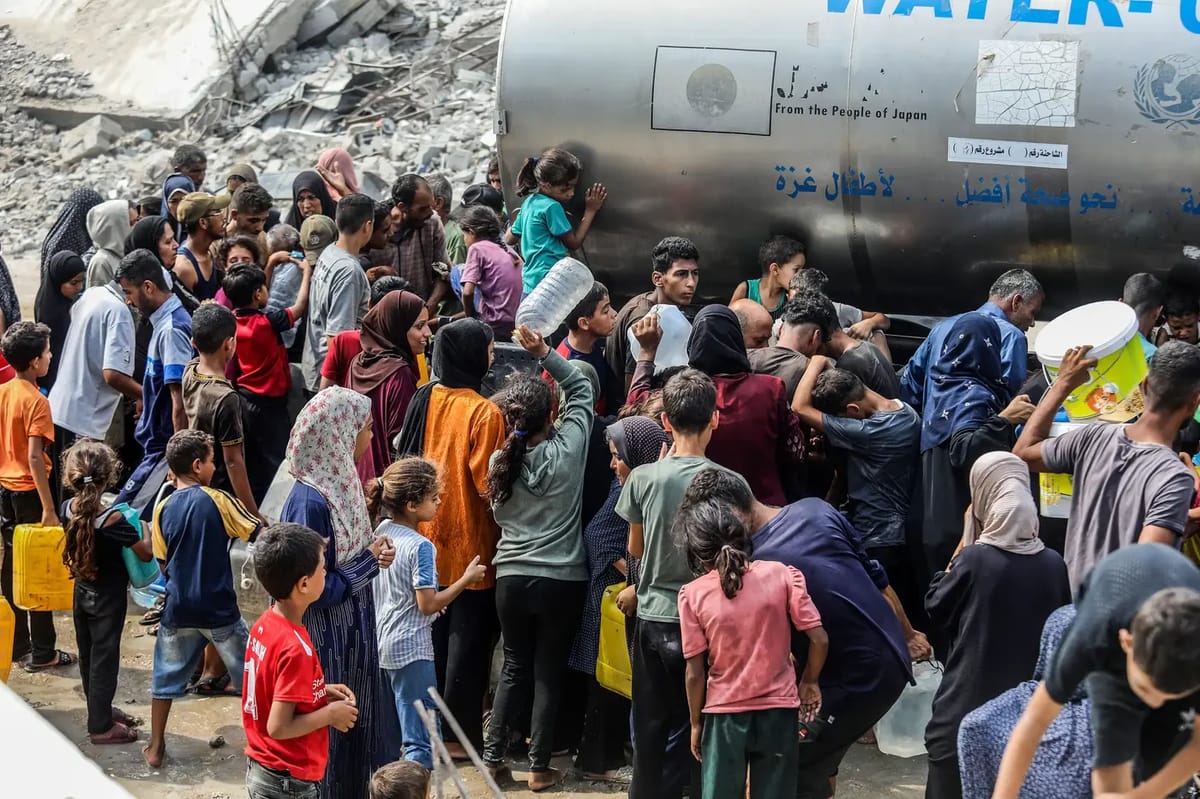
The officials also pointed out issues with the distribution of aid, noting that while approximately 600 trucks enter Gaza daily, the United Nations fails to inform the international community that only about 150 of those trucks belong to the UN, with the rest imported by the Palestinian private sector. The UN also fails to explain why it cannot manage to deliver more UN-coordinated and funded trucks, despite assistance from the US, Jordan, Egypt, and other nations.
Israel remains firm in preventing the entry of any materials that fall below the humanitarian threshold set by the security system and approved by the political echelon.