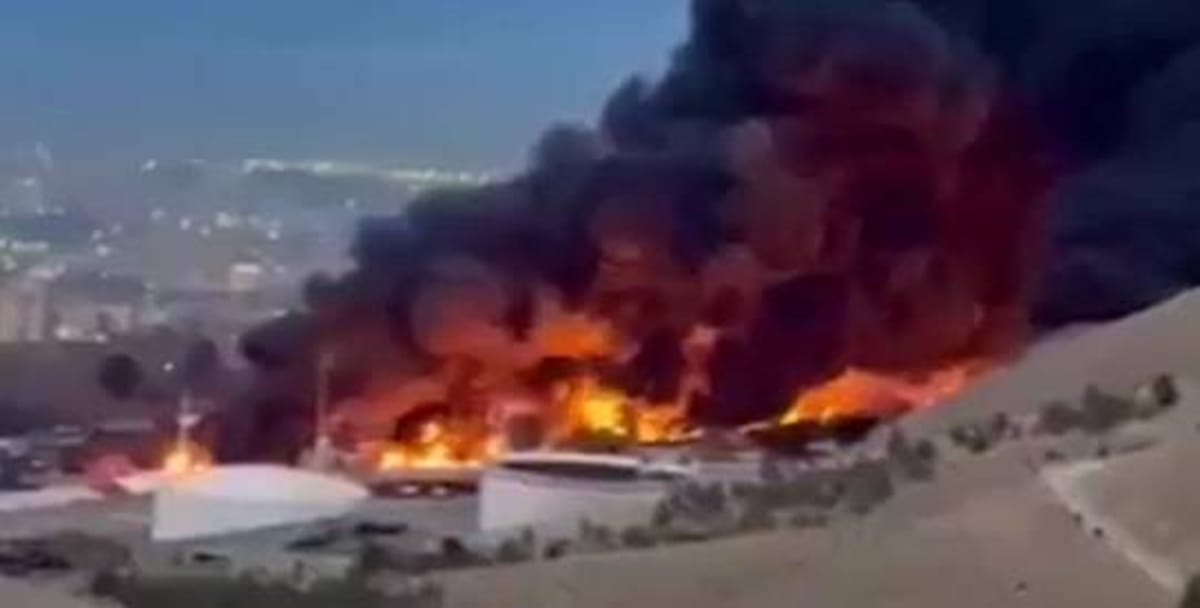
In a significant diplomatic shift reported by Barak Ravid, the Trump administration has officially requested that Israel halt any further strikes on Iranian energy infrastructure, with a specific emphasis on oil facilities. This message was reportedly delivered not only to the highest political echelons in Jerusalem but also directly to IDF Director General Eyal Zamir. According to three sources familiar with the discussions, the American request is rooted in a long-term strategic vision for the region that involves preserving Iran's natural resources for the post-war era. While the war continues to rage against military and nuclear targets, the White House has identified the oil industry as a "red line" that should only be crossed in the most extreme circumstances, marking a clear limit on the current scope of the campaign.
Preserving the People and the Future
The Trump administration provided three primary justifications for this new restriction. First, they argued that continued strikes on energy facilities disproportionately harm the Iranian public, many of whom oppose the regime and currently support the Israeli-American military operation. By cutting off power and fuel, the coalition risks turning the population against the liberators. Second, the President is reportedly eyeing a future partnership with a new Iranian government. Similar to his strategy in Venezuela, Trump envisions a scenario where the US can cooperate with a post-war Iran in the oil sector. Destroying the infrastructure now would make that future economic recovery far more difficult and expensive.
Protecting the Gulf States
The third and perhaps most urgent reason involves the risk of regional escalation. US intelligence suggests that if the Iranian regime sees its own oil industry being completely destroyed, it may retaliate by launching massive attacks against the energy infrastructure of neighboring Gulf countries. This "if I go down, everyone goes down" scenario would result in a global economic catastrophe. Trump views strikes on oil facilities as a "Doomsday Weapon" that should be reserved only as a response to an Iranian attack on global oil supplies. This was the logic behind the President's recent warning that if Iran targets world oil, they will be hit "20 times harder" with the destruction of targets they could never rebuild.
Strategic Restraint
This request for restraint highlights the delicate balancing act being performed by the Trump administration. While they are fully committed to the military defeat of the Ayatollahs and the destruction of their nuclear program, they are also attempting to manage the global economy and plan for a stable "day after." By protecting the oil fields, the US is ensuring that a future, non-hostile Iran will have the financial means to rebuild without requiring massive international bailouts. For the Israeli government, this means recalibrating their target lists to focus on the IRGC, the Basij, and the nuclear sites, while leaving the derricks and refineries intact for now.