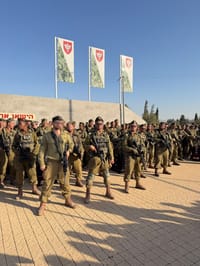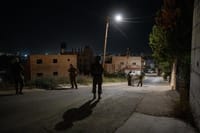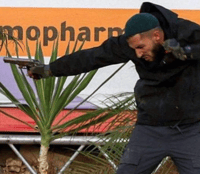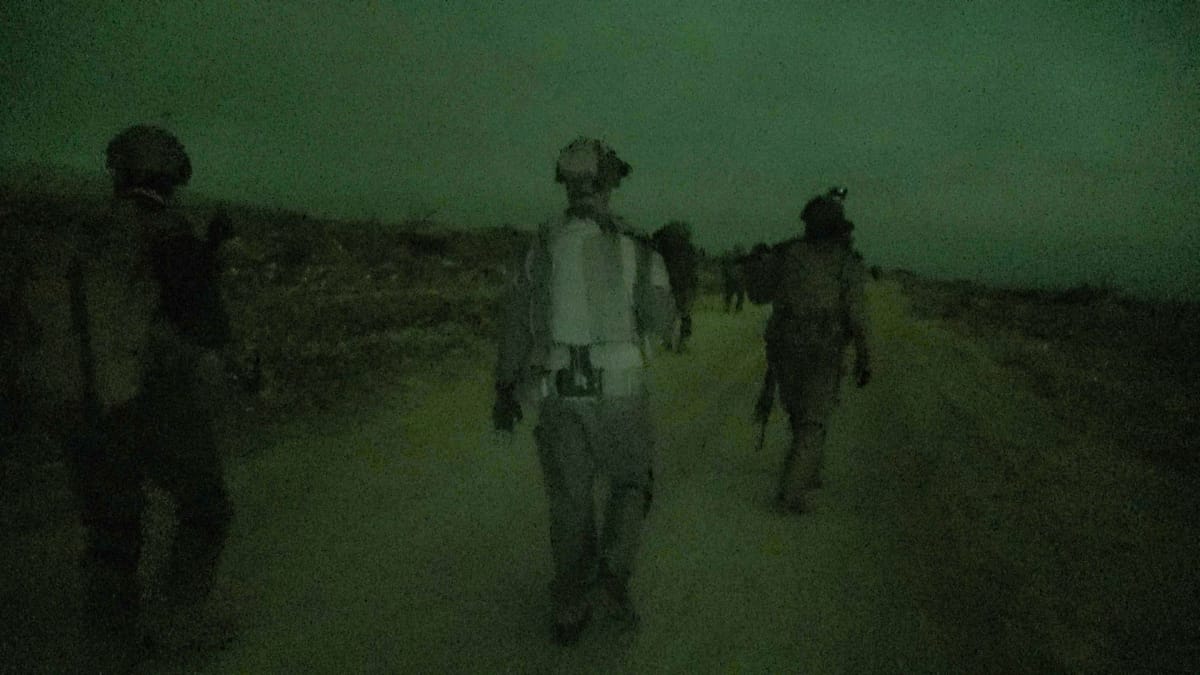
As the Israeli military prepares for a potentially prolonged ground campaign in Southern Lebanon, Hezbollah is reportedly undergoing a radical tactical shift. Lebanese sources close to the organization told Reuters that the terrorist group has learned painful lessons from its recent defeats and is returning to its origins as a decentralized guerrilla force. After suffering deep penetrations of its communication networks, including the devastating pager and radio explosions of 2024, the group is now avoiding any electronic devices that could be monitored by Israeli intelligence. Instead, they are operating in small, independent cells that rely on low-tech methods to coordinate ambushes against advancing IDF troops.
Tactical Evolution and Silence
The shift back to guerrilla warfare is a direct response to Israel’s total air and technological superiority. Hezbollah fighters are now reportedly operating in tiny units that have no contact with a central command center, a move intended to make them harder to track and eliminate from the air. To ensure continuity of operations, every commander has been assigned four deputies who are ready to take over if the leader is liquidated. Furthermore, the group is carefully rationing its stockpile of anti-tank missiles, anticipating that the war will be long and that their traditional supply routes through Syria have been permanently severed following the collapse of the Assad regime.
The Loss of the Syrian Corridor
The fall of Bashar al-Assad in 2024 dealt a massive strategic blow to Hezbollah. For decades, Syria served as the primary transit point for Iranian weapons and a vital "strategic depth" for the organization. Under the new leadership of President Ahmed al-Sharaa, Syria has transformed from an ally into a hostile neighbor that views Hezbollah as an enemy. This has forced the group to rely solely on what they have already stockpiled within Lebanon. The group’s leadership is reportedly betting on the survival of the Iranian regime to eventually secure a regional ceasefire that would leave them as a recognized political and military force in a post-war Lebanon.
Internal Strife and the "Vacuum of Fear"
Hezbollah’s unilateral decision to join the war has sparked unprecedented fury within Lebanon. At least 700,000 Lebanese citizens have been displaced, and the government in Beirut has promised to ban the group’s military activities once the fighting stops. Even within the Shia community, once the group's bedrock of support, voices of dissent are beginning to emerge. Despite this, Hezbollah remains defiant, warning that any attempt to forcibly disarm them will lead to a bloody civil war. As the IDF pushes deeper toward the strategic town of Khiam, the group is bracing for what they call an "existential defense," hoping that their new guerrilla tactics will be enough to stave off total annihilation.