
No disarming
Hamas Reveals New Spokesman, Also Named Abu Obeida
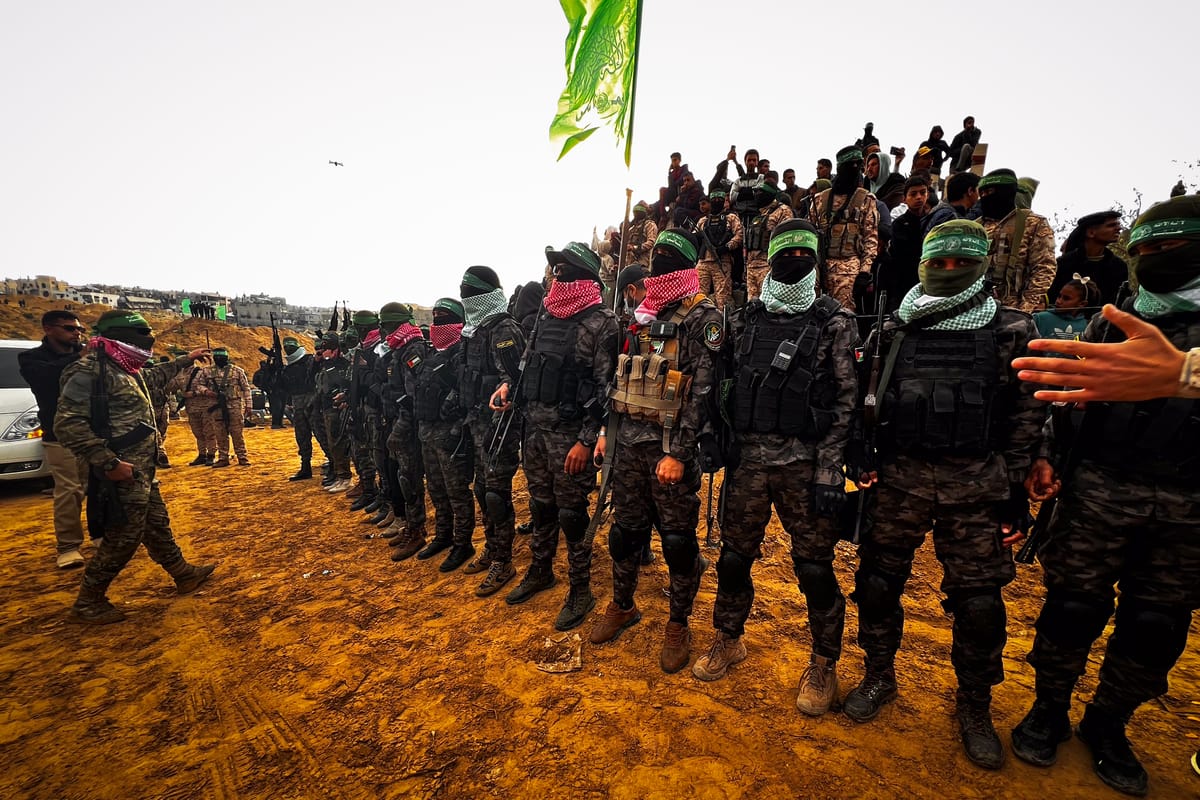
Hamas’s decision to publicly unveil a new masked military spokesperson to replace Abu Obeida is being interpreted by Israeli defense officials as a clear sign the organization has no intention of disarming or scaling back its military and psychological warfare, despite months of sustained Israeli pressure.

Hamas’s decision to publicly unveil a new masked military spokesperson to replace Abu Obeida is being interpreted by Israeli defense officials as a clear sign the organization has no intention of disarming or scaling back its military and psychological warfare, despite months of sustained Israeli pressure.
On Monday, Hamas’s military wing formally acknowledged for the first time that Abu Obeida, its long-time spokesman, was killed in an Israeli airstrike in August. Alongside the announcement, the group released an image of his successor, whose face was concealed and whose identity was not disclosed. The new figure declared that he had “inherited” the nom de guerre Abu Obeida, preserving the symbolic role associated with the name rather than introducing a new public persona.
Israeli military sources said the move was expected and reflects a broader effort by Hamas to reconstitute its leadership following the elimination of senior figures during the war. According to defense officials, the appointment demonstrates Hamas’s determination to continue rebuilding its military wing and maintaining its propaganda and psychological operations, even as it absorbs significant battlefield losses.
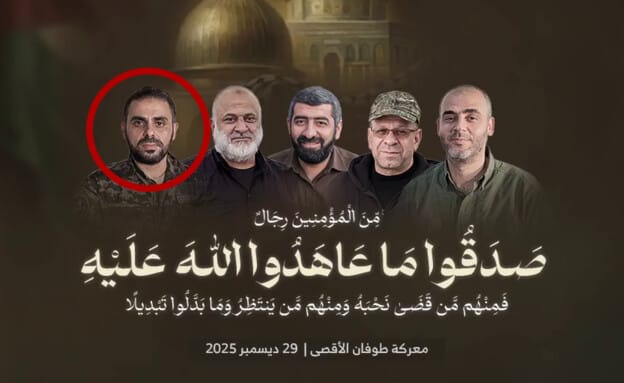
The decision to keep the new spokesman masked is viewed as a deliberate continuation of the tactics used by Abu Obeida, who became one of Hamas’s most recognizable figures through carefully choreographed statements and video appearances. Israeli officials assess that concealing the successor’s identity is intended both to protect him and to sustain the mystique that Hamas uses as part of its psychological campaign against Israel. Defense sources say it is only a matter of time before the new spokesman’s identity is uncovered.
In its statement, Hamas also signaled that it has no intention of laying down its weapons, despite pressure from Israel, the United States, and regional mediators. Israeli officials say this reinforces their assessment that Hamas is preparing for a prolonged struggle rather than moving toward any form of demilitarization in Gaza.
The timing of the announcement was notable, coming as Prime Minister Benjamin Netanyahu was in the United States for talks with President Donald Trump, including discussions about the next phase of arrangements in Gaza. Israeli analysts believe Hamas sought to project continuity and defiance amid renewed diplomatic activity.
Abu Obeida was considered one of Hamas’s most influential figures in Gaza and a central architect of its messaging during and after the October 7 attacks. While Israeli officials describe his elimination as a significant blow to Hamas’s propaganda apparatus, the rapid appointment of a successor suggests the group is determined to show that its leadership and messaging capabilities remain intact.