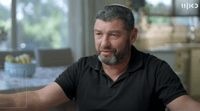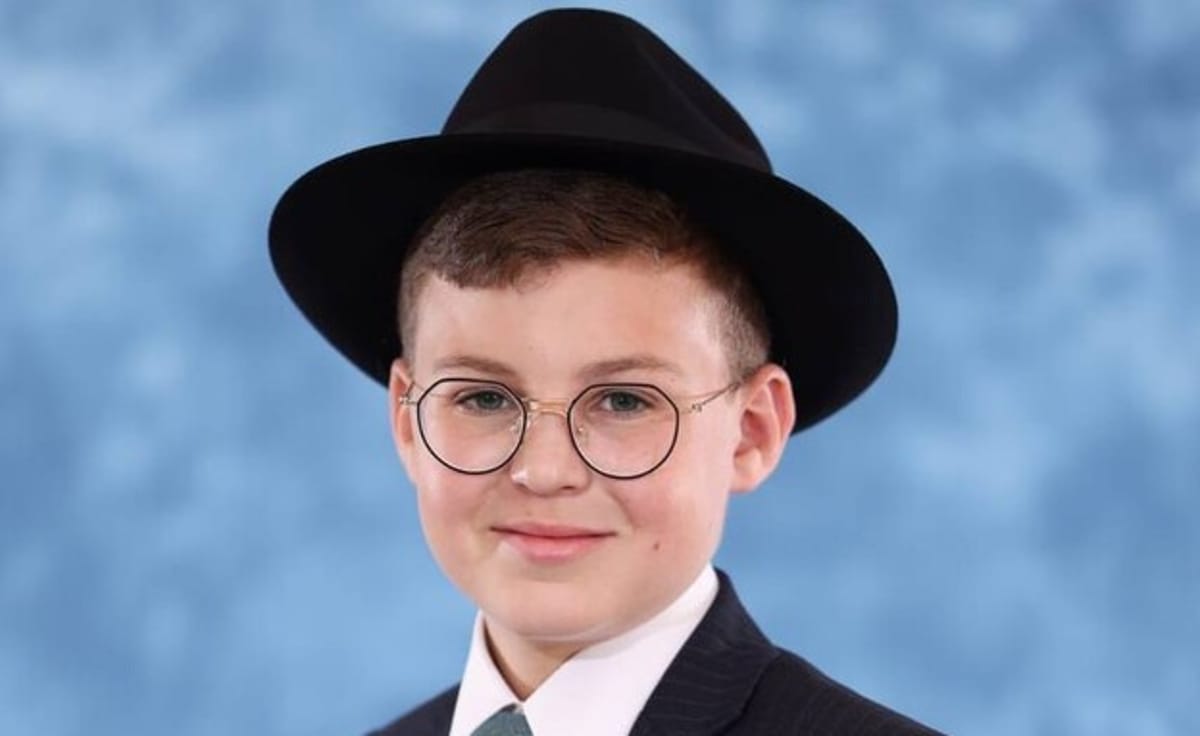
A grieving father in Jerusalem has ignited a wave of national disbelief following a series of interviews in which he expressed a profound hatred toward military service, even after the tragic death of his young son. Shmuel Eisental, the father of 14 year old Yosef Eisental, spoke to local media nearly a week after the boy was fatally struck by a vehicle during a massive Haredi demonstration against IDF conscription. The protest, characterized by intense violence, blocked major arteries and saw the burning of trash bins and attacks on public transportation. During a discussion with Army Radio, the elder Eisental reinforced the radical slogan of "we will die and not enlist," taking the sentiment to a level that many have found completely incomprehensible.
The bereaved father explicitly stated that even with the benefit of hindsight, his opposition to the Israeli army remains absolute. "I understand that this is difficult to digest," Shmuel Eisental said during the interview, speaking as a man in the midst of mourning. When asked if he still stood by the extremist rhetoric of the anti draft movement, he replied with total honesty that he would prefer his son be dead than be forced into military service. He went even further, clarifying that if he had to choose between his son serving his country or dying in the violent manner in which he perished on the streets of Jerusalem, he would choose death for the child.
These comments come as a war of words intensifies regarding the lack of police presence during the fatal incident. A recent investigation revealed that Jerusalem district police had a standing order not to send patrol cars into the heart of the protest area, a decision made in coordination with the organizers of the demonstration. This internal directive left a bus driver, who was being swarmed and attacked by rioters, without immediate rescue when he called for help. The resulting chaos led to the accidental death of young Yosef, yet the boy's father remains focused on his ideological war against the state. Wishing for the death of a child, much less ones own son is absolutely disgraceful no matter political stance or views.
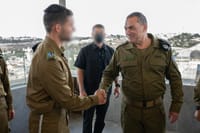
Critics of this extremist mindset argue that such positions are a slap in the face to the soldiers who have spent hundreds of days in combat defending the peace and safety of all Israeli citizens, including the ultra Orthodox. While these groups claim that their refusal to serve is rooted in a desire to study Torah, the reality of violent street protests suggests a movement more interested in civil disruption than religious devotion. The Israeli military has established numerous tracks that allow religious soldiers to maintain their observant lifestyle while sharing the burden of defending the nation, proving that faith and service can coexist. By choosing to voice such a despicable preference for death over defense, leaders within this fringe community continue to widen the divide within Israeli society at a time when the nation is at war for its survival.