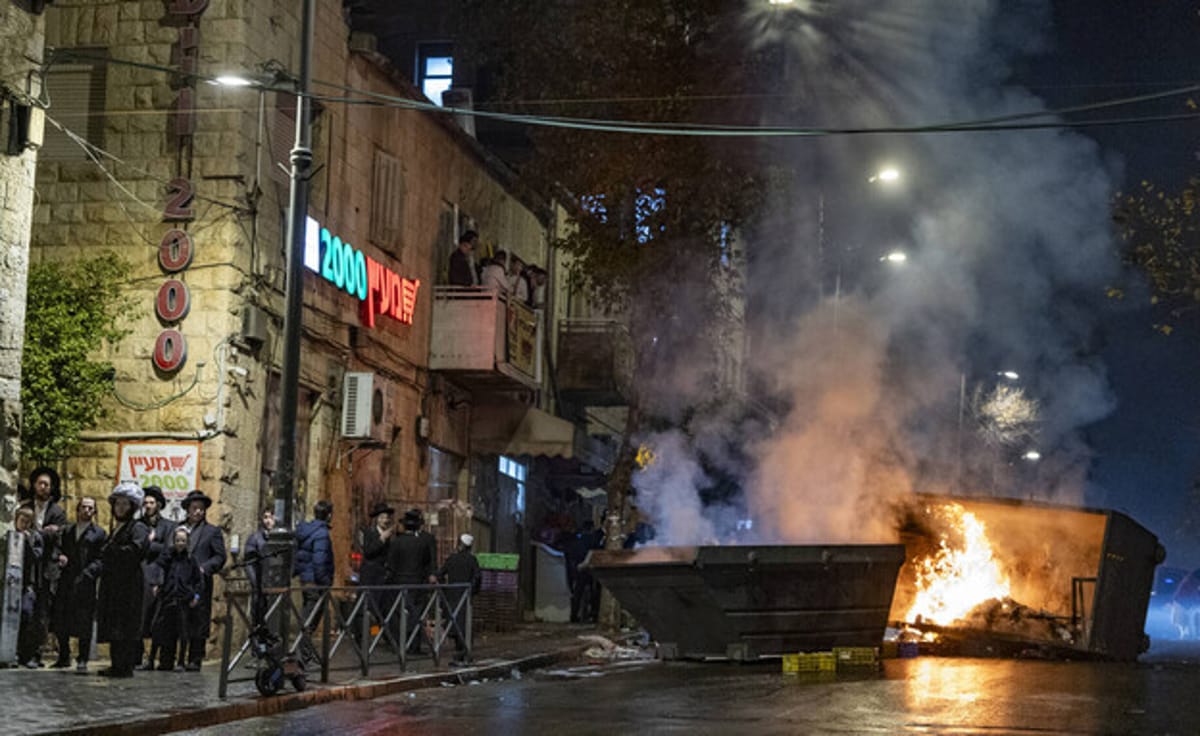
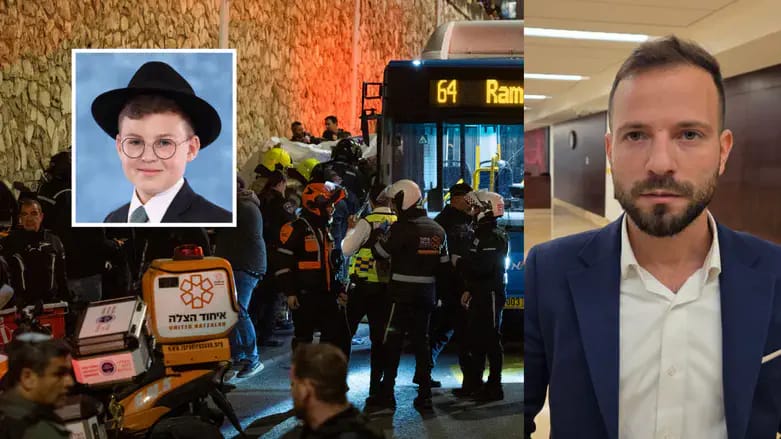
The streets of Jerusalem have increasingly become a theater of war as ultra-Orthodox protests against military enlistment spiral out of control, revealing a systemic failure in law enforcement and public safety. The recent death of 14-year-old Yosef Eisental is being viewed by many not as an isolated accident, but as the inevitable result of a vacuum in governance. While the state attempts to enforce new draft laws, the reality on the ground is one of escalating violence where police forces appear unable to maintain red lines or provide basic protection to those caught in the crossfire.
The details emerging from the fatal ramming of Yosef Eisental highlight a terrifying breakdown in emergency response. The driver, Fakhri Khatib, reportedly spent several minutes pleading with police dispatchers for help as a mob surrounded his bus, pelted it with stones, and spat on him. Witnesses describe a chilling "countdown" initiated by the crowd, signaling a collective plan to breach the vehicle and attack the driver. Faced with what he perceived as an imminent threat to his life and receiving no police intervention, Khatib accelerated into the crowd. Judge Sharon Lary-Bavly noted the severity of the situation during a court hearing, stating, "I believe the driver that this was a stressful situation, and the phone call reinforces this claim." However, she also clarified that driving into a crowd remained a tragic choice, emphasizing that the 14-year-old victim is the primary tragedy of the case.
This instability extends to the treatment of the media. Reporters from N12 and Kan News have been systematically targeted, with extremists throwing eggs, rocks, and bottles at crews. In one instance, journalists were not rescued by police but by Magen David Adom paramedics, while another team had to hide in a shop until Border Police arrived to extract them. Despite these blatant attacks on the press, Communications Minister Shlomo Karhi has remained silent, failing to issue a single condemnation. This environment of lawlessness was also present in late October, when a 20-year-old man fell to his death from a construction site after protesters breached security perimeters that the police had been warned about in advance.
The tragedy has prompted a sharp response from Yisrael Diskind, whose brother was killed in the 2021 Meron disaster. Diskind argues there is a direct link between the two events, blaming "irresponsible businessmen" and protest organizers who lead young people into dangerous situations and then blame the state. "A child should never return home in a coffin, whether from Meron or a protest," Diskind said, calling for the organizers to take responsibility for the anarchy they incite. As the draft war continues to divide the nation, the lack of effective policing and the rise of "hot-headed" vandalism suggest that without a major shift in strategy, more tragedies are on the horizon.