After enduring two long years in the hands of terrorists, captivity survivor Elkana Bohbot has finally shared the first details of the profound psychological abuse he suffered. In an interview scheduled to air on Monday, Bohbot describes a calculated campaign by his captors to break his spirit by targeting his wife, Rebecca, and his young son, Re’em. The testimony provides a grim look into the methods used by the terrorists in Gaza, who identified Bohbot’s devotion to his family as his greatest vulnerability and turned it into a tool for constant humiliation and fear.
Bohbot recalled how the captors would frequently approach him with lies intended to destroy his hope. They would tell him that his wife was no longer waiting for him, and at several points, they even claimed she had died. He described the constant stream of insults directed at his family as the hardest thing in the world to endure. One particularly chilling incident involved a terrorist asking for the name of Bohbot’s son. When Bohbot replied that his name was Re’em, the captor told him he was going to pray for the boy's death. Bohbot then watched as the man began to bow and pray on the floor in front of him, explicitly stating that he was asking for the child to die.
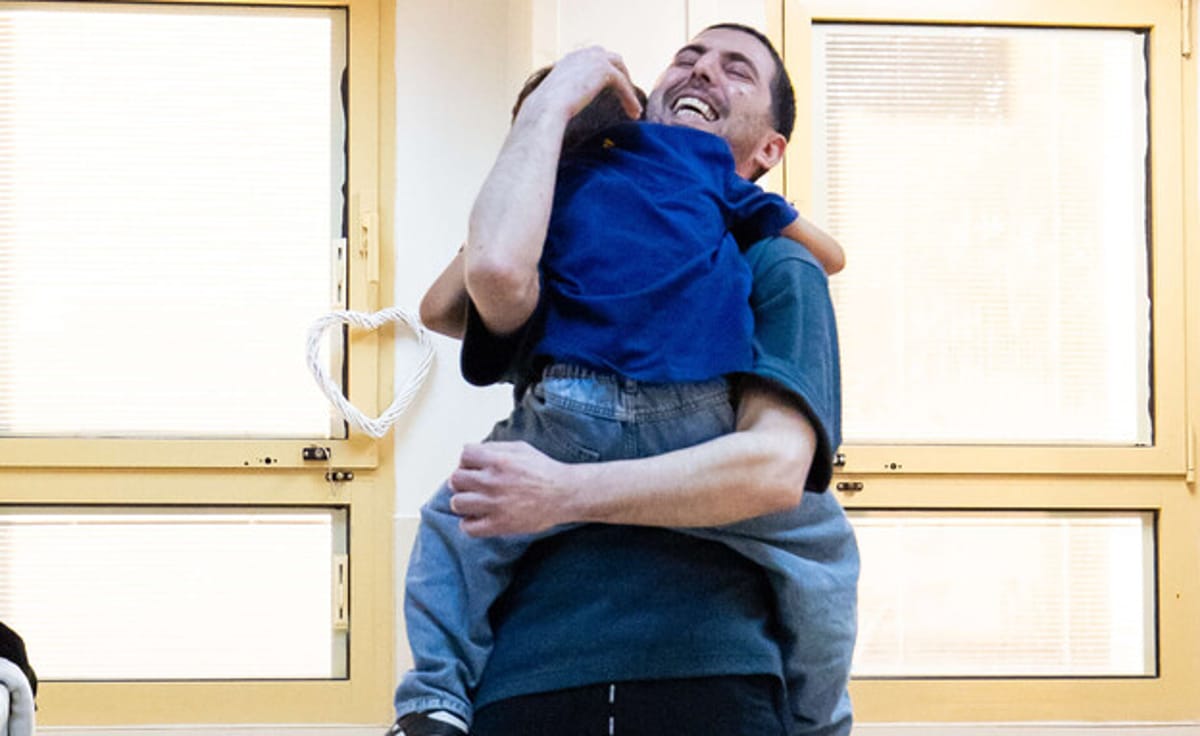
The constant anxiety regarding his family’s safety followed Bohbot throughout his entire time in Gaza and continued even as his release approached. He admitted that as the moment of his return grew near, he felt a paralyzing fear about reuniting with his son. He confessed that at first, he did not want to see him because he was terrified that the boy would not recognize him, that he would not recognize his son, or that the child would refuse to run to him. This fear of a broken bond was a direct result of the years spent being told his family had moved on or perished.
Even during the transition back to freedom, Bohbot struggled with the lack of guidance on how to navigate such a traumatic reunion. He asked officials for instructions on what to do or say to his son, but he found that there were no clear answers for such an unprecedented situation. His story highlights that for survivors of the war, the return to Israel is only the beginning of a long process of overcoming the deep mental scars inflicted by terrorists who sought to destroy not just their lives, but their most sacred personal connections.