A Bond Forged in the Tunnels
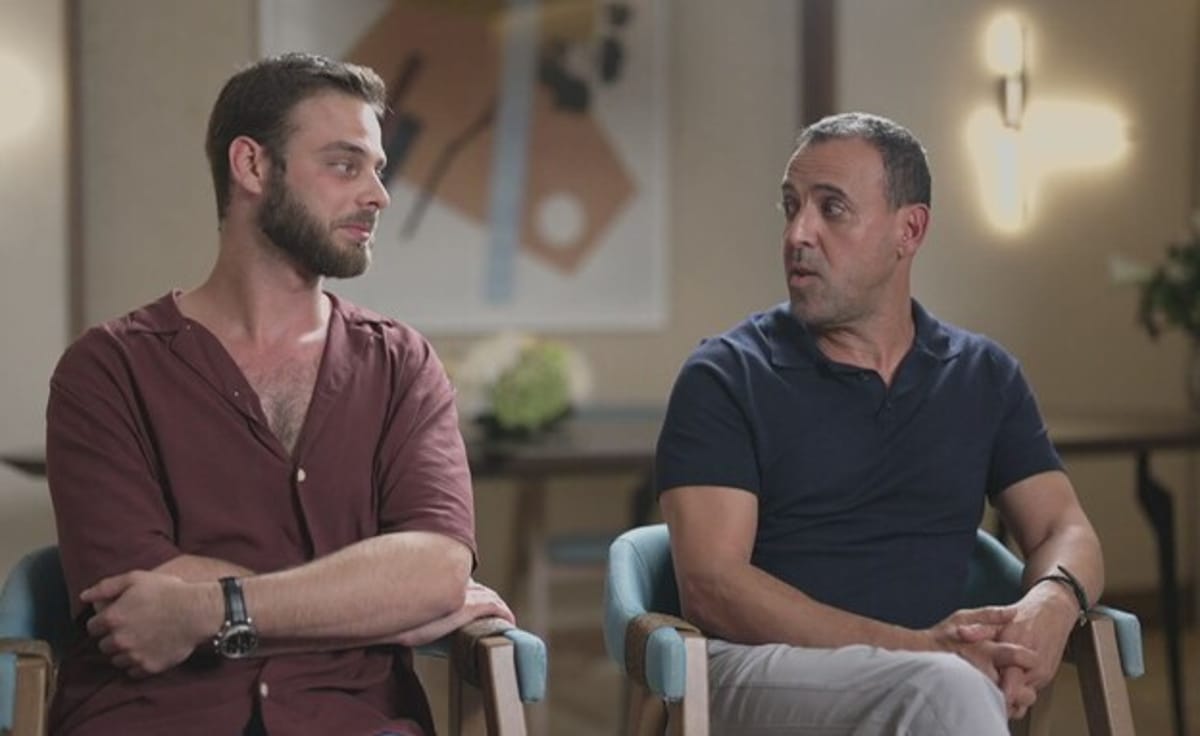
The reunion of Alon Ohel and Eli Sharabi, a moment they simultaneously yearned for and feared would never happen, is now reality. For 14 months in the terror tunnels of Gaza, the two men formed an unbreakable connection. Sharabi, older and a father, became a father figure to Ohel, while Ohel saw a stand-in for his own father in Sharabi. They were part of a group of four hostages, Alon, Eli, Elya Cohen, and Or Levy, though the bond between Ohel and Sharabi was unique from the start.
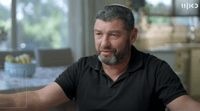
"We are lucky, look at this. We are alive," Sharabi said during their meeting, calling the reunion a "dream come true." Ohel agreed, "This is the victory, isn't it? This is our victory." Sharabi, who was released earlier than Ohel, reflected on their survival: "There are those who didn’t make it out alive. We are alive. We were given a second chance. We are free people today."
Choosing Life Over Despair
Both men spoke passionately about their determination to not be broken by the ordeal. Ohel posed the profound question they shared: "Why did we survive all of that, if we return here and are broken?" He added, "We were strong there, and we are strong now. No matter what happens."
Ohel insisted that they had "chosen to live," and vowed to "live these lives like crazy." Sharabi was moved by Ohel's resilience, saying, "You don't understand how emotional this makes me. This is not the Alon I knew on November 27th. I am so proud of you, you are amazing." Sharabi explained that upon his own release, the immense tragedy of learning about his murdered wife and daughters, and his brother Yossi who was also killed, was overwhelming, but he felt prepared for the blow after enduring the captivity.
Sharabi was particularly concerned for Ohel after his own release, knowing Ohel had to survive the remaining seven months alone with the terrorists. "I truly can't imagine myself alone," Sharabi said. "And for Alon to survive alone, day after day, that's being alone with terrorists."
"It's Not Courage, It’s Values"
Their survival hinged not just on resilience, but on profound loyalty and shared values. They recalled one of the most agonizing moments in captivity when Ohel stood up to the terrorists and demanded they feed all the hostages, not just him.
"You are capable of eating the walls out of hunger. We collected every crumb on the rug. And he stands up to the terrorist and says he refuses to take food from him if he doesn't give it to everyone," Sharabi recounted. Ohel explained that the terrorists constantly played divide-and-conquer games with them, using everything from mattresses to food.
When asked why he confronted the guard, Ohel replied, "Of course, why is that even a question?" Sharabi insisted: "It’s not courage, it’s values. All he knows is goodness and doing good, and being considerate, and that others should be well before himself." Sharabi explained that Ohel's selfless values gave him purpose, reminding him of his role as a father, which he had to leave behind.
Sharabi believes Ohel saved his life. He recalled an incident where he was beaten, and Ohel intervened. "The case where I am beaten, if anyone stopped that terrorist, it was probably Alon." Ohel humbly explained that in captivity, where there are no rules and you beg for everything, you simply "plead" to stop the violence.
Back in the Tunnels, Then the Future
During a break in the interview, the two men reverted to their secret language, speaking of their captors using the nicknames they had invented to communicate without being discovered. They remembered the smallest details: the faces, the names, and the terrorists' sick ideology, their "sanctity of death" and hate. They recalled moments when "hundreds cheer" over every report of a soldier's death, "counting 'martyrs' every morning."
The shared experience, including Sharabi learning every birthday and hobby of Ohel’s family, cemented an eternal connection. Ohel, in turn, learned about Sharabi’s secret talent: his piano playing, which Sharabi had performed for them in captivity.
Their first meeting after Sharabi's release was "crazy." "We cried for two or three minutes, and then we moved on," Ohel said. Sharabi added, "Mostly I held his hand, to see that it was real. We waited for this."
The two are now determined to fulfill the plans they made in the depths of their prison, particularly their promise to go scuba diving together. "The dive will happen, absolutely," Sharabi stated. He revealed that in every breath he took during a recent dive in Thailand, he thought of both his daughter and Ohel. They are meticulously planning their trip to Koh Phangan, down to where they will sleep and what they will eat, a testament to a bond that was born in hell and is now committed to life.