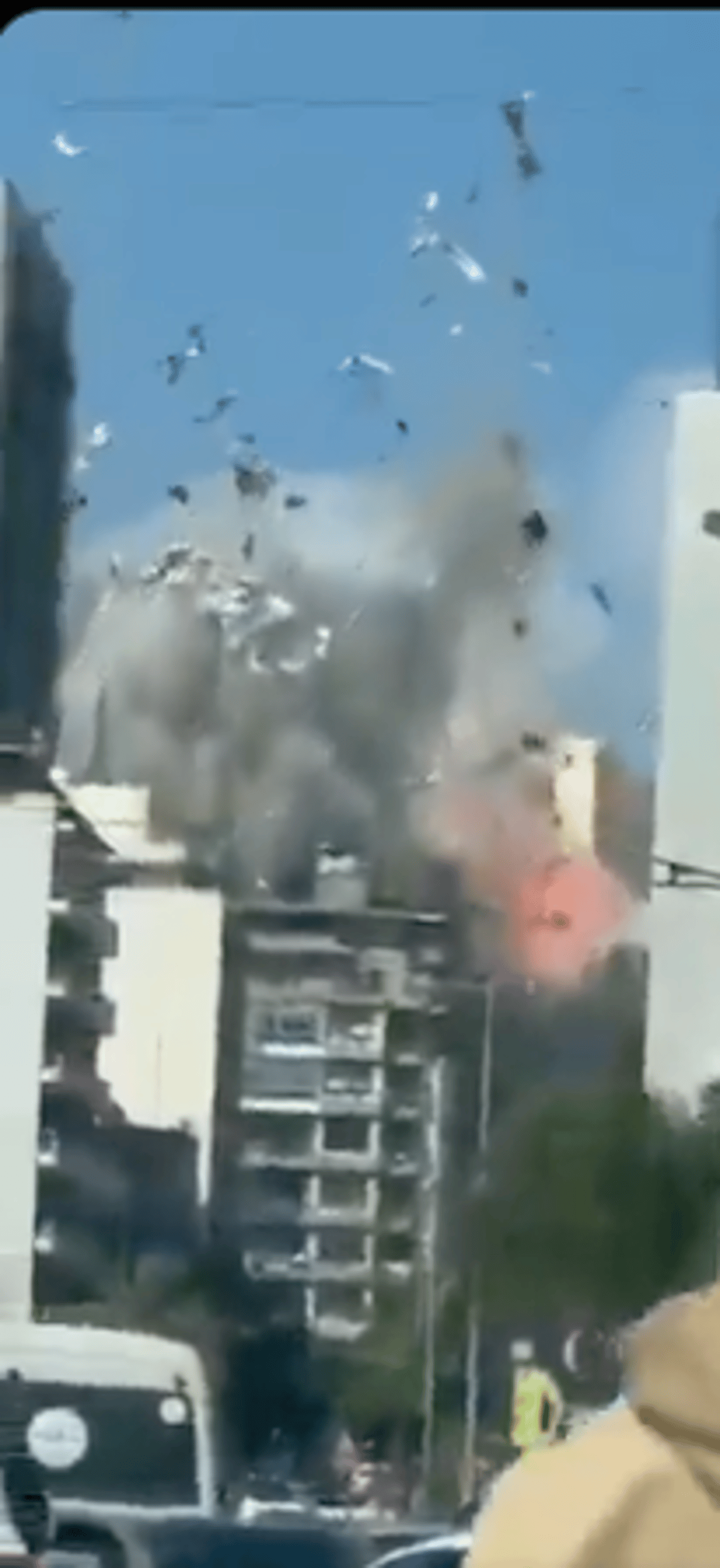
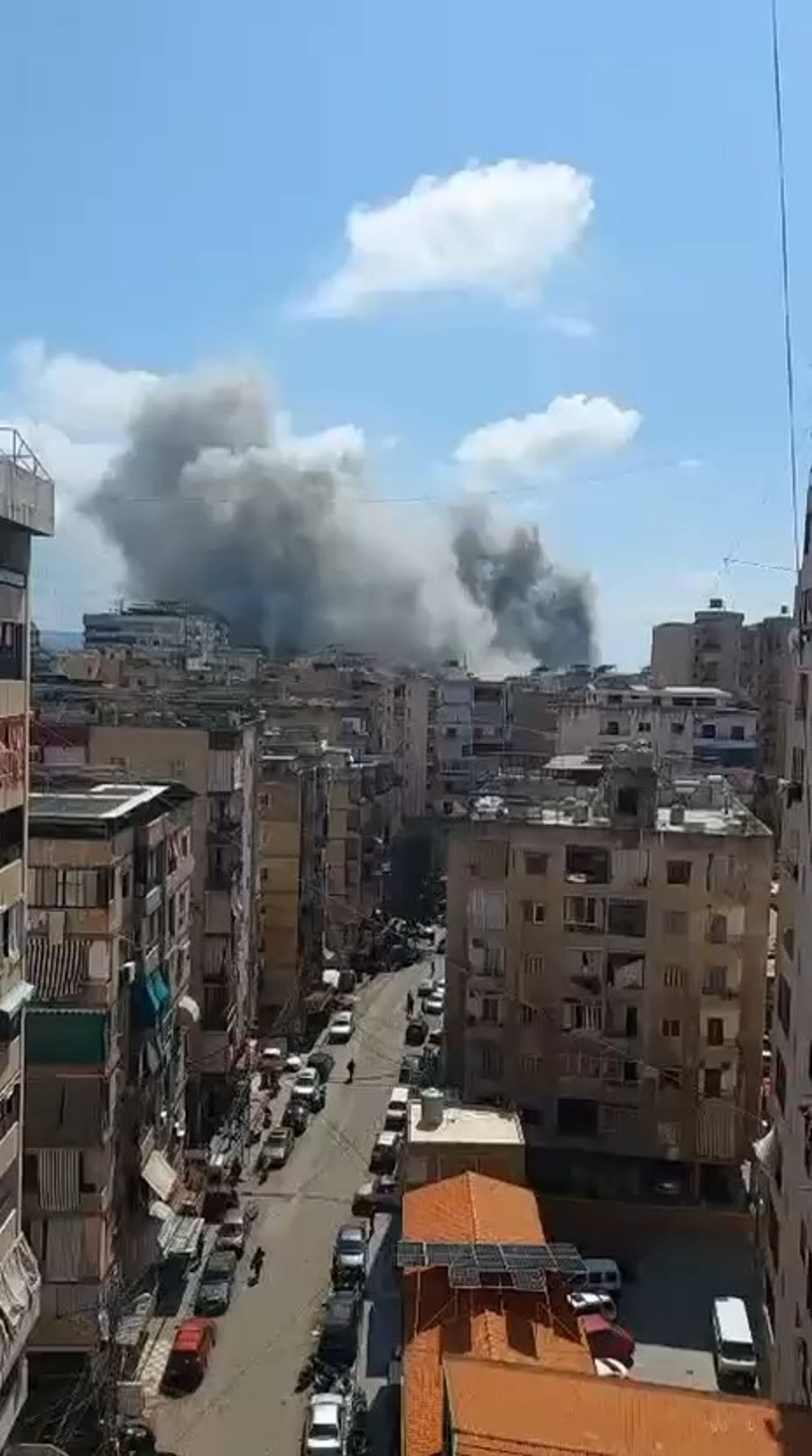
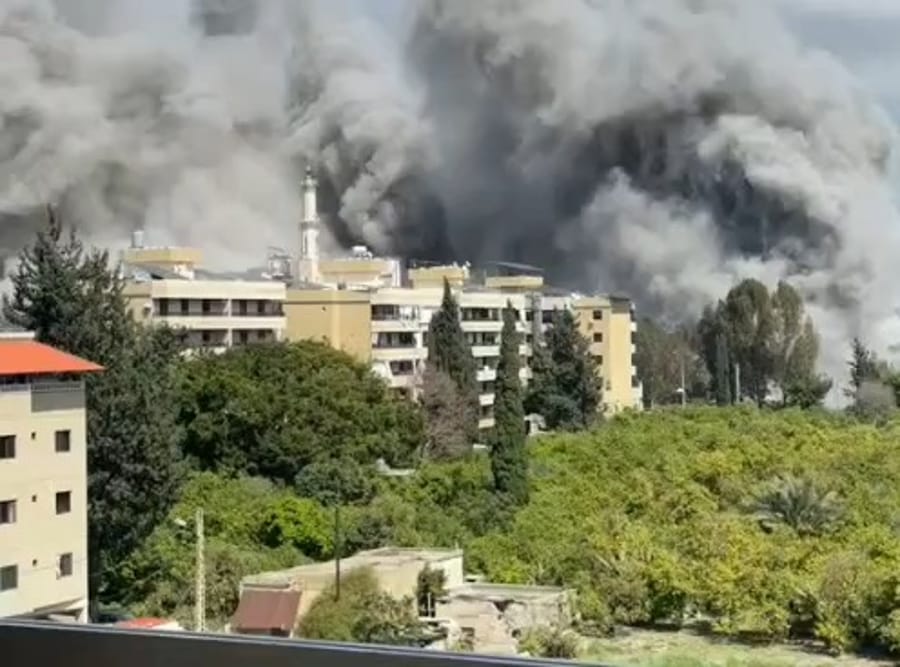
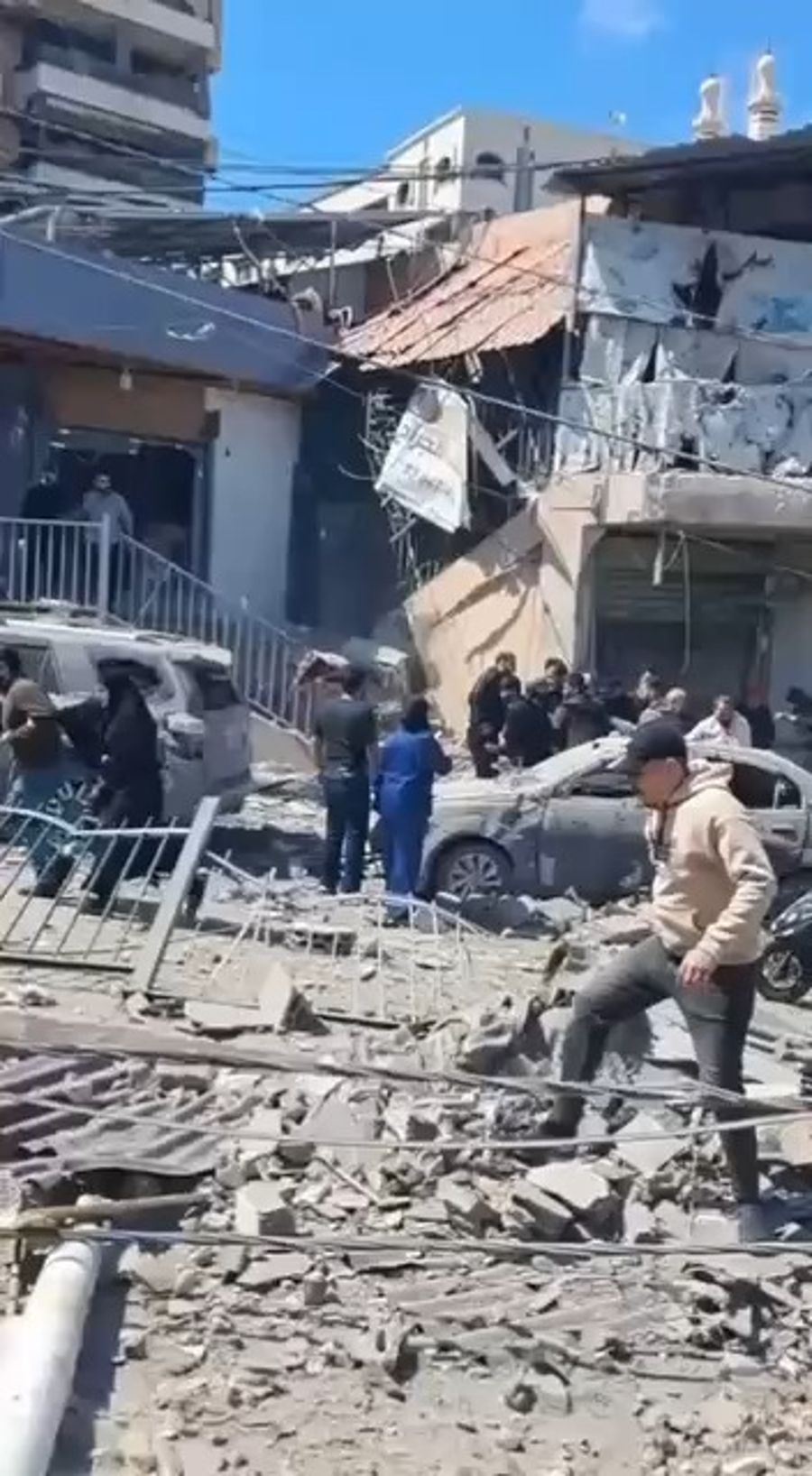
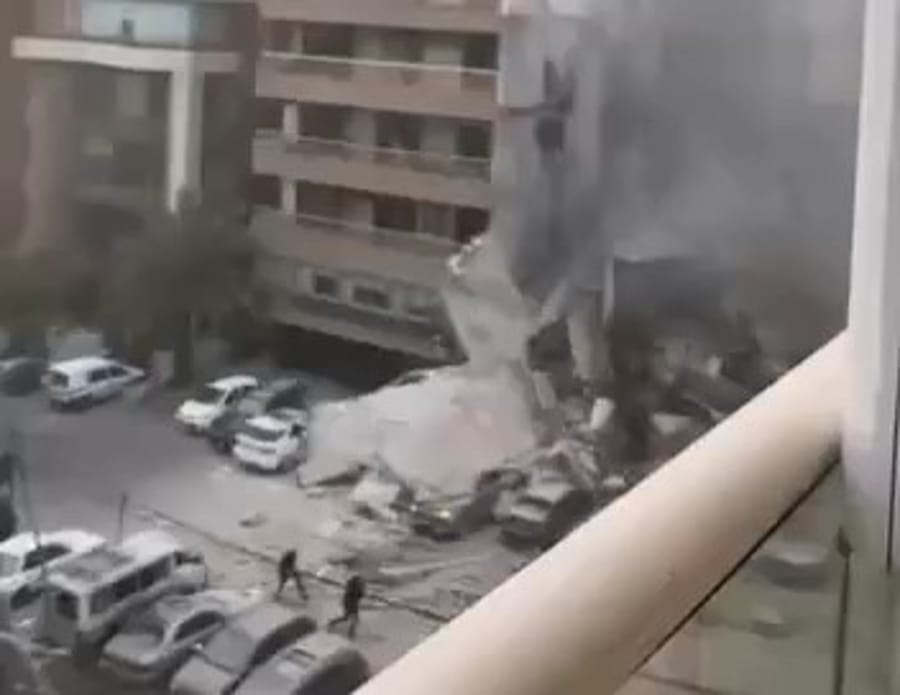
Open Source Intel reported that one of the buildings destroyed in Beirut was where Hezbollah Secretary-General Naim Qassem's brother lived.
Three sources close to Hezbollah allegedly told Reuters the group had halted its fire on northern Israel and on Israeli troops in southern Lebanon as part of the US-Iran ceasefire framework. Despite this (which hasn't been confirmed), Lebanese media reported continued Israeli strikes across southern Lebanon and Beirut throughout the evening, including a strike in the Tallet Khayat neighborhood outside Dahiyeh in which Lebanese footage showed a building partially collapsing.
The IDF also said Hezbollah has vacated its stronghold in Beirut's southern suburbs and is repositioning toward northern Beirut and mixed areas of the city.
Evacuation warnings were expanded ahead of the strikes. The IDF called on residents of the Shabriha area of Tyre to leave and published a map identifying a building to be targeted, while also issuing warnings for the southern suburbs of Beirut. The Lebanese Armed Forces urged civilians not to return to southern villages, and Hezbollah echoed that call, telling residents to stay away from the south, the Beqaa Valley, and Beirut's southern suburbs until an official ceasefire announcement is made.
At sea, the IDF issued a maritime warning ordering all vessels operating between Tyre and Ras Naqoura to sail north immediately, with army spokesman Col. Avichay Adraee citing Hezbollah activity in the zone as forcing Israeli military action in the maritime domain.
Iran's Fars news agency reported that Tehran had halted the passage of oil tankers through the Strait of Hormuz in response to the Israeli strikes in Lebanon.
NOTE: Casualty figures from Lebanese media have not been independently verified.