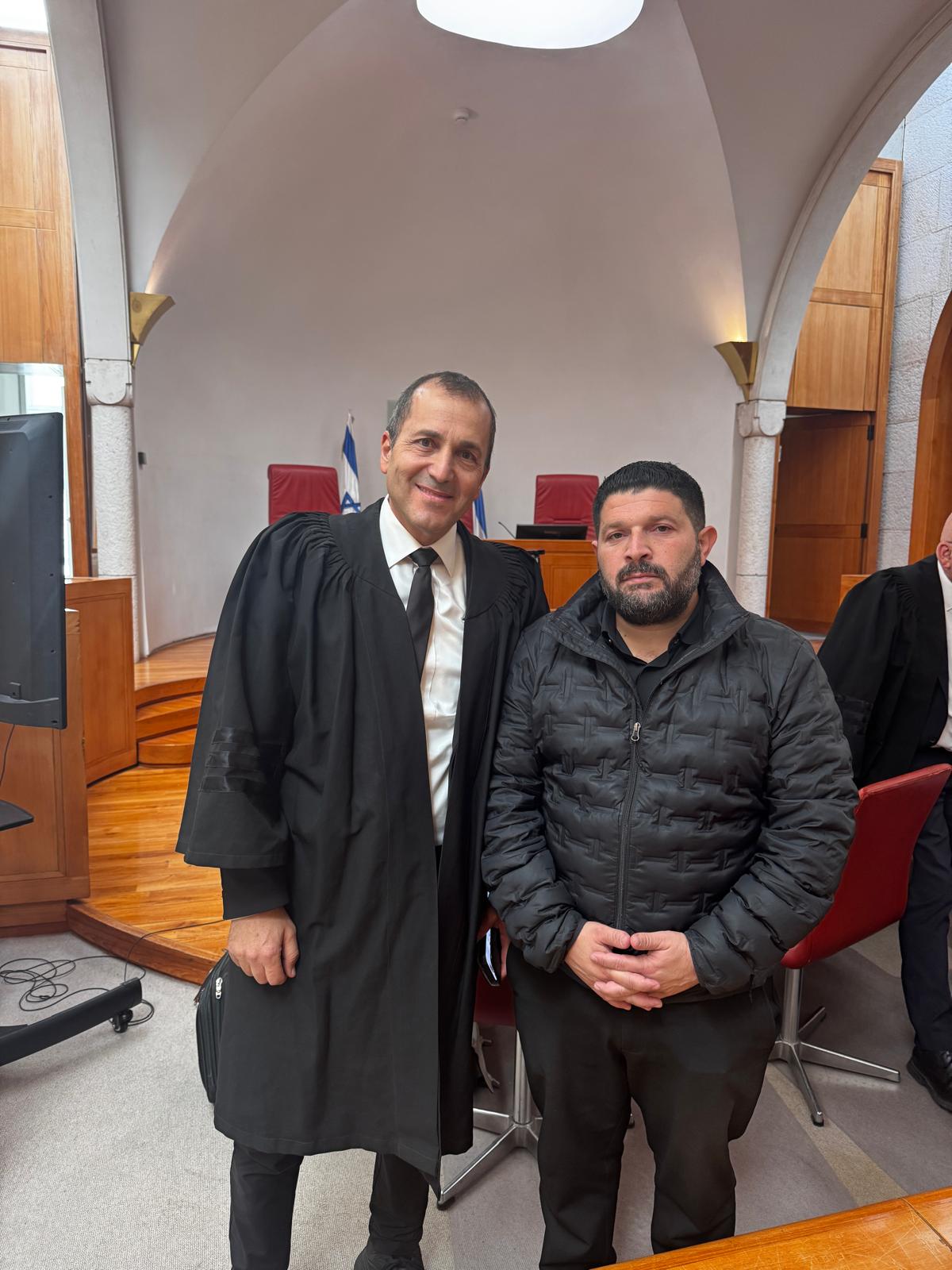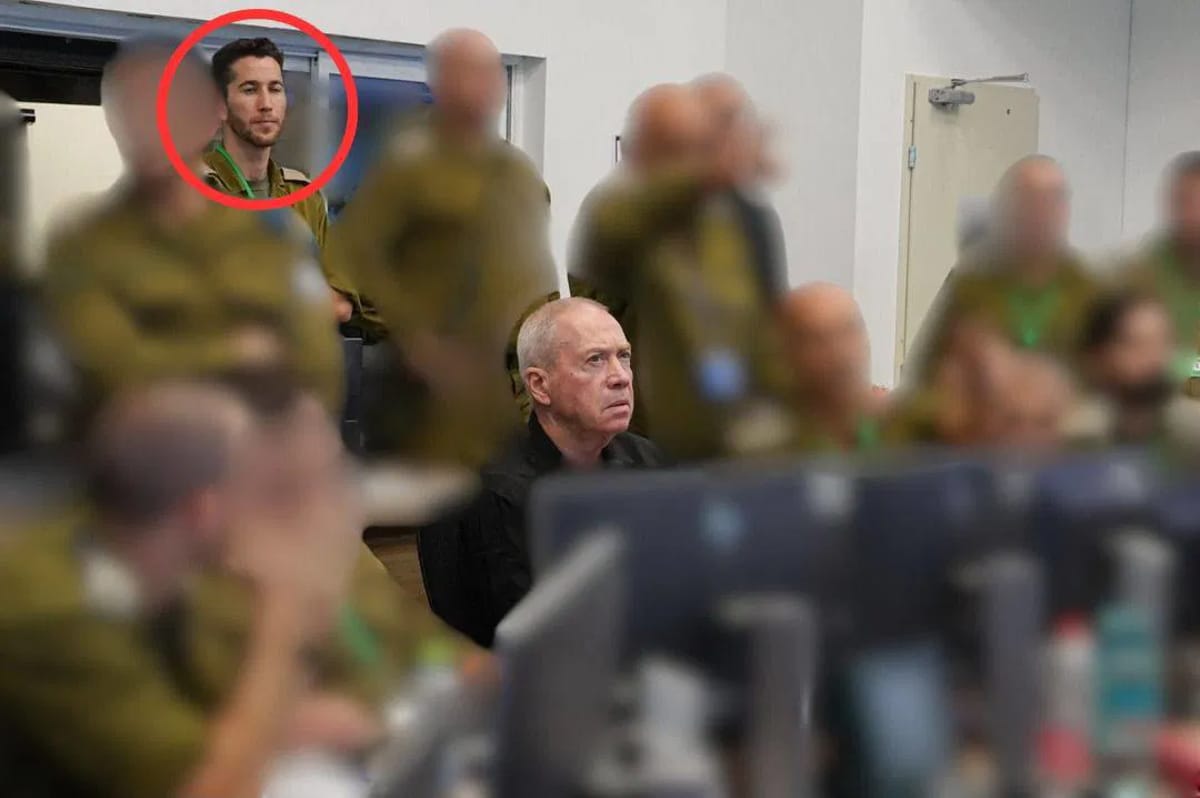
In a stunning security breach, Asaf Shmulevitz, a practicing attorney, managed to impersonate an IDF captain and infiltrate military command centers during the early days of the war, where he recorded classified conversations and passed information to people who had no clearance to receive it.
Supreme Court Justice Gila Canfi-Steinitz shot down Shmulevitz's appeal to keep his identity hidden, upholding the Beersheba District Court's original decision to publicly name him.
Shmulevitz is being defended by former Deputy Chief Military Defense Attorney (Lt. Col. res.) Efrat Nachmani-Bar and Attorney Noam Weiner.
The case raises serious questions about IDF security, especially during wartime. How did a civilian manage to pretend to be an officer and walk into sensitive facilities? Were there gaps in identity checks? And how much damage could the leaked information cause? These questions still don't have clear answers.
According to what's been allowed for publication, Shmulevitz successfully posed as a captain and got into several military situation rooms right after Operation Swords of Iron began. While there, he recorded secret conversations, gathered sensitive information, and sent it to people who weren't authorized to have it. The exact details of what was leaked and who received it haven't been fully revealed yet.
During the Supreme Court hearing, prosecutors asked to keep the ranks of senior officers involved in the case confidential, including major generals and a general. The request alone shows just how sensitive this case is and how high up the chain it goes.
Justice Canfi-Steinitz rejected the defense's attempt to keep Shmulevitz's name out of the public eye, deciding that people have a right to know about this breach, which outweighs his privacy concerns.
Court documents show that Shmulevitz "recruited himself" without getting an official Order 8, the proper authorization. This has sparked a heated dispute between prosecutors and the defense about what actually happened.
Shmulevitz insists he wasn't sneaking around. He says he reported to a brigade after being invited by an officer, just like thousands of other reservists did during those first chaotic days of the war. He claims he used his real name, went through security clearance, and got official approval to serve. His lawyers are crying foul, pointing out that other soldiers were approved after the fact using the exact same process.