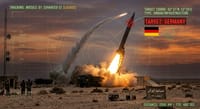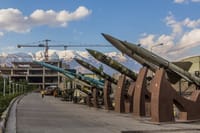
In a significant organizational shift prompted by the current war with Iran, the IDF Intelligence Directorate (Aman) has established a specialized new department dedicated to Open Source Intelligence, or OSINT. This unit, revealed for the first time on Tuesday, is designed to process and analyze massive amounts of public information from social media, traditional news outlets, and messaging apps like Telegram. Under the leadership of Major General Shlomi Binder, the head of Aman, this array has become a critical pillar of the Israeli military's ability to track developments within Iran as they happen. By harnessing the flood of videos and posts shared by Iranian citizens, the IDF has gained a "digital window" into the regime's military preparations and the internal chaos following coalition strikes.
Turning Public Data Into Combat Power
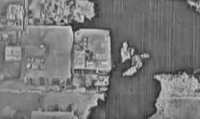
The new OSINT unit combines the expertise of intelligence analysts with cutting edge technology to sift through millions of data points every day. Since the start of the widespread protests in Iran, the unit has been focusing its efforts on the Iranian sector, providing early indications of regime movements that have proved invaluable on the battlefield. An intelligence official explained that this public data serves as a "complementary layer" to traditional classified sources like satellites or human assets. "The open information is checked and cross-referenced with other sources in order to understand processes in real time," the official noted. This allowed the IDF to verify the success of airstrikes and track the movement of missile launchers based on cell phone footage uploaded by locals.
The Power of the Crowd
The formation of this unit represents a realization that in the modern era, some of the most important intelligence is hidden in plain sight. As the Iranian regime attempts to hide its losses, the Iranian people often record the aftermath of strikes or the movement of Revolutionary Guard convoys, unwittingly providing the IDF with precise locations and timing. By analyzing the metadata and visual cues in these videos, the OSINT array can build a comprehensive picture of the "ground truth" that would otherwise take hours or days to confirm through official channels. This capability has been particularly useful during "Operation Epic Fury," allowing the coalition to stay several steps ahead of the Iranian command structure.
Strengthening the Warning System
Beyond just finding targets, the OSINT unit is a major part of a broader effort to strengthen Israel's early warning systems. By monitoring trends on social media, the military can detect signs of impending attacks or shifts in regime policy before a single missile is fired. This proactive approach ensures that the IDF is not just reacting to threats but is anticipating them based on the digital footprint of the enemy. As the war continues, the OSINT department is expected to grow even further, becoming a permanent and essential part of Israel's national security apparatus in an increasingly connected world.