As Israel watches the U.S.-Iran talks in Switzerland with a mixture of alarm and bewilderment, a former senior IDF intelligence officer is offering a strikingly different reading of what is actually happening, and why the picture may be less dire than it appears.
Lt. Col. (res.) Amit Yagur, formerly a senior figure in IDF Military Intelligence and Naval Intelligence, spoke to Kikar HaShabbat on Monday in an extended strategic analysis of the negotiations, arguing that Trump is not acting impulsively or betraying Israel, but executing a deliberate and calculated move aimed at neutralizing Iran's most dangerous strategic card: the threat to close the Strait of Hormuz.
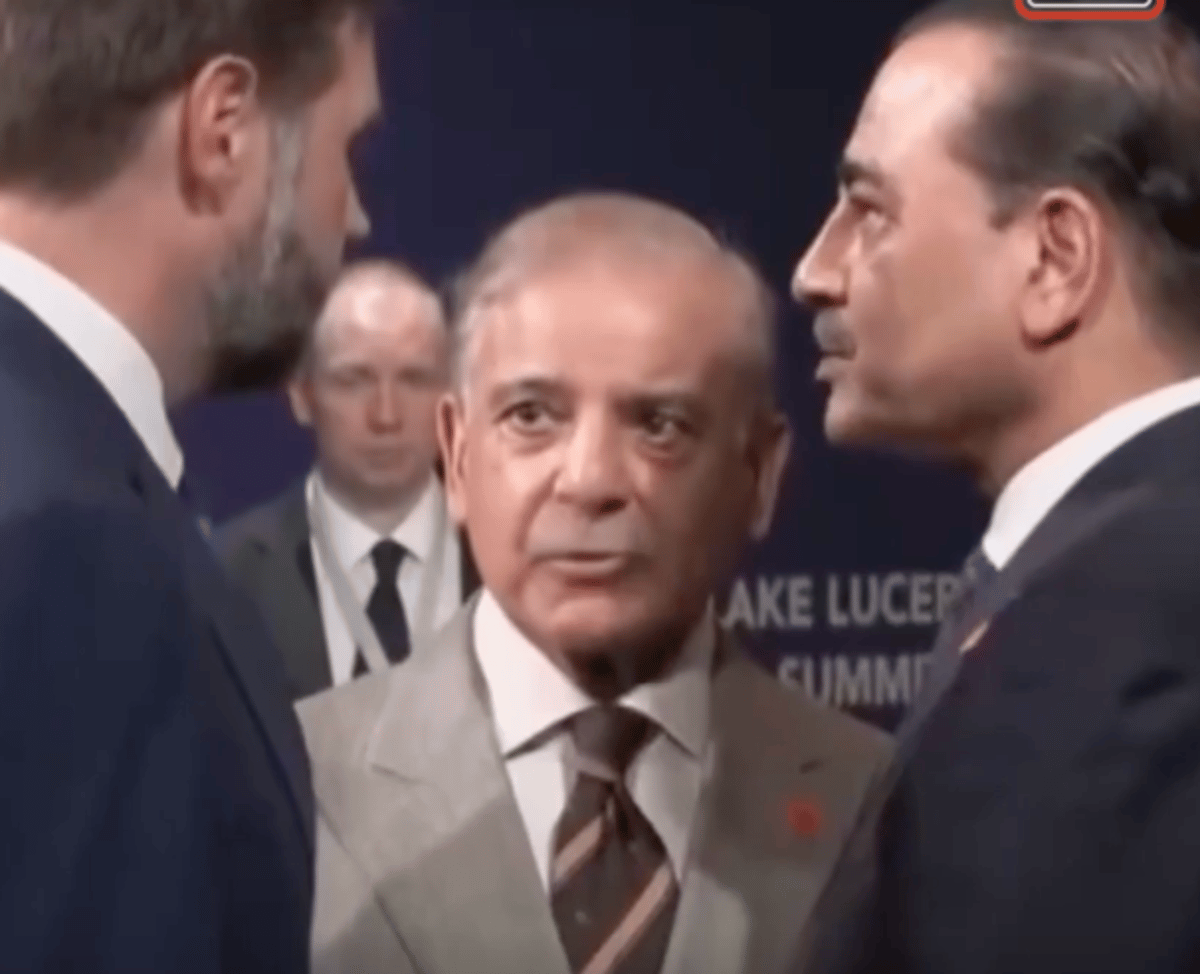
The optics, Yagur acknowledged, are genuinely bad. Iranian mockery videos have gone viral. The Iranian delegation in Switzerland refused to be photographed alongside Vice President JD Vance. The senior Iranian delegation has since departed, leaving only technical-level talks, while Vance remains in the region. Egypt and France have publicly accused the Trump administration of giving Tehran everything it wanted. And Israel has maintained a conspicuous official silence throughout.
But Yagur pointed to a telling data point: Senator Lindsey Graham, one of Trump's closest allies, emerged from a lengthy personal meeting with the president over the weekend "completely calm," having come away with a clear understanding of where the process is ultimately headed. That, Yagur argued, is not the profile of a president who has lost his way.
In Yagur's analysis, the Trump administration is applying the same tactical logic it used in the Gaza ceasefire negotiations: reach a framework agreement that neutralizes the enemy's primary bargaining chip first, then enter extended negotiations on the final details from a position of strength.
In the Iran context, the primary bargaining chip is the Hormuz threat and its downstream effect on global energy prices. Trump's immediate objective is to reopen the strait, bring down fuel costs, and stabilize the economy before September. Absorbing short-term reputational damage, in this reading, is a price Trump has consciously decided to pay in pursuit of a longer-term strategic position. "He who laughs last," Yagur said.
The analysis does not stop at American strategy. Yagur offered a detailed and unsettling portrait of the regime in Tehran, arguing that the Iranian government's apparent confidence is a facade masking a system on the edge of internal collapse.
The regime is now at one of the lowest points in its 47-year history, he said. Iran is suffering from severe and sustained shortages of water, electricity, medicine, and basic goods. The education system has been shuttered. The economic situation is so desperate that the regime cannot meet its regular payroll obligations to its own security forces and has been forced to hire foreign militias to suppress the widespread protests that erupted last week.
As the brutal summer months approach, with temperatures expected to exceed 40 degrees Celsius and demand for electricity and water set to spike sharply, the regime is, in Yagur's words, "desperate for oxygen." Iran's current demand for a $10 billion injection and a reconstruction fund, he argued, reflects that desperation, but the sum would be a drop in the bucket, and without a massive infusion of capital, the regime's stability over the coming summer is genuinely at risk.
On Lebanon, Yagur made an argument that cuts against the dominant Israeli narrative of humiliation and exclusion. Israel's absence from the emerging U.S.-Iran framework on the northern arena, he said, is not necessarily a sign of weakness. It may in fact prove to be a significant strategic advantage.
Because Israel has not signed onto any agreement, it retains complete freedom of action to strike Hezbollah threats at any time and remains entirely unconstrained by international commitments. Furthermore, when this fragile agreement fractures, as Yagur expects it will given Iran's track record, the international community will have no basis to assign blame to Jerusalem or to hold Israel to any framework it never accepted.
Yagur closed with a prescription for how Israel should manage the coming period. On the public diplomacy front, he argued Israel should hold a mirror up to Washington and the world by asking a simple question: how would the United States respond if Russia or China established a terrorist base in Mexico on the Texas border, or if a Panamanian leader threatened to close the canal? The answer, he said, is self-evident, and America would act with overwhelming military force without any negotiations.
On the strategic front, Israel should leverage its unique assets and deepen the counterweight axis it is building in partnership with the United States, Greece, and Cyprus, as reflected in the inauguration of the new energy hub in Texas last week. The decisive next step, in his view, is restoring the IMEC international transportation corridor to active planning in close coordination with India, as a durable long-term counterweight to countries like Pakistan, Qatar, and Turkey that are working to preserve the old and dangerous regional order.