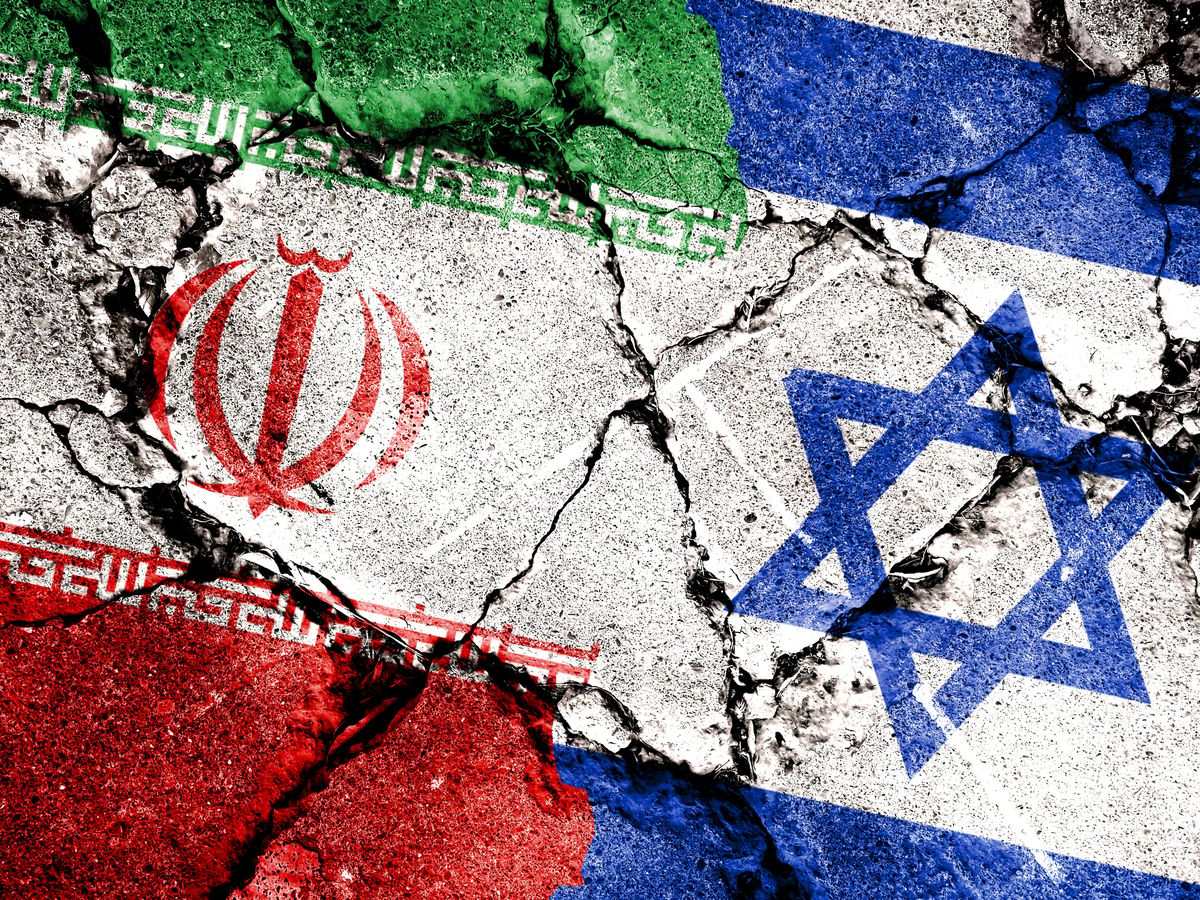
A four-hour cabinet meeting that ran deep into Wednesday night left Israeli ministers with a stark conclusion: Iran is unlikely to comply with the terms of the two-week ceasefire, making a return to strikes "highly likely" once the window expires, as reported by Walla!
Prime Minister Benjamin Netanyahu, briefing ministers on the ceasefire terms and the extent of damage already inflicted on Iranian capabilities, offered a blunt summary of the diplomatic standoff. "The demands of the United States and the Iranians do not align," he said. "We will wait and see."
He also told the cabinet that Washington had committed to one outcome above all else: the removal of Iran's uranium stockpile. "Americans have committed to removing the uranium, either through negotiations or by resuming the war," Netanyahu said, according to sources present at the session.
A ceasefire unraveling before it began
The ceasefire announcement was meant to be a turning point. Within hours, it had turned into a diplomatic tangle. Iranian and Pakistani officials described a broad halt across "all fronts," including Lebanon. Washington and Jerusalem told a different story.
President Donald Trump stated explicitly that the arrangement does not cover Lebanon or Hezbollah, a position that followed direct pressure from Netanyahu's office. In a phone call with Trump minutes before the announcement was made public, Netanyahu insisted that Israel's freedom of action in the northern arena must not be constrained by any ceasefire deal.
Tehran has pushed back hard. Iranian officials now say that continued Israeli strikes in Lebanon constitute a violation of the agreement, and they are threatening to withdraw entirely, and to keep the Strait of Hormuz closed, if Israel does not halt those operations.
The clock is ticking
With two weeks on the clock and the parties already offering contradictory accounts of what they agreed to, the prevailing view inside Israel's cabinet is that the ceasefire will not hold. The session, which began at 10 PM and stretched until the early hours, conveyed one consistent message to those in the room: the gap between what Iran is willing to do and what the US is demanding remains wide, and if it doesn't close, the war resumes.