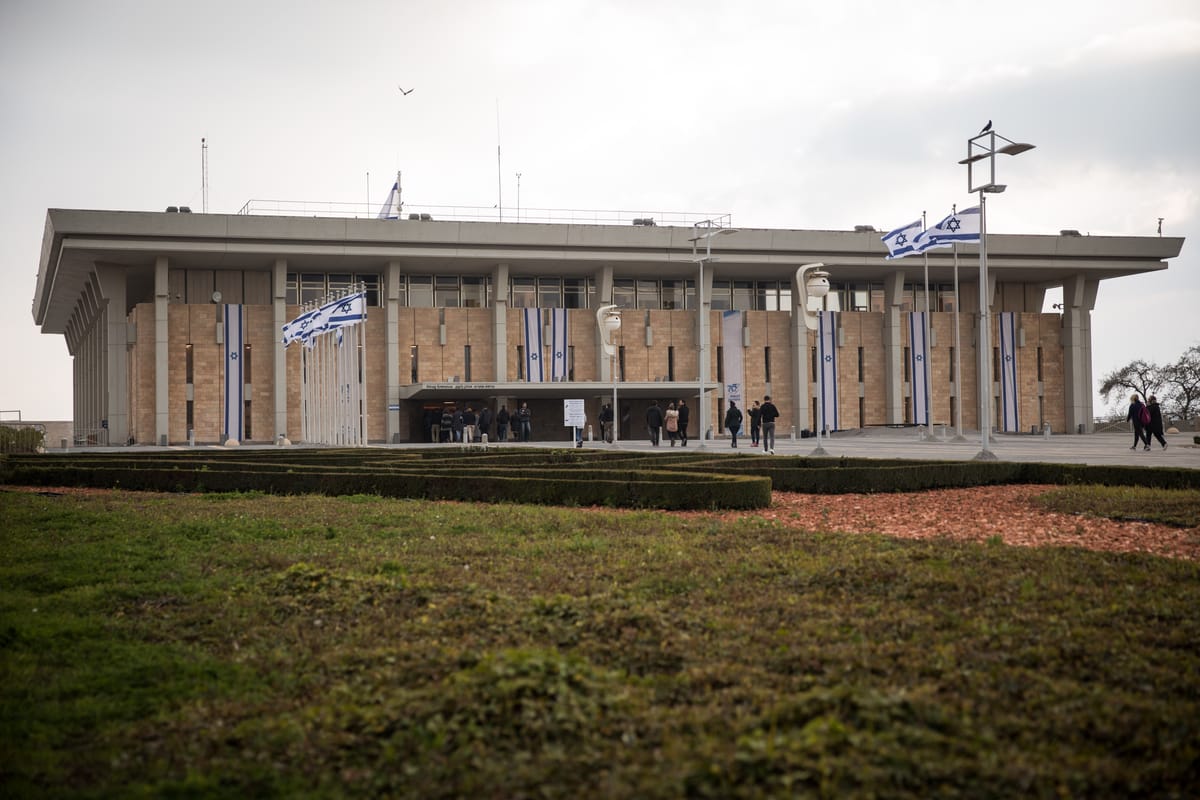
The Knesset is set to return from its six-week spring recess on May 10, with the coalition preparing to advance a series of contentious bills on the Haredi draft exemption, the October 7 investigation, media regulation, the attorney general’s powers and commemoration of the Hamas-led massacre.
The most politically explosive measure is the coalition’s bill to enshrine broad military service exemptions for full-time Haredi yeshiva students. The proposal is currently before the Foreign Affairs and Defense Committee, but no new hearings have been scheduled. Its future remains uncertain amid opposition from senior IDF officials, the attorney general, parts of Likud and factions within United Torah Judaism.
The bill would regulate the status of yeshiva students while maintaining exemptions for many in the Haredi community. Critics say it contains major loopholes and would fail to address the IDF’s manpower shortage, with roughly 80,000 Haredi men aged 18 to 24 believed to be eligible for service but not enlisted.
The coalition is also expected to push a bill establishing a politically appointed inquiry into the failures surrounding October 7. The proposal, sponsored by Likud MK Ariel Kallner, passed a preliminary reading in December and is now being prepared for its first full plenum vote. Critics say it is meant to avoid an independent state commission of inquiry, which remains widely supported by hostage families, bereaved families and the opposition.
Another bill would create a special military tribunal to prosecute terrorists captured during the October 7 attacks. The tribunal would handle the cases of around 300 terrorists held in Israel since the massacre and could charge them with genocide under Israeli law, potentially carrying the death penalty. Constitution Committee chairman Simcha Rothman has said he wants the bill brought to a final vote by mid-May.
The coalition is also advancing Communications Minister Shlomo Karhi’s media overhaul, which would establish a new regulatory council with broad powers over broadcasters and news outlets. Legal advisers and Attorney General Gali Baharav-Miara have warned the bill could undermine press freedom and allow political interference in the media.
Lawmakers are also continuing work on legislation to split the attorney general’s role into three separate positions, a move critics say would weaken a key check on executive power and politicize prosecution.
A more broadly supported bill would establish an official national memorial day for October 7, marked on the 24th of Tishrei. Even that measure has drawn criticism from bereaved families after the word “massacre” was removed from the title at the request of the Prime Minister’s Office.