Get our mobile app
Download on the App StoreGet it on Google Play

Israeli Intelligence

Mossad Chief Rejects Colonel G's Request

Despite speculation that Gofman would reward the intelligence officer who submitted a court affidavit supporting his appointment, the Mossad director turned down his request for a senior position

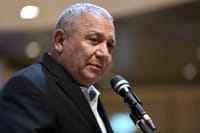
Mossad Chief Roman Gofman

Mossad director Roman Gofman has informed Colonel G that his request for a senior position in the intelligence agency has been denied and that he will be returning home, Channel 12's Omri Maniv reported Thursday evening.

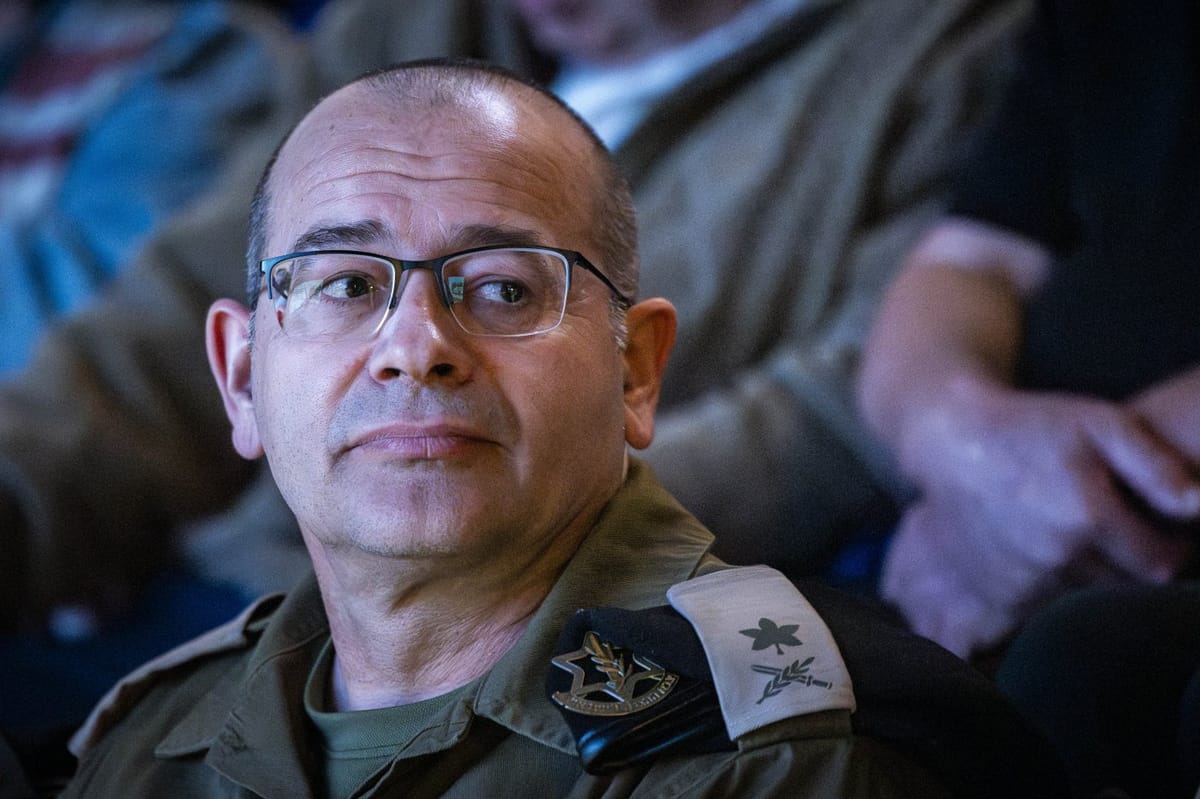
Colonel G, who headed the operations division of Military Intelligence (Aman) on October 7, was reassigned after the IDF Chief of Staff decided he would not continue in that role. He was subsequently loaned from the military to the Mossad and had hoped to secure a permanent senior position within the organization.

Maniv noted that Colonel G's affidavit to the Supreme Court regarding the handling of informant Uri Almakias had paved the way for Gofman's appointment as Mossad chief. Questions had been raised about whether Gofman would "reward" the colonel for his support, but instead, the Mossad director showed him the door.


Colonel G submitted a classified affidavit in the Uri Almakias case as part of a Supreme Court petition challenging Gofman's appointment as Mossad director. The Almakias affair involved questions about the handling of an informant.

According to the affidavit, which was classified as "top secret," Colonel G testified that since 2022 he had not discussed the informant operation with Gofman "in any form or manner," as he phrased it. Additionally, Colonel G emphasized that he had not discussed his future career path at the Mossad with Gofman.

"I did not request nor did I initiate any approach to Major General Gofman regarding my future path at the Mossad, either directly or indirectly," Colonel G stated in his affidavit. He also addressed the Almakias operation, saying he had made clear to Gofman that he was prohibited from investigating or discussing the matter.

"The brigade commander noted that he would want to check the matter with his superiors in order to respond with certainty," Colonel G wrote in his testimony. "However, following the clarification at the beginning of the conversation and the instructions I received, it was made clear to him that this should not be done since the investigation was ongoing and it could harm it."

Ready for more?

Join our newsletter to receive updates on new articles and exclusive content.

We respect your privacy and will never share your information.

Enjoyed this article?

Yes (17)
No (1)
Follow Us:

Unmissable content


Loading comments...

Also of Interest