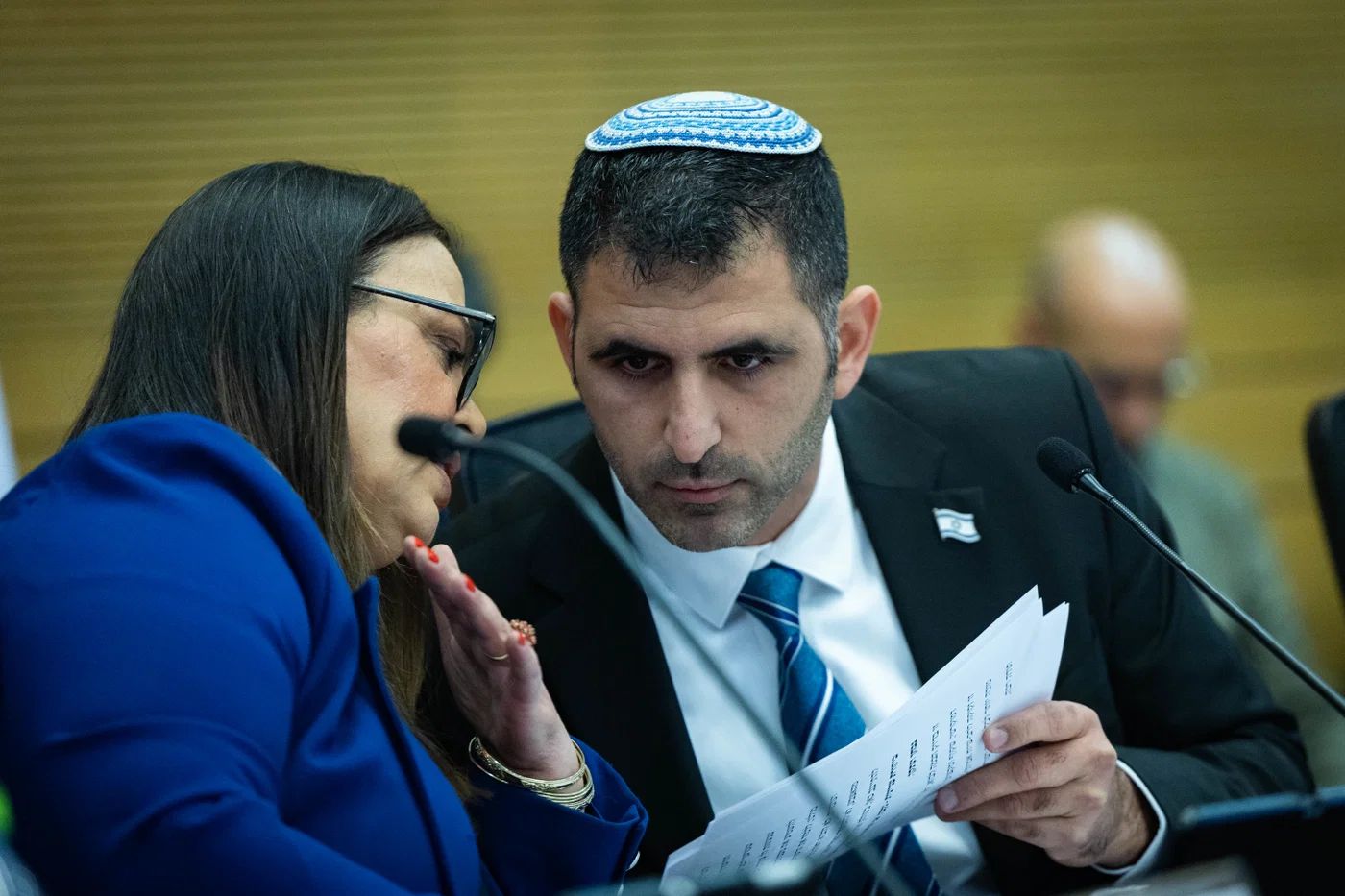
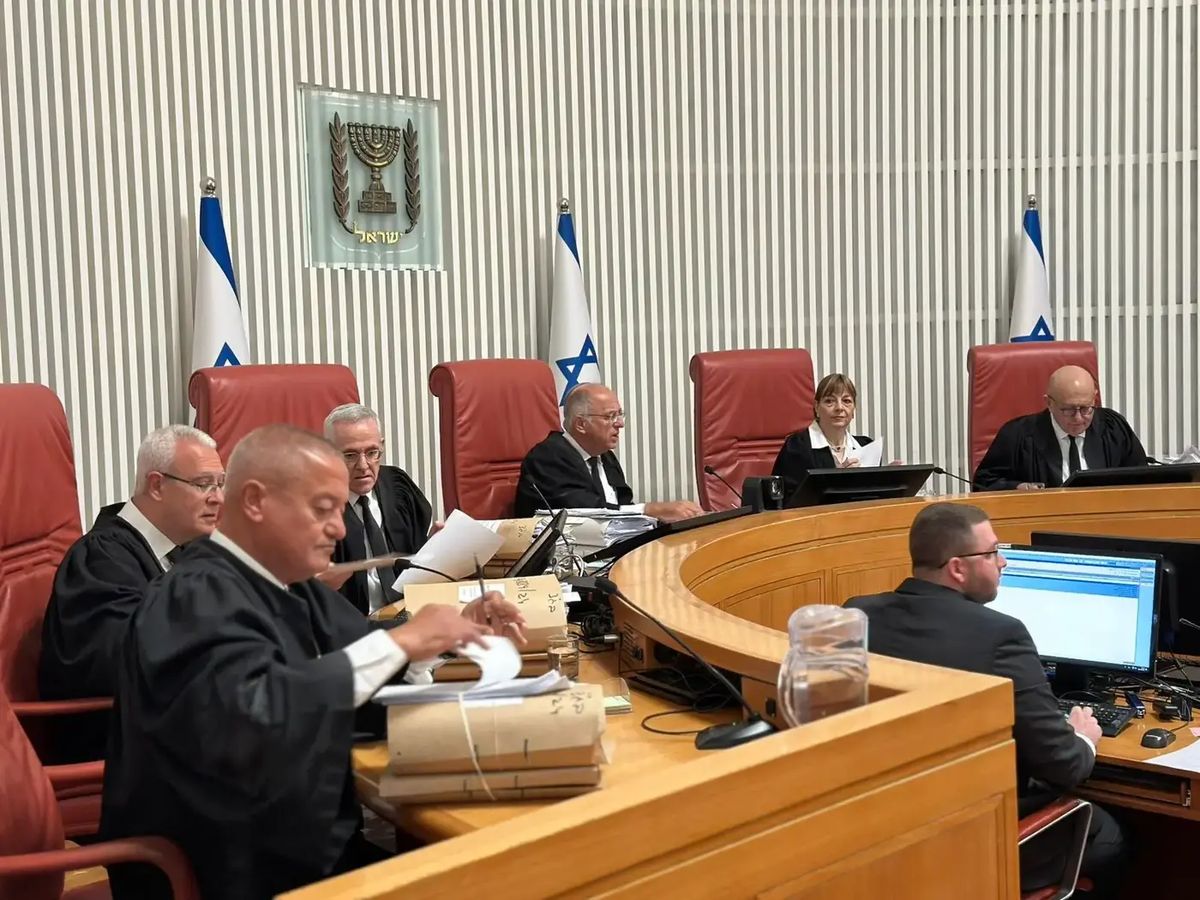
The Israeli Supreme Court heard oral arguments in a high-profile petition challenging Communications Minister Shlomo Karhi’s directive to halt all government advertising and subscriptions to the left-leaning daily newspaper Haaretz.
The petition, filed by the Union of Journalists in Israel, accuses Karhi of utilizing state resources to financially penalize a critical media outlet. The legal battle marks the latest flashpoint in an ongoing friction between the Israeli government and independent press institutions.
The Legal Challenge Over Haaretz Sanctions
The petition centers on instructions issued by Karhi to government ministries and state-funded bodies to freeze all commercial ties, official notices, and subscriptions to Haaretz. Additionally, the distribution of the newspaper within the Knesset, Israel's parliament, has been restricted.
The Union of Journalists argues that the directive sets a dangerous precedent, leveraging public funds to punish editorial stances. Representatives for the government, however, maintain that state agencies should not financially support a publication that critics accuse of undermining national morale during an ongoing security crisis.
Part of a Broader Media Overhaul
The sanctions against Haaretz are part of a broader, systemic effort by Karhi to reform Israel’s media landscape. Since taking office, the communications minister has consistently targeted publicly funded media institutions.
Key targets of Karhi's legislative agenda include:
- The Kan Public Broadcasting Corporation: Karhi has repeatedly attempted to defund or shut down Kan's influential television and radio news divisions, arguing that public funds should not bankroll media operations.
- Galatz (Army Radio): The military-operated station has faced renewed government pressure and threats of closure, though it continues to broadcast amid ongoing political debate.
Media advocacy groups view these combined efforts as an organized campaign to weaken independent journalism and consolidate government influence over public discourse.
Echoes of Global Media Battles
The escalating conflict between the Israeli government and the press has drawn sharp criticism from free-speech advocates, who view the financial targeting of Haaretz as a form of state-sponsored censorship. Analysts note that Karhi’s aggressive tactics mirror rhetoric and strategies observed globally, drawing direct parallels to the political strategy utilized by U.S. President Donald Trump to delegitimize mainstream American media. Trump famously popularized the term "fake news" to dismiss unfavorable coverage, adopting a consistently dismissive and condescending tone toward mainstream outlets like CNN, and eventually bypassed traditional media entirely by launching his own platform, Truth Social.
Furthermore, free-press advocates frequently point to the controversial May 2026 cancellation of CBS’s The Late Show with Stephen Colbert as an example of the indirect chilling effects of this environment. While the network cited financial reasons for retiring the franchise, the decision sparked intense public backlash and allegations of political motivation, coming immediately after Colbert sharply criticized corporate decisions involving the Trump administration.
Critics argue that whether through direct government mandates or corporate anticipation of political retaliation, such patterns represent a dangerous blueprint for stifling dissenting voices.