In a dramatic move that has left municipal leaders across Israel scrambling, the Home Front Command has disabled the civilian interface of the "Shual" system, the nation’s primary tool for emergency command and control. The decision follows intelligence reports that sensitive impact data was being leaked to social media groups, potentially allowing Tehran to "correct" its missile fire in real-time.
The "Shual" System: A Critical Tool Goes Dark
The Shual system (National Home Front Command and Control) serves as the digital backbone for emergency response. It provides local authorities, rescue services, and liaison officers with a real-time "polygon" map showing the exact location of missile impacts and damage zones.
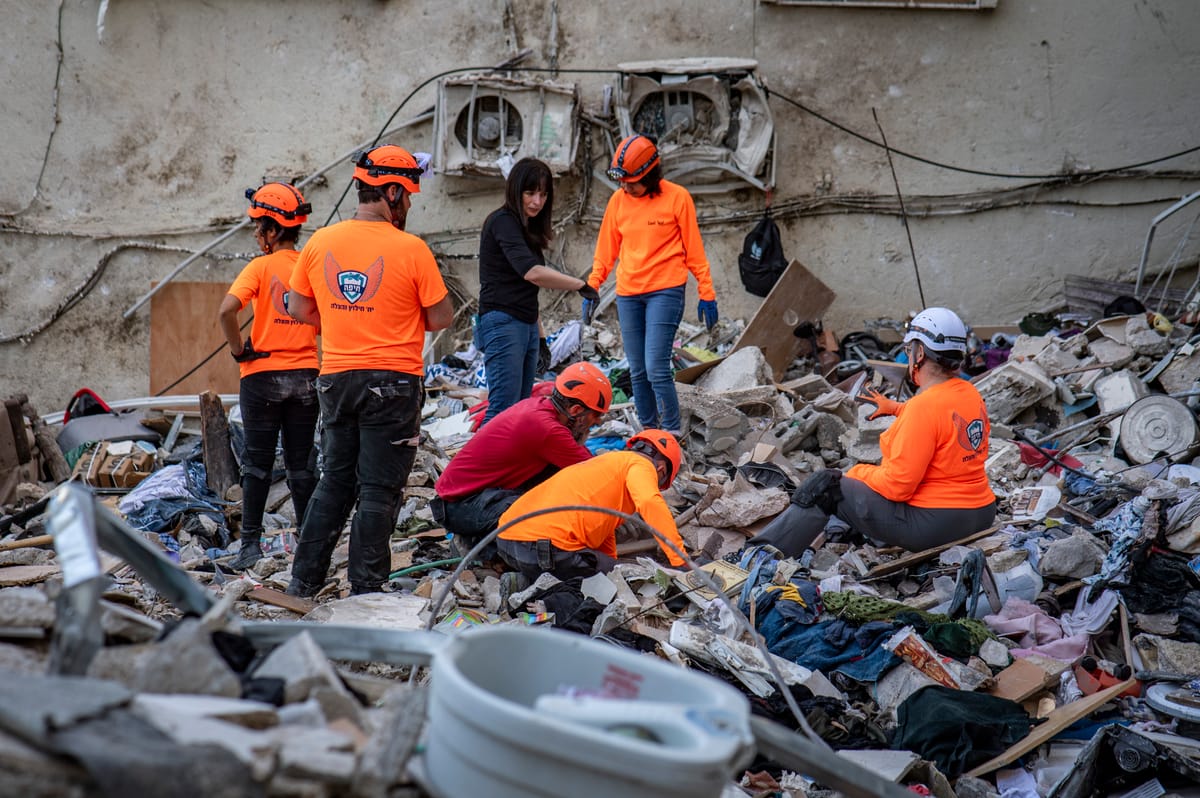
By disabling access for civilian officials, the military has effectively cut off local municipalities from the live data feed they rely on to dispatch fire, medical, and police units to precise coordinates.
Shin Bet Investigation: The Telegram Leak
The shutdown coincides with a targeted crackdown by the Shin Bet (ISA). In recent weeks, several administrators of prominent WhatsApp and Telegram "alert" channels have been summoned for urgent questioning.
The Investigation Details:
- Pre-Siren Alerts: Authorities identified groups that were publishing launch reports from Iran and Lebanon seconds before the official "Red Alert" sirens were activated.
- Sensitive Data: These groups were reportedly sharing specific impact locations and technical data pulled directly from internal military-civilian interfaces.
- Restricted Release: The group managers were released under restrictive conditions, with the Shin Bet warning that such leaks constitute a direct threat to national security.
The Ballistic "Feedback Loop"
Security officials justify the blackout by pointing to a tactical shift in Iranian warfare. Military analysts explain that when an Iranian missile hits a specific building, and that location is immediately shared online or via hacked systems, it provides the IRGC with "Battle Damage Assessment" (BDA).
By knowing exactly where a missile landed compared to its intended target, Iranian engineers can calculate the deviation and adjust the GPS coordinates for the next salvo to ensure a direct hit. "We are essentially providing them with a free calibration service," a security source noted.
Municipal Backlash
The decision has sparked outrage among local mayors, particularly in northern and central Israel. Municipal leaders argue that while cybersecurity is paramount, "blinding" the first responders on the ground is a dangerous gamble. Without the Shual system, local teams are forced to rely on 100-system calls and visual sightings to locate impact sites, significantly slowing down rescue efforts.