Is winter coming?
"Byron" Takes Israel by Storm | WATCH
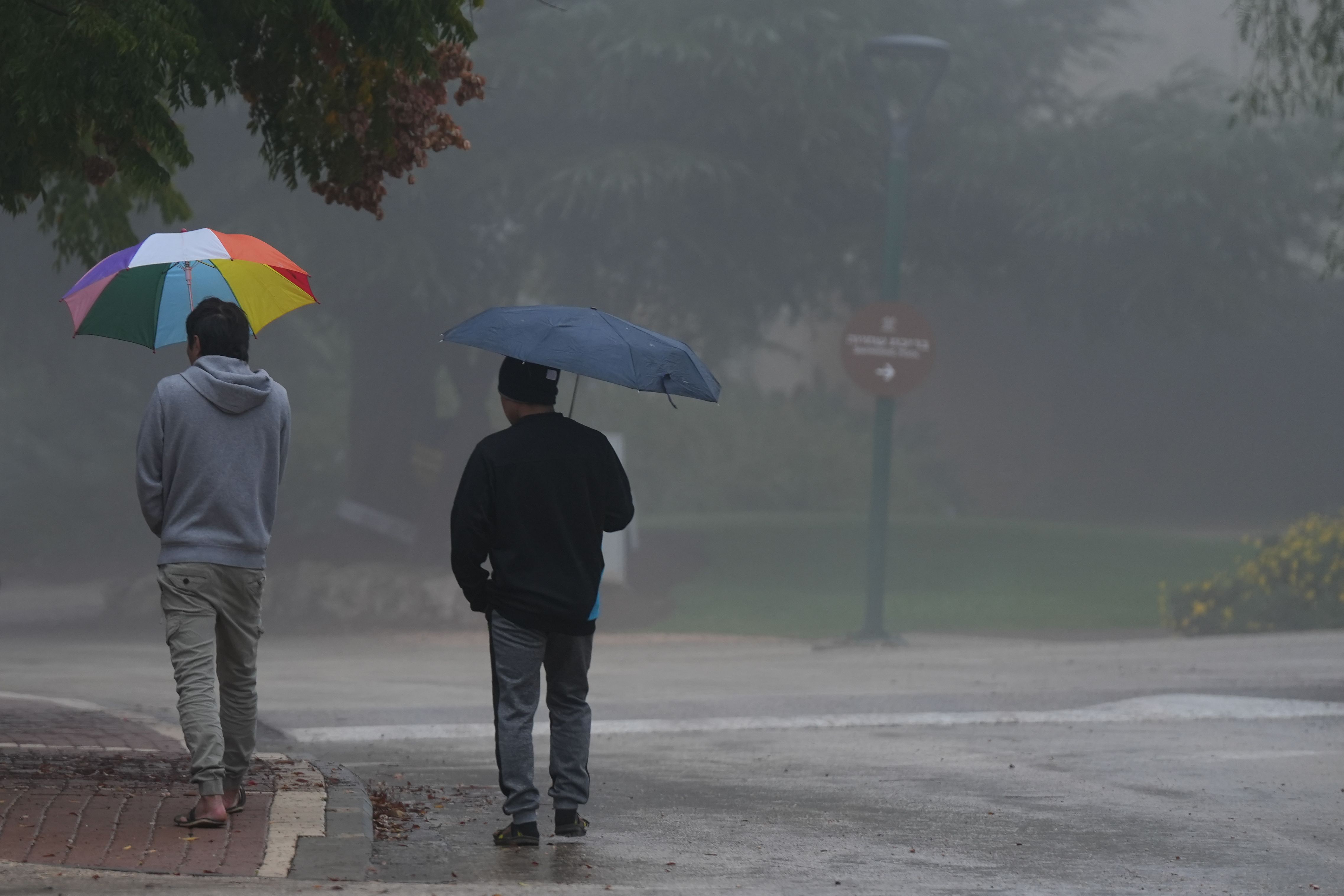
Winter-loving citizens disappointed by amount of rain in central Israel as Storm "Byron" reaches its peak. Flooding in north and south.

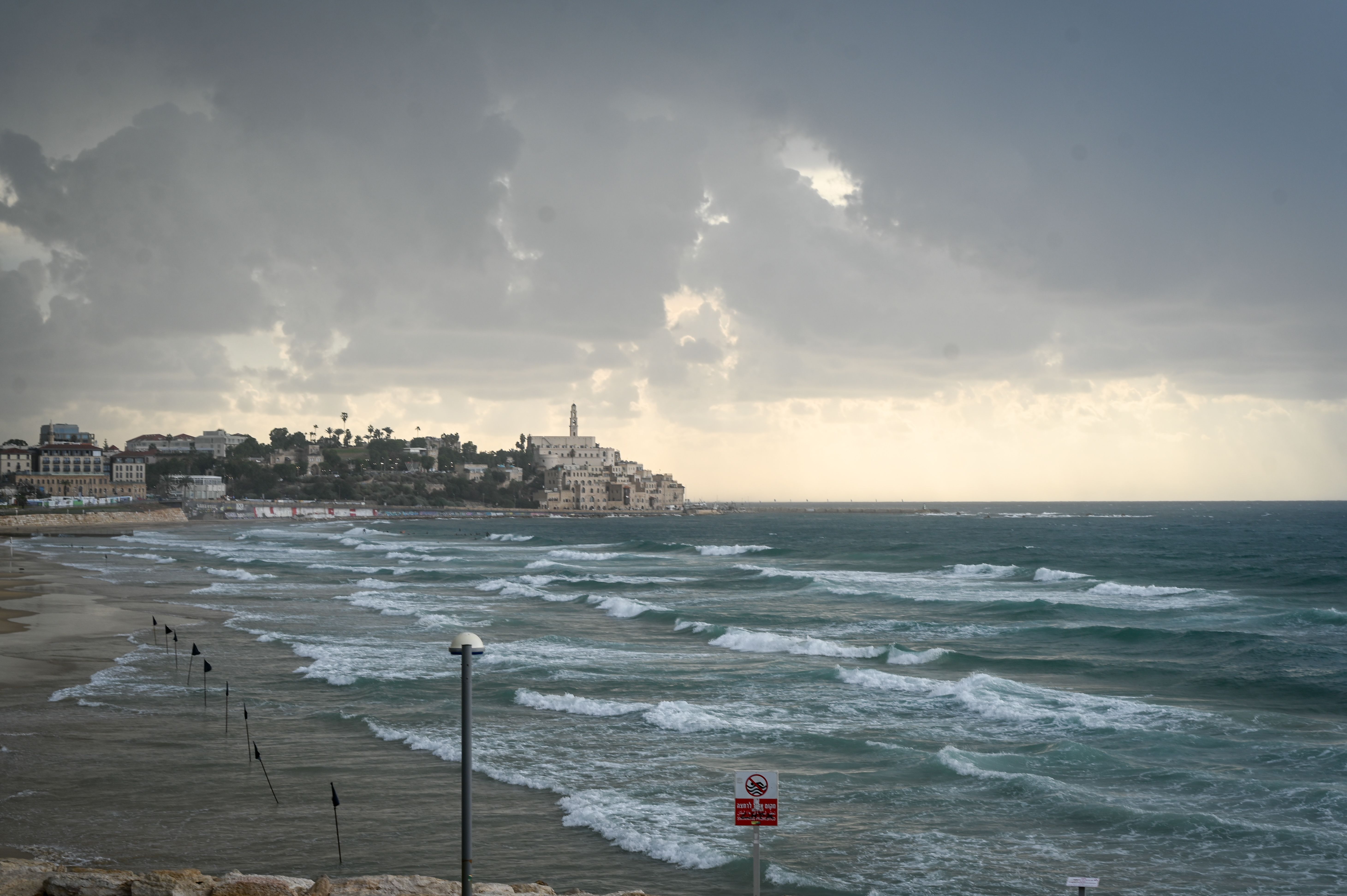
Storm Byron reached full force on Thursday, bringing intense rainfall, flooding risks and widespread disruptions across Israel as meteorologists warned that the system would not fully clear until Friday.
The Israel Meteorological Service issued a red warning for the central and southern coastal plain and the Shfela, forecasting an exceptional 100 to 150 millimeters of rain between early morning and 22:00. An orange flood warning was also posted. The heaviest rainfall during the morning was centered on the Tel Aviv region, shifting south toward Rehovot and Ashkelon by midday.

Overnight totals were significant along the Carmel ridge, where Kibbutz Ein Carmel recorded 49 millimeters, reaching more than 140 millimeters over the past two days. Many central cities logged between 30 and 55 millimeters since Wednesday, including Tel Aviv, Beit Dagan, Kfar Habad and Herzliya. Northern communities such as Zichron Yaakov, Atlit and Haifa also posted substantial amounts.
Thunderstorms, power outages and localized flooding were reported from Lebanon’s border to the northern Negev. In the Arava, heavy runoff temporarily closed Route 90 in two locations. Israel Railways urged passengers to use caution on platforms and near track crossings.
The IDF imposed a leave ban until Friday morning and sharply restricted training activity, citing past tragedies in severe weather. Ground navigation drills, long marches and all non essential field activity were suspended. Only essential security missions were permitted, with administrative movement requiring senior approval.
Snow fell on upper Hermon outposts overnight. Local officials said accumulation had not yet reached the lower ski area but expressed hope that weekend conditions would allow it to open soon.
Health officials urged older adults and families with infants to keep homes heated to at least 21 to 24 degrees Celsius and maintain indoor humidity to avoid respiratory issues.
The storm also struck Gaza, where already battered infrastructure buckled under the rainfall. Local reports described widespread flooding, collapsed tents and failing power supplies. Gaza City’s mayor said emergency crews worked through the night but lacked equipment after extensive wartime damage, leaving families to dig trenches and bail out water by hand.