Living with Hamas

"They Called Me Sheikh Yosef": Freed Hostage Recounts Daily Talks with God, Starvation, and the Moment He Thought 'This Is It'

A little over two weeks after his release, former captive Yosef Chaim Ohana recounts the hell he endured in Hamas’s underground bunkers. He describes the abuse and beatings he suffered, the time spent in tunnels, and the meager food he was given. He also talks about Operation Arnon, which he heard about from a short distance away, and what followed in Israel.

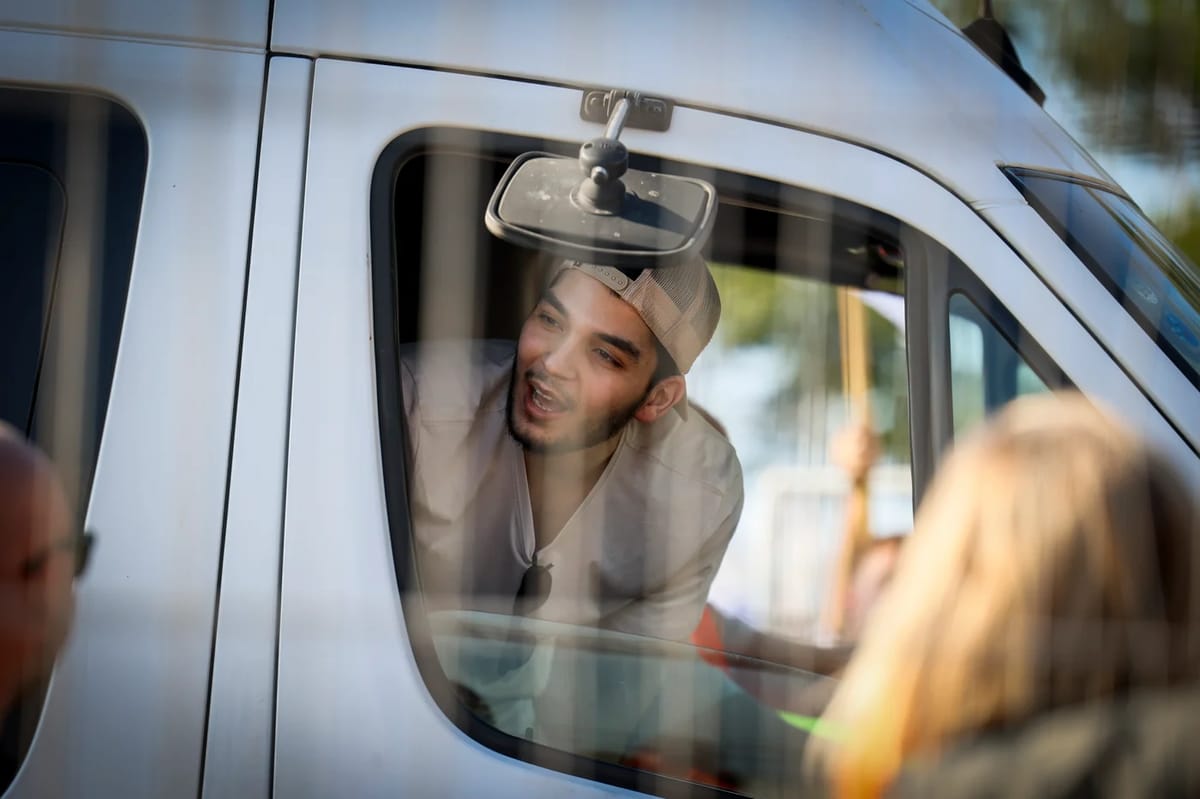
Yosef Haim Ohana
Yosef Haim Ohana (Photo: Yonatan Shaul/Flash90)

Just over two weeks after his rescue, Yosef Chaim Ohana, one of the longest-held Israeli hostages in Gaza, gave a harrowing interview about his two-year nightmare in Hamas captivity. He described beatings, starvation in underground tunnels, and attempts to convert him to Islam.

Speaking to Channel 12’s Amit Segal, Ohana spent nearly 11 months in a cramped, airless tunnel passage never meant for humans. He detailed psychological torment, physical collapse, and a deepening spiritual connection.“Every single day, I spoke to God,” Ohana said. “Not just asking to go home, but about the pain, the fear, the people with me. There wasn’t always someone to talk to. So I talked to Him.”

The Early Chaos: Running Through Bombed Streets

Ohana called the first months the most brutal.“We were moved from house to house. No plan. They didn’t know where to go. We’d be in a building, hear bombing, and run into the street with nothing,” he said. “One time, they bring food. We barely take a bite. Then bang on the iron door. That was the signal: the building’s about to collapse. We run 50 meters, look back. The house is gone.”

He walked through Gaza’s streets in disguise, separated from captors to avoid detection.“They were terrified someone would grab me and they’d get nothing. So I walked on one side of the street, them on the other.”

Ready for more?

Life in the Tunnels: "A Passage, Not a Room"

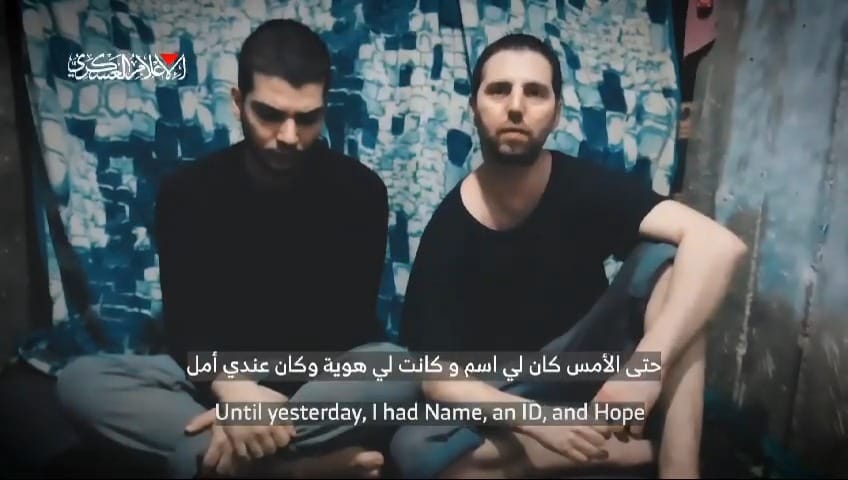
For nearly a year, Ohana was held with hostages Ohad Ben Ami and others in a narrow, dead-end section of a transit tunnel.“It wasn’t meant for people. Just a slightly wider spot in the corridor. Blocked at the end. They just threw us in.”

Food was scarce and often contaminated.“We ate things I never thought I’d touch. Worms. They said, ‘It’s protein.’ Not because we wanted to. They were on the food.”

Hunger became mental as much as physical.“There’s physical hunger. Your body needs food. Then there’s mental hunger: the terror that food won’t come. You get a portion after 20 hours and don’t eat it, because you’re afraid you’ll be starving later. You act crazy.”

Captors used a flickering light like a rat experiment. Clicking the power on and off signaled meals. Hostages debated who had the best rapport to beg for extra.

Loading...
In Hamas terror tunnels (Photo: Uncredited)

"Sheikh Yosef" and the Push to Convert

In his final two months, Ohana was isolated and spoke only Arabic.“They called me Sheikh Yosef,” he said. “Everything was through religion. They gave me a Quran. I asked questions, not because I wanted to convert, but to learn the language. I told them, ‘How can I learn Islam if I don’t speak Arabic?’”

Conversion pressure was constant.“The whole time, they offered it. In the end, they wanted me to become Muslim.”

Operation Arnon: "We Heard Everything"

Ready for more?

Ohana was just meters away when IDF forces stormed the building during Operation Arnon in June 2024 to free four hostages.“We heard the helicopters. They panicked. Dragged us into the bathroom. Loaded their weapons. Me, Sagui Dekel-Chen, and Maxim Herkin sat inside, held hands, and said, ‘We love each other.’ With a smile. Because we’d survived eight months. We made it this far.”

“It felt like it was about to end. Terrifying. But also peaceful. Then, nothing. Three days later, they moved us underground. And we stayed there until the end.”

A Spiritual Anchor in Darkness

Despite the horror, Ohana’s faith deepened.“I prayed every day, for myself, for the others, for the moment we were in. Not just ‘Get me out.’ I needed to talk. God was there.”

Now free, Ohana’s message is one of gratitude and urgency.“We must bring them all home. Every single one.”

Ready for more?

Join our newsletter to receive updates on new articles and exclusive content.

We respect your privacy and will never share your information.

Enjoyed this article?

Yes (227)
No (9)
Follow Us:

Loading comments...