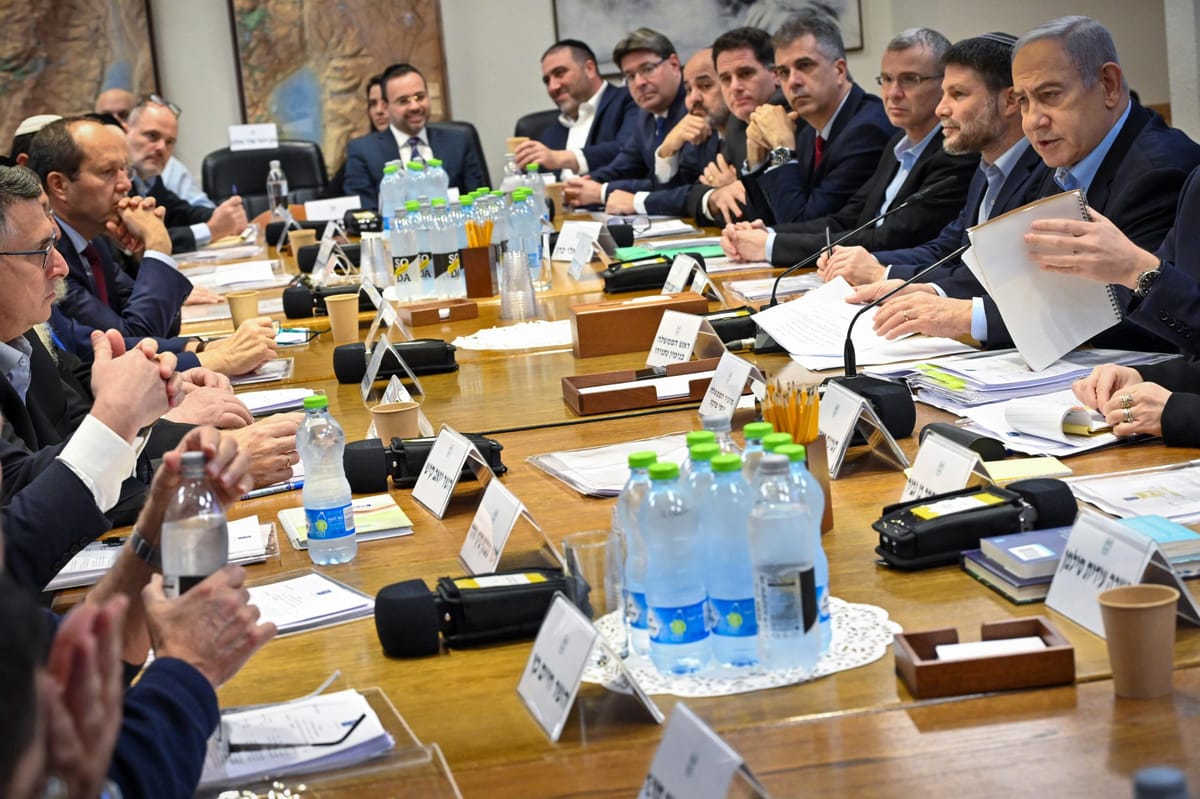
On the other hand, supporters of the move emphasize the complex security reality in which Israel finds itself. Urgent procurement, they argue, is not a luxury --- it is a necessity. Preparation for the Nukhba trials is also seen as part of bringing justice and sending a message to terrorists and to the world. The across-the-board cut, they claim, is the most efficient and rapid way to mobilize the required resources without reopening the entire budget.
The decision once again highlights the ongoing tension between security needs and civilian services. It raises questions about transparencym some of the procurement is classified, about long-term priorities, and about the manner in which cuts are decided: ostensibly equitable, but with unequal effects on different ministries and on citizens.
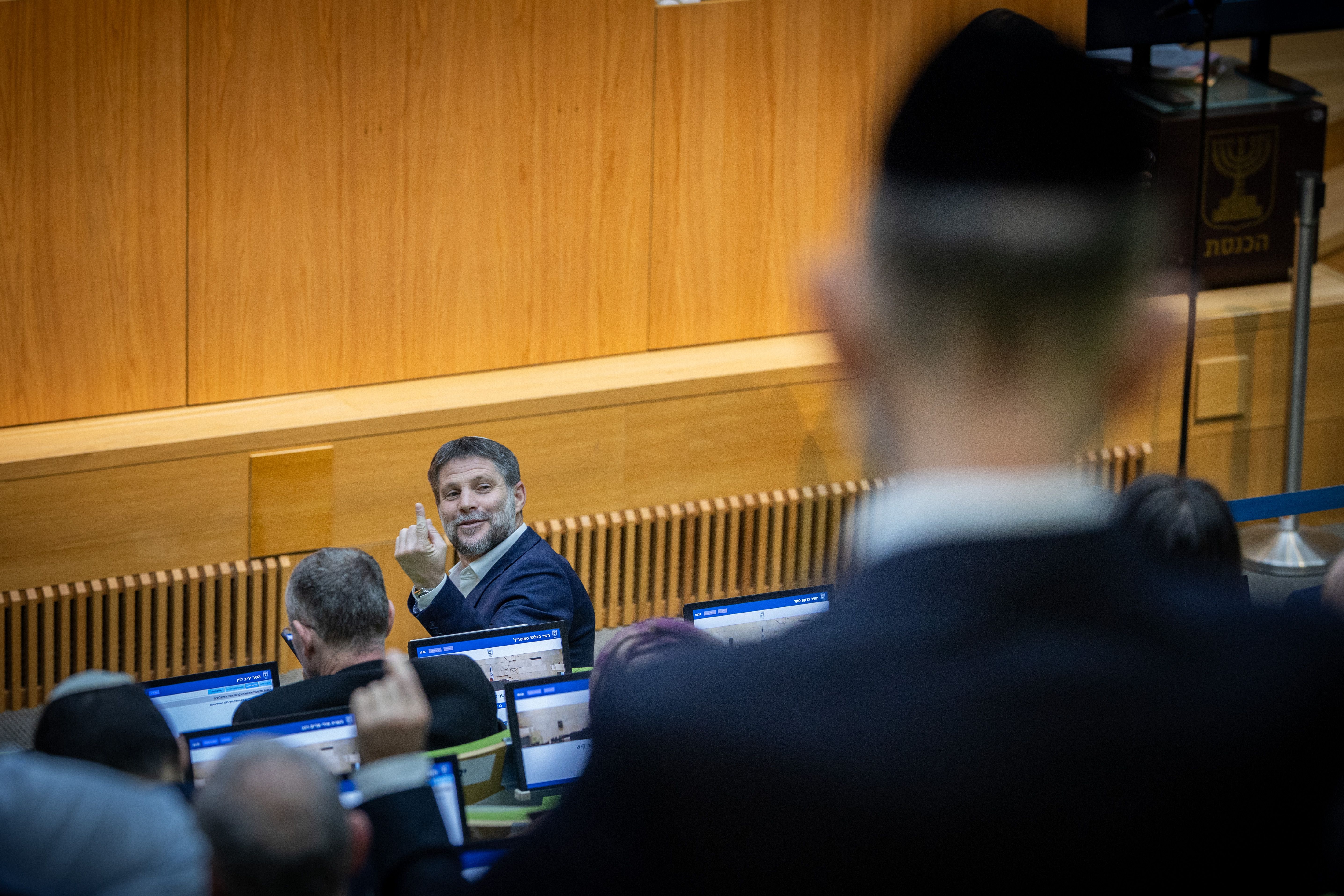
Last month, Finance Minister Bezalel Smotrich announced preparations for an additional fuel price subsidy, after prices rose again following the global energy crisis. The previous reduction cost the state treasury approximately 300 million shekels per month. Meanwhile, in May the High Court froze budgets for chareidi institutions that do not teach mathematics and English, in the amount of 98 million shekels.
In the coming days it will become clear how much the cut will be felt on the ground: whether transportation projects will be delayed, whether education programs will be damaged, and whether the welfare and health systems will manage to absorb the reduction without harming services. For now, the message from the government is clear: when urgent security funding is needed—everyone pays.