What has actually changed?
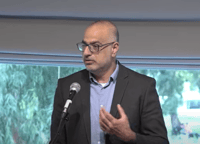
In conversation with Kikar HaShabbat, Idan Ring, vice president for community and society at the Israel Internet Association, outlined the threats posed by artificial intelligence and its products, which are especially important to recognize during election season:
False and misleading information: False claims, data stripped of context, partial quotes, or old information presented as current.
AI-generated, edited or altered content: Images, videos and audio recordings depicting events that never happened, created or manipulated using artificial intelligence to deceive.
Impersonation and source forgery: Fake accounts, fabricated screenshots, or messages impersonating reliable or official sources such as media outlets, candidates, or state and security bodies.
Coordinated campaigns and foreign influence: Networks of inauthentic accounts and bots operating in coordination, run by malicious or foreign actors attempting to influence discourse, create a false impression of mass support, amplify polarizing messages, and sow confusion and distrust.
Viral spread of unverified information: Rumors and unsubstantiated claims can spread rapidly by word of mouth, on WhatsApp and social networks, often long before anyone has checked whether they are true. This is especially the case during periods of crisis, conflict or widespread public interest, and particularly during elections.
AI tools as a source of information for voters: AI tools can present incorrect, outdated or incomplete information, even when the answer is phrased confidently and convincingly. Voters should not rely on recommendations, information and content provided by chatbots like ChatGPT, Gemini and others.