Get our mobile app
Download on the App StoreGet it on Google Play

Israel Elections

Inside Israel's special voting system

317 special polling stations across Israel, 101 abroad • Double envelopes counted at the Knesset the day after • Around 2,000 evacuees voted at dedicated stations • A rare look at the election apparatus for those who cannot reach their regular polling place

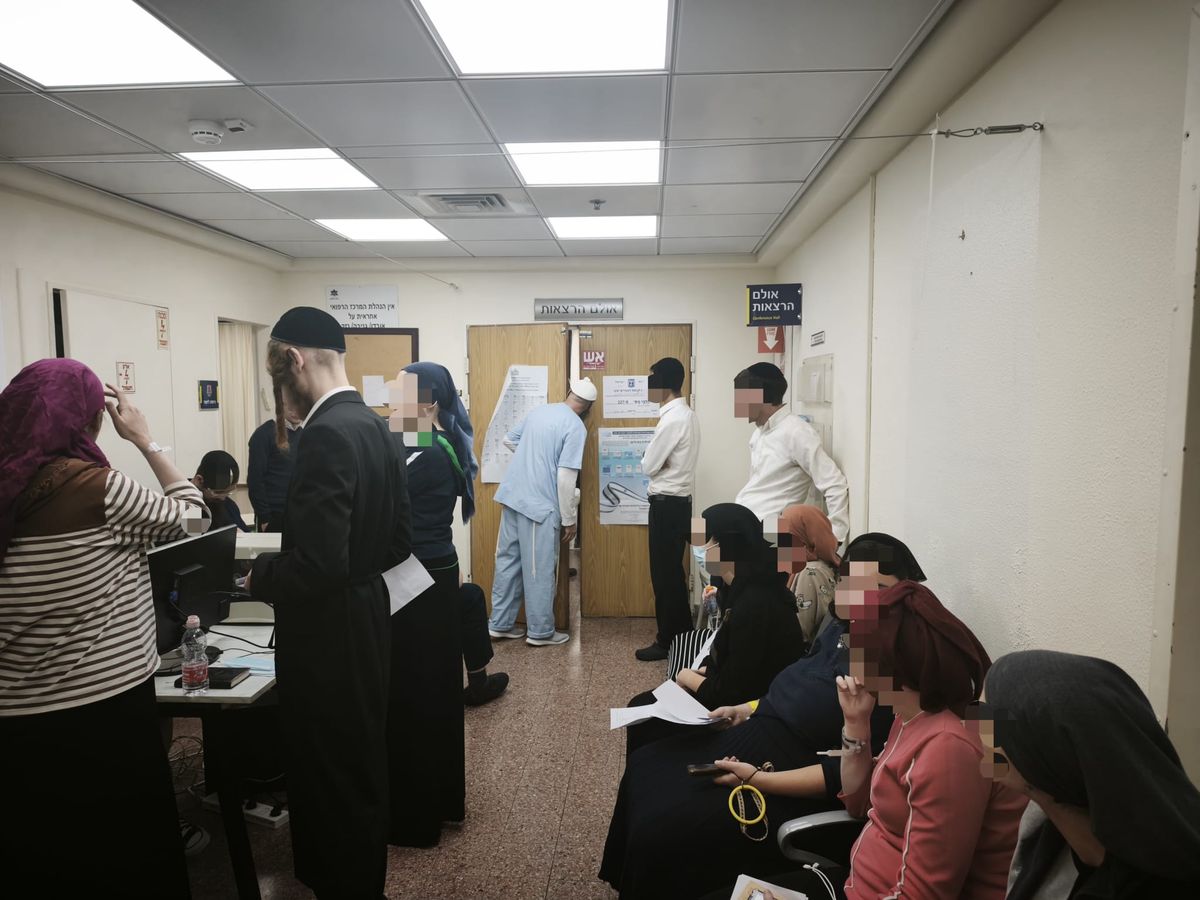
Waiting to vote at Ma'ayanei HaYeshua Hospital
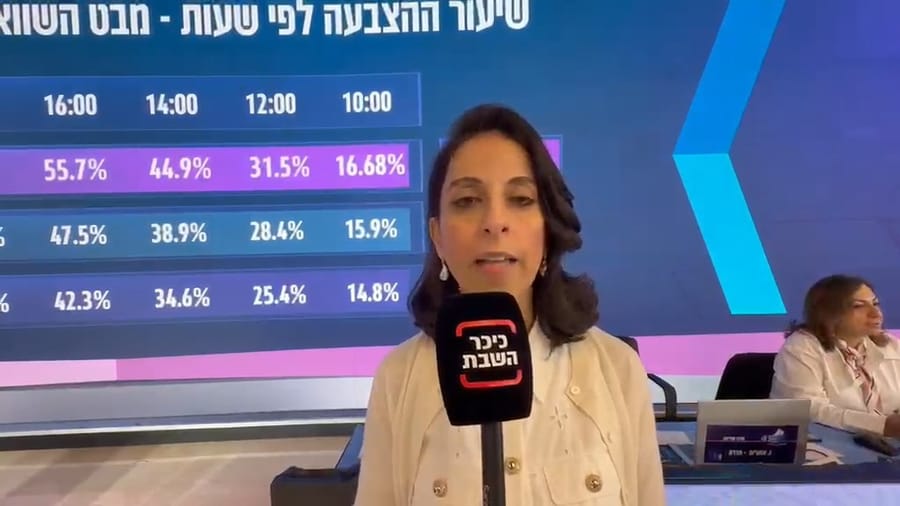
Elections interview
Elections interview (Photo: Kobi Israel)

While millions of citizens reached polling stations across Israel on Tuesday, the Central Elections Committee was managing a separate apparatus for those unable to vote at a regular ballot box. The system includes hundreds of polling stations in hospitals, institutions for people with limited mobility, prisons and detention facilities, and stations set up for evacuee communities.

At the Elections Committee's control centre, attorney Marganit Levi, deputy head of the Special Voting Division, explained how the voting apparatus operates and how the votes will be counted after the polls close.

"Our division handles all the special polling stations where voting is conducted outside the regular voter registry," Levi explained. According to her, there are 317 special polling stations, alongside 101 stations abroad where voting concluded on 16 October. In total, 418 stations.

One of the central stages in processing the votes is checking the double envelopes, designed to allow voting for those who cannot reach the station where they are registered, while preventing duplicate voting. Levi explained that after the special polling stations close at 20:00, the envelopes will arrive at the Knesset and be checked to ensure voters did not cast ballots at both the special station and their regular one.

"We peel off the outer envelopes that bear the voters' personal details, separate them from the blue voting envelopes that we all vote with, and begin counting the double envelopes," she described. According to her, hundreds of counting committees at the Knesset are expected to begin work tomorrow evening, and the envelopes will be counted as part of the double-envelope count, together with envelopes that arrived from the IDF.

The special polling apparatus also includes stations for four evacuee communities: Kfar Aza, Nir Oz, Be'eri and Cholit. Five dedicated polling stations were set up for these communities. "The order of magnitude of voters at the evacuee stations is around 2,000 people," Levi noted, clarifying that evacuees can also vote at special accessible polling stations not designated specifically for evacuee communities.

In prisons, the potential number of voters stands at around 12,000, including prison guards. Regarding hospitals, Levi explained that it is difficult to estimate the number of voters in advance, as the figure depends on the number of hospitalised patients and their medical condition. As is known, the Health Ministry enabled tens of thousands of hospitalised patients to exercise their democratic right to vote, with polling stations set up in every institution with more than 50 licensed hospital beds.

One of the points Levi highlighted during the interview is the volume of enquiries from citizens seeking to exercise their voting right, particularly patients hospitalised in hospitals. Asked whether unusual incidents or suspicions of fraud were recorded at the special polling stations, Levi said: "There are very many enquiries. I can say that compared even to previous election campaigns, there are a huge number of enquiries."

According to her, her impression is that the volume of enquiries indicates a high turnout. "Many people who are hospitalised want to know how they can still vote, how they can still get there," she recounted.

However, there are cases where the hospitalised patient's medical condition does not allow him to reach the polling station. "There are people who unfortunately, due to their medical condition, the doctors cannot disconnect them from various machines and so on, and therefore unfortunately they will not be able to vote," she explained. Levi emphasised that the decision in such cases is subject to medical discretion, not to a decision by the Elections Committee. "From our perspective, the right to vote is given to everyone, and everyone can reach the polling stations to vote," she concluded.

It should be noted that 7.3 million eligible voters went to the polls today, with around 12,000 regular polling stations operating across the country alongside the special polling apparatus.


Ready for more?

Join our newsletter to receive updates on new articles and exclusive content.

We respect your privacy and will never share your information.

Enjoyed this article?

Yes
No
Follow Us:

Unmissable content


Loading comments...

Also of Interest