
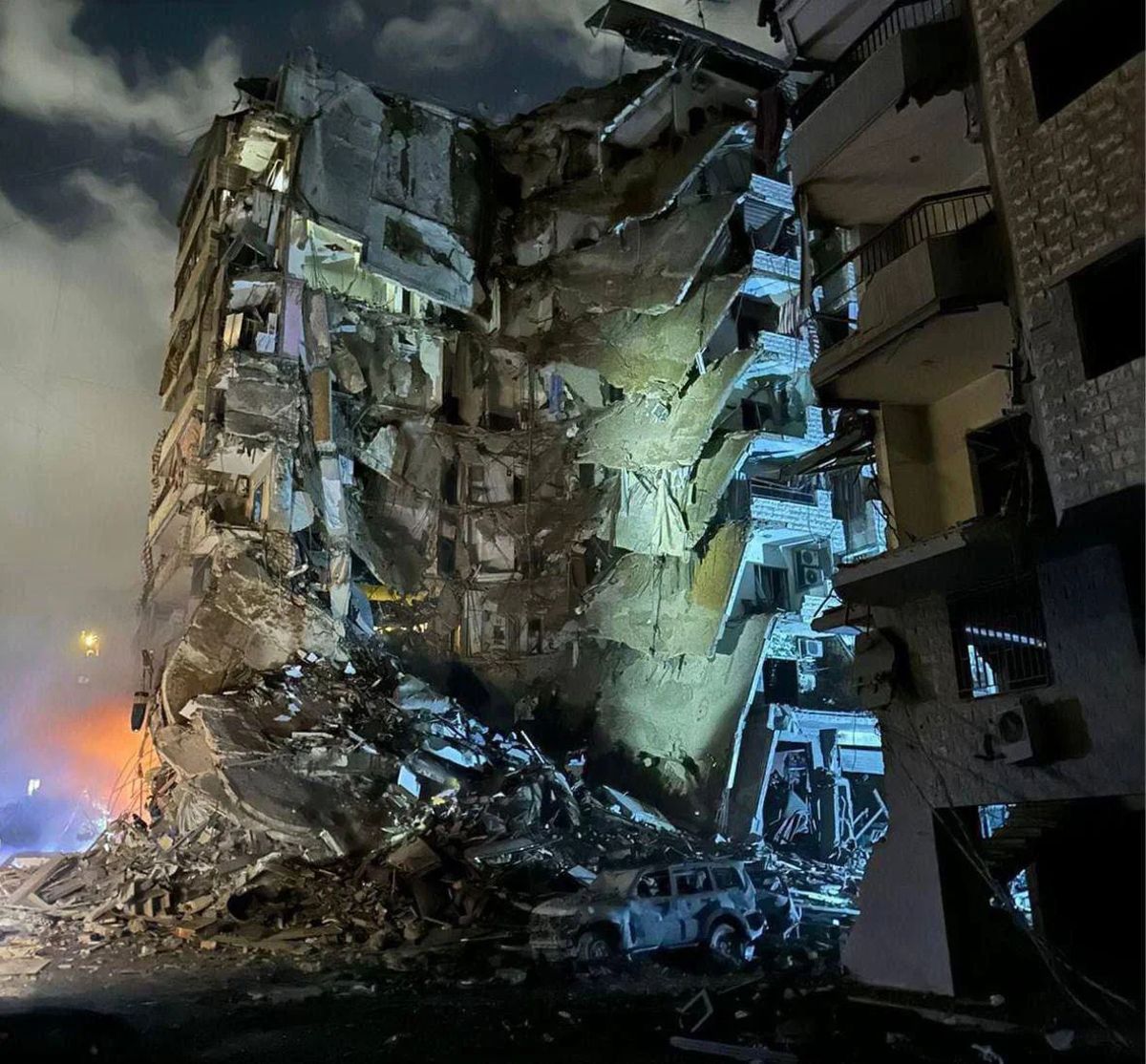
The political echelon has intervened directly in the management of the northern campaign, issuing a strict operational command to senior military leaders prohibiting random or uncoordinated aerial bombardments across the capital city of Beirut. The specific defense restriction was handed down despite a significant surge in enemy explosive drone attacks and a sharp escalation in the volume of rocket fire launched into frontline civilian towns. According to senior governmental sources, the policy was enacted to ensure that local actions are not viewed by the international community as a deliberate attempt to sabotage the delicate negotiations occurring between Washington and Tehran.
The internal strategic friction reached a peak during a restricted security consultation, where the chief of staff requested immediate authorization to demolish prominent administrative and military towers within the core neighborhoods of the Dahiyeh district. The military leadership argued that a devastating, visible response was required to alter the enemy's calculation regarding the continuous deployment of low-altitude explosive devices against infantry positions. The political cabinet, however, flatly refused to sanction the expanded urban offensive, explicitly informing defense planners that the state would not face accusations of intentionally derailing the incoming American administration's regional peace initiatives.
Under the current operational guidelines distributed to flight wings, tactical commanders possess total, unhindered freedom of action to execute high payload missions across southern Lebanon, while the capital remains bound by rigorous political filters. Senior diplomats emphasized that the preservation of long-term strategic cooperation with the United States requires local forces to exercise immense geographic discipline within urban centers. Cabinet ministers are scheduled to present these controversial boundaries to the wider security committee during an evening session, where officials will also review the confidential clauses of the un-signed treaty currently being formulated in Qatar.