The Ran Gvili Sticking Point
A major diplomatic and operational impasse is slowing the transition to Phase Two of the Gaza agreement, as the US and Qatar, the two most influential mediators, urge Israel to move forward despite unfulfilled commitments. Israel is currently insisting on the return of the body of Master Sgt. Ran Gvili, the last fallen hostage held by terrorists, as a fundamental precondition for advancing the deal and initiating any steps for the disarmament of the Gaza Strip.
This insistence runs contrary to the desires of the mediators, who wish to proceed with Phase Two even before Gvili's return is secured.
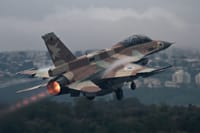
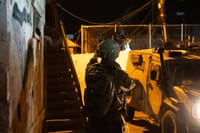
Meanwhile, military activity continues in the south. The Golani Brigade battle team is operating in Rafah, supported by the Air Force, as they search for "dozens of terrorists" believed to be hiding in tunnels and ruins. Military sources estimate that these terrorists emerge primarily to search for food, but also to seize operational opportunities to attack IDF forces before retreating. Over the last month, more than twenty terrorists have been eliminated or arrested around the Jinina neighborhood. Senior military officials recently warned that Hamas is continuously deploying terrorists toward the "Yellow Line," noting, "Almost every day there is an incident... If it's not at the Yellow Line, they will send terrorists to the border."
Hamas Demands and US Pressure
Hamas leadership has publicly updated that they will intensify their search for the location of Gvili’s body in the coming days. Concurrently, they are demanding the immediate transition to Phase Two, which includes opening the Rafah crossing for the entry of goods and pedestrians, it is currently open only for exit from Gaza.
Hamas has demanded the entry of 6,000 trucks of goods per day, a massive increase from the current 600, while openly opposing disarmament and threatening Israel.
According to the Trump plan, Phase Two should begin immediately upon the return of Gvili’s body. This phase includes Israel withdrawing eastward from the "Yellow Line," transferring control of parts of the territory to a multinational force, and opening the Rafah crossing in both directions.
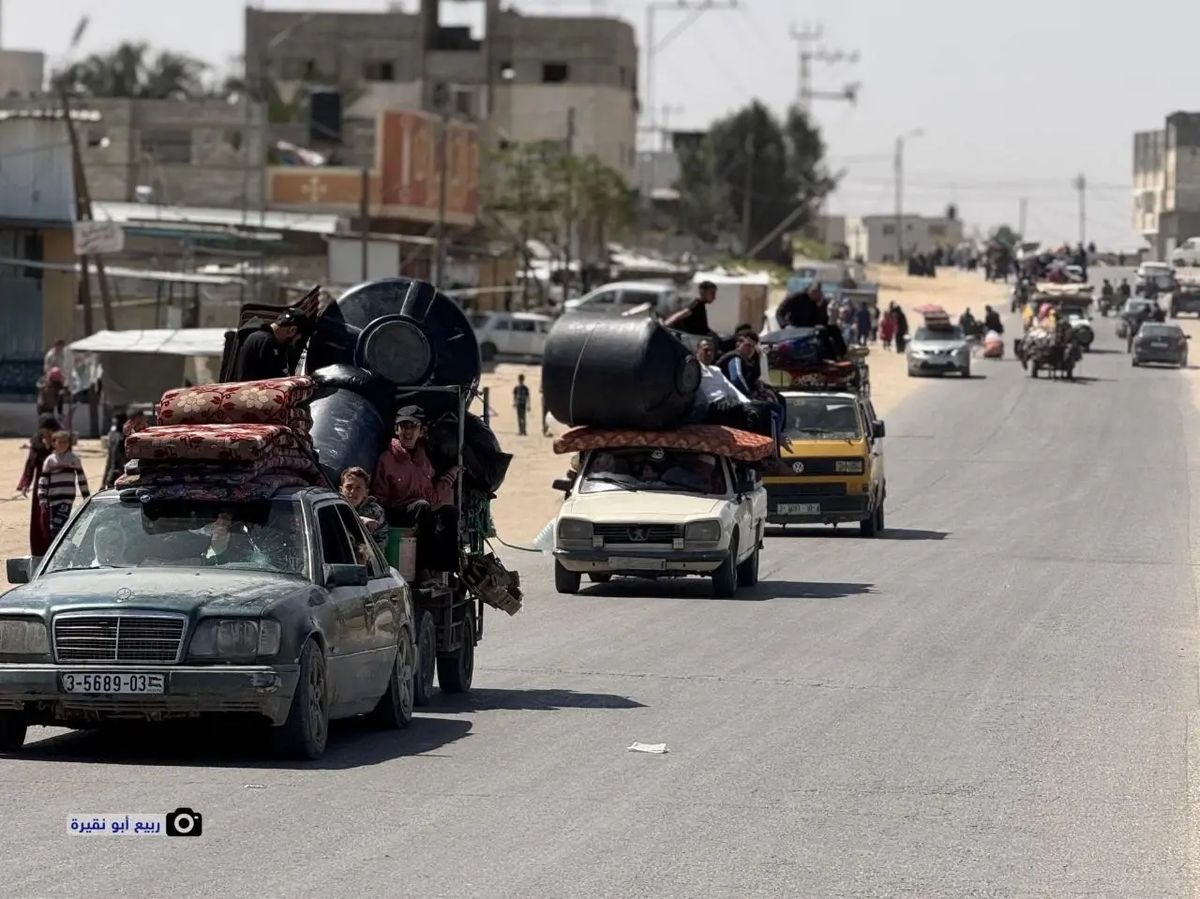
The US administration is pushing Israel to prepare for Phase Two even without Gvili's return, focusing immediately on Rafah as the first area where a massive tent city for hundreds of thousands of displaced Palestinians will be established. This includes moving heavy engineering equipment into the area to begin debris removal for the reconstruction of Gaza.
Qatar, as a prominent mediator, is attempting to normalize Hamas's demands to facilitate the move to Phase Two before Gvili is returned.
The Rafah Tent City Model
Israel’s government maintains a staunch opposition to any progress without the return of the last fallen hostage and a clear commitment to, and the commencement of, the disarmament process, specifically the stripping of weapons from Hamas and Islamic Jihad, and the transfer of governance to a multinational force. At this time, Hamas has not specified when Gvili will be returned, no multinational force is prepared to enter Gaza, and the IDF is still actively fighting terrorists in Rafah.
The US wants to transform Rafah into a preliminary "terror-free zone" not controlled by Hamas. To achieve this, Washington is pressing Israel to establish a site free of rubble, complete with electricity, water, and sewage infrastructure, a proposal currently meeting strong Israeli resistance.
A recent diplomatic idea has been proposed to resolve the disagreements: in exchange for Gvili’s return and to advance infrastructure development in Rafah, the Hamas leadership would commit to transferring areas under its control, proportional to the areas Israel withdraws from Rafah.