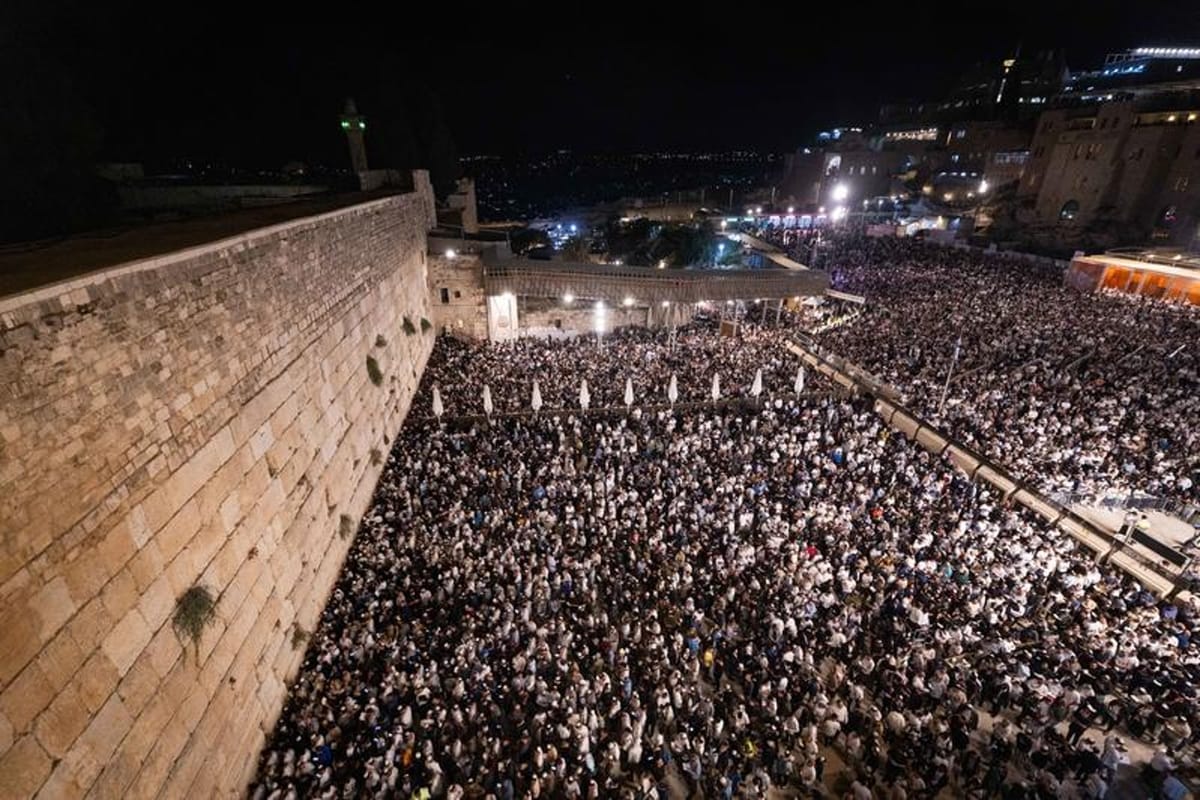
In a move that signals a significant shift in the balance of power between the legislature and the judiciary, the Knesset approved the preliminary reading of the "Western Wall Law" on Wednesday. The bill passed with 56 lawmakers in favor and 47 opposed, marking a pivotal step in the coalition’s effort to cement Chief Rabbinate control over the holy site.
The legislation seeks to formally define "desecration" at Jewish holy sites exclusively as behavior that contradicts the instructions and rulings of the Chief Rabbinate of Israel. By establishing this explicit definition, the bill aims to prevent the High Court of Justice from applying broad judicial interpretations to religious conduct, a practice that proponents of the law argue has allowed the court to decide on purely halakhic (Jewish legal) matters.
The bill introduces several critical amendments to the "Protection of Holy Places Law":
- Defining "Desecration": The term will now be tethered strictly to the Chief Rabbinate’s guidelines, effectively removing the court's discretion in determining what constitutes inappropriate behavior at the site.
- Mandatory Consultation: The law designates the Chief Rabbis as the sole "representatives of the Jewish religion" with whom the Minister of Religious Services must consult regarding site regulations.
- Legislative Intent: Supporters from the Noam party stated the bill restores the original 1967 intent of the law, countering years of "expansive judicial interpretation" that permitted prayer arrangements, such as those sought by the Women of the Wall and Reform movements, contrary to traditional Orthodox practice.
The vote saw a split within the plenum, though the coalition largely unified behind the measure. Shas Chairman Aryeh Deri was notably absent due to a pairing agreement (offsetting) with an opposition member, but his party released a statement hailing the vote as a "protective wall" against Reform attempts to "debase the sanctities of Israel."
Justice Minister Yariv Levin lauded the result, characterizing it as a direct message to the High Court. "The Knesset told the High Court - no further!" Levin said, calling for the rapid completion of the legislative process to end judicial intervention in the Western Wall’s management.
MK Avi Maoz, a primary driver of the bill, called the vote a "national and historic step," asserting that a secular court should not have the authority to determine sanctity at the Jewish people's holiest site.