Heavy clashes between Syrian government forces and the Kurdish-led Syrian Democratic Forces (SDF) have entered their third day in Aleppo's northern neighborhoods, prompting tens of thousands of residents, many from Kurdish communities, to flee amid intense shelling and a tightening siege.
Reports indicate at least 12 people have been killed, including civilians, with dozens more wounded as artillery, rockets, mortars, and drones target densely populated areas in Sheikh Maqsoud and Ashrafieh.
The violence erupted on January 6 following stalled U.S.-mediated negotiations over the integration of the SDF into Syria's national army, as per a March 2025 agreement that remains unfulfilled.
Syrian government forces, under interim President Ahmad al-Sharaa (formerly known as Abu Mohammad al-Jolani of Hay'at Tahrir al-Sham), declared the neighborhoods "closed military zones" and imposed a curfew starting at 1:30 p.m. local time on January 7, urging civilians to evacuate via designated humanitarian corridors such as Al-Awarid and Al-Zuhour streets.
By January 8, the Syrian army announced targeted operations against SDF positions, including in nearby Bani Zaid, while denying any full-scale advance and claiming to secure civilian exits.
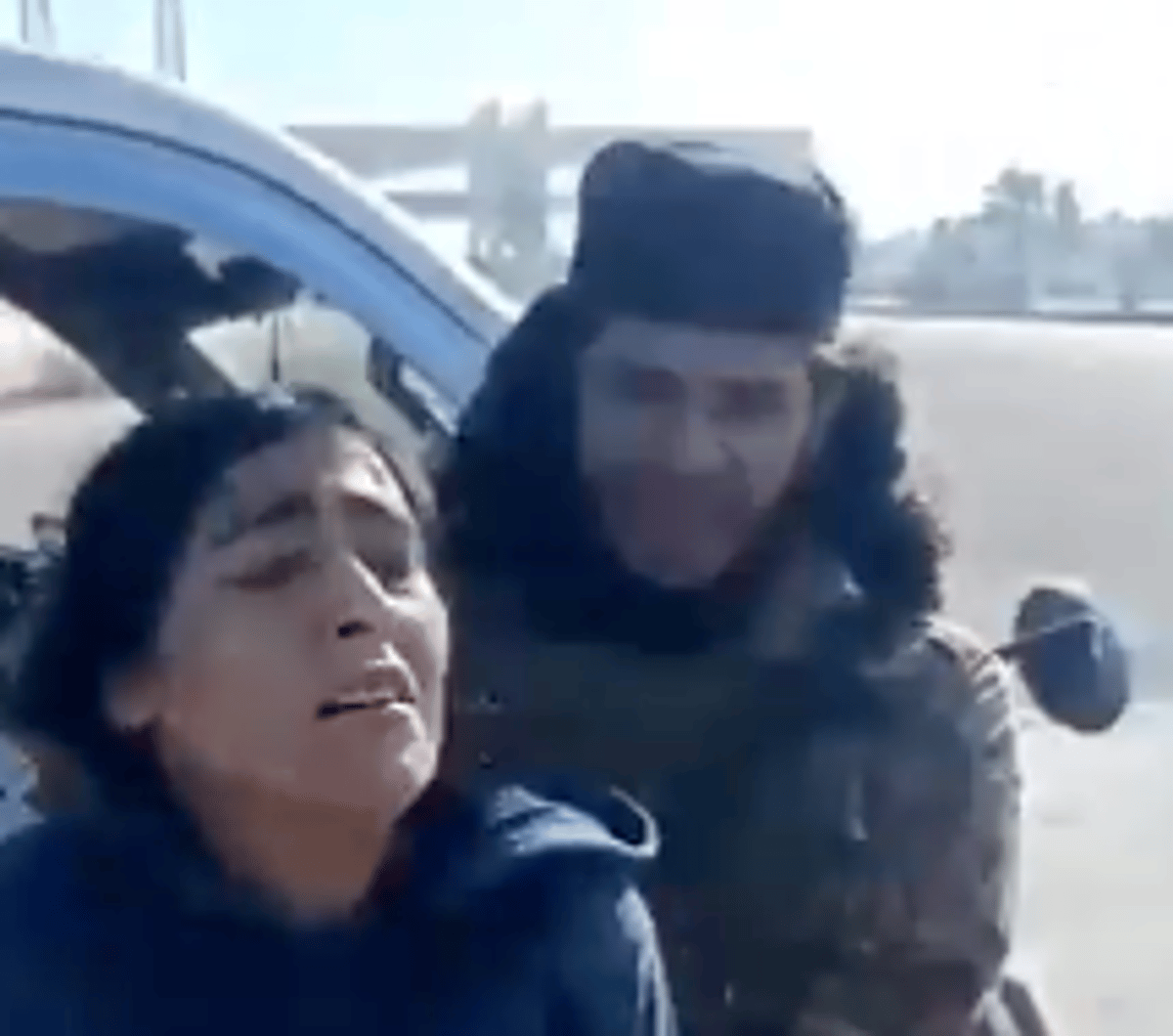
Eyewitness accounts and social media footage show families fleeing with belongings and livestock, amid sounds of gunfire and explosions.
Residents report intensified nighttime bombardments, power outages, and restrictions on food and medical supplies, exacerbating a humanitarian crisis in these besieged enclaves.
The SDF accuses government forces of imposing a "suffocating siege" and using heavy weapons like tanks and armored vehicles to target civilian infrastructure, failing to advance on key fronts and instead escalating pressure on populated areas.
In contrast, Damascus claims the SDF initiated attacks, using snipers and mortars on government-held areas, killing soldiers and civilians, and targeting evacuating residents to use them as human shields.
Casualty figures remain contested: SDF sources report at least eight civilians killed and 57 wounded from the bombardments, including women and children.
Government media cites three civilians and one soldier killed in SDF attacks, with broader reports indicating up to 12 deaths over the two days.
The UN has expressed alarm over civilian casualties and called for immediate de-escalation and protection of non-combatants, urging a return to dialogue.