Australian police said Tuesday that the two gunmen who opened fire on a Chanuka celebration at Sydney’s Bondi Beach earlier this month acted alone and were not part of a broader terrorist cell, following an initial assessment of the attack that left 15 people dead.
The December 14 shooting, Australia’s deadliest mass killing in nearly three decades, shocked the country and prompted renewed scrutiny of extremist violence and national security. Authorities allege that Naveed Akram and his father, Sajid Akram, carried out the attack during a public Chanuka event attended by families and children.
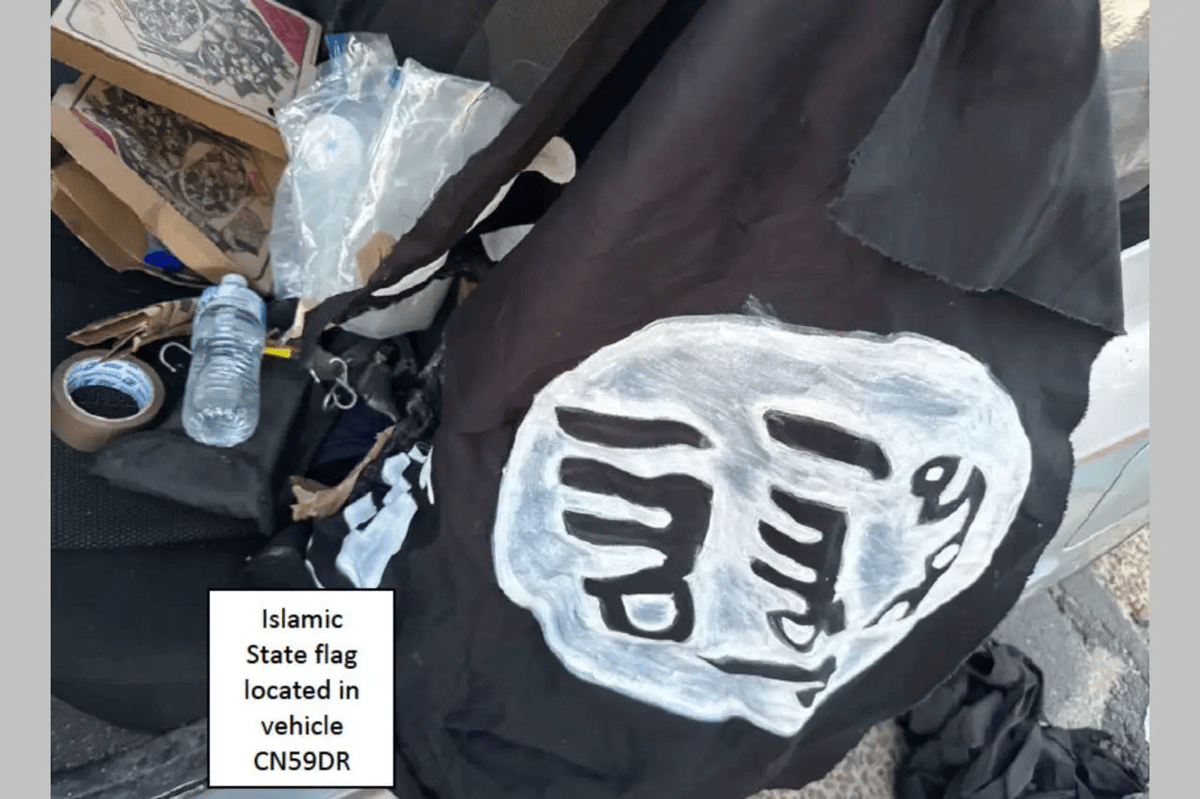
Police had previously said the pair were inspired by the Islamic State group. Homemade flags associated with the group were found inside their vehicle after the attack, and investigators focused heavily on a month-long trip the two men took to the southern Philippines in November, a region that has previously seen militant activity.
However, Australian Federal Police Commissioner Krissy Barrett said Tuesday there was no evidence the men received formal training during that trip or acted under direction from others.
“There is no evidence to suggest these alleged offenders were part of a broader terrorist cell, or were directed by others to carry out an attack,” Barrett told reporters. She emphasized that the findings were preliminary and that investigations are ongoing in cooperation with authorities in both Australia and the Philippines.
“I am not suggesting that they were there for tourism,” Barrett added, referring to the Philippines visit, while noting that no operational links to organized militant groups had been established at this stage.
During the attack, Sajid Akram was shot and killed by police at the scene. His son Naveed Akram was also shot and later charged after emerging from a days-long coma earlier this month. Prosecutors have charged him with 59 offenses, including 15 counts of murder, as well as terror-related and explosives offenses.
The attack has also triggered a political debate in Australia over accountability and the scope of a national response. Prime Minister Anthony Albanese on Monday rejected calls for a federal royal commission into the shooting, despite appeals from victims’ families, elected officials, and Jewish community leaders.
Albanese said such a commission would take too long and risk amplifying extremist rhetoric. Instead, the government has opted for an internal national security review.
The review will be conducted by Dennis Richardson, a former senior defense and intelligence official, and will examine any failures or gaps related to the December 14 attack. Albanese said the review would assess whether additional actions are required at the federal level and would coordinate with state authorities as needed.
“The review will be able to look quickly and sharply at what happened and determine what further steps, if any, are necessary,” Albanese said.
Investigators stressed that while early findings point to the attackers acting independently, the inquiry remains active, and additional evidence could still emerge as authorities continue to analyze communications, travel records, and financial activity connected to the suspects.