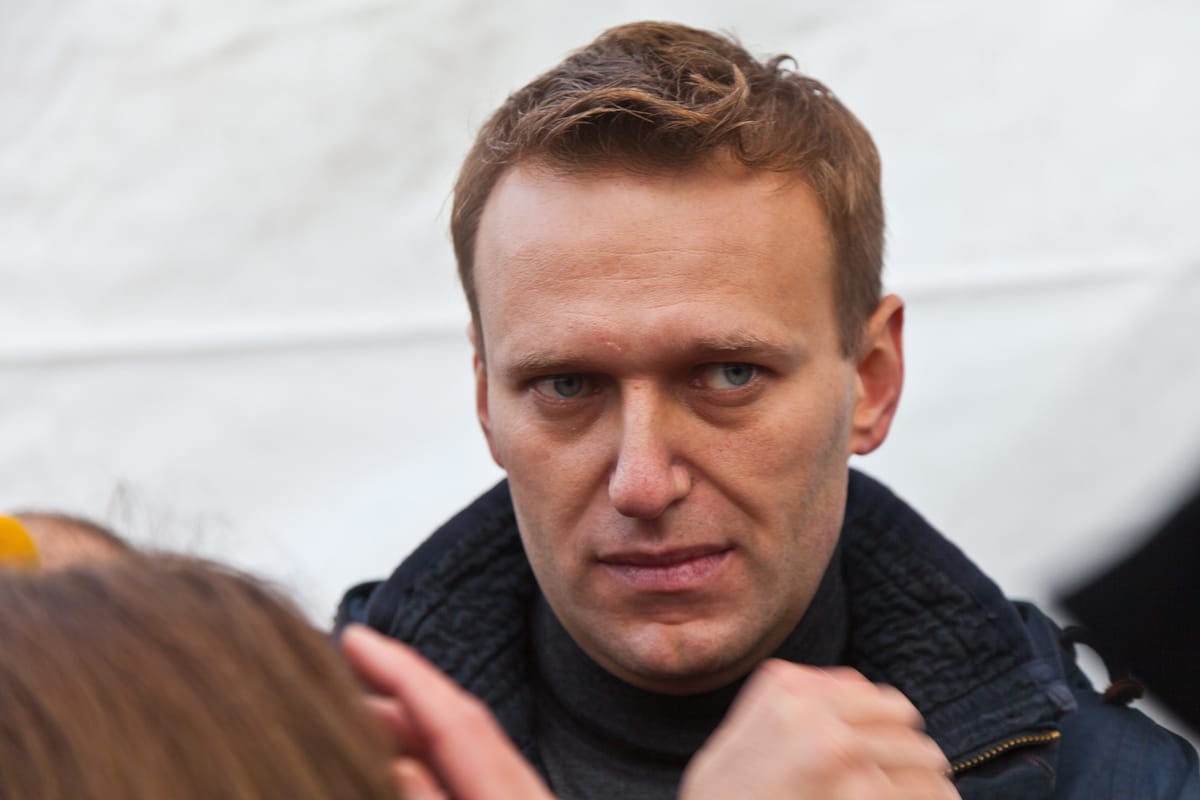
Two years after the suspicious death of Russian opposition leader Alexei Navalny, a coalition of European nations has released a joint statement alleging that he was assassinated using a rare and potent biological toxin. Navalny, who was the most vocal critic of President Vladimir Putin, died in February 2024 after collapsing at a high security penal colony in the depths of Siberia. While Russian authorities initially claimed his death was due to natural causes, investigators from the United Kingdom, France, Germany, Sweden, and the Netherlands now assert that specialized laboratory analysis tells a much darker story. The findings suggest that the Kremlin utilized a toxin commonly associated with poisonous frogs, a substance that has no business being in a Russian prison, to silence the opposition figure once and for all.
Forensic Evidence and International Violations
The core of the European assessment rests on the detection of epibatidine, a powerful and paralyzing toxin found in poison dart frogs. Investigators pointed out that these specific frogs are native only to Central and South America, making the presence of the toxin in a Siberian prison impossible without deliberate human intervention. The joint statement argues that because Navalny was in state custody at the time of his death, the Russian government possessed the unique means, motive, and opportunity to carry out such a sophisticated poisoning. This discovery has led the European powers to accuse Moscow of violating not only the Chemical Weapons Convention but also the Biological and Toxin Weapons Convention, raising global fears that Russia has maintained and modernized a secret arsenal of lethal biological agents.
A Widow’s Search for Justice
Yulia Navalnaya, the widow of the late activist, expressed her gratitude to the European governments for their relentless pursuit of the truth. She noted that she had believed her husband was poisoned from the very moment she received the news of his collapse, and she views these forensic findings as the definitive proof the world has been waiting for. She praised the two-year investigative effort for finally uncovering the reality of his final moments. Despite the gravity of the accusations and the specific mention of biological warfare treaties, the Kremlin has remained silent, refusing to issue a response to the detailed European report. The findings now put immense pressure on the international community to hold the Russian leadership accountable for what is being characterized as a state sponsored execution using the most exotic and deadly tools available.