A Halal fair held over the weekend in Utrecht, the Netherlands, has drawn significant criticism after Dutch media reported that the event, marketed as a lighthearted commercial gathering for Muslim consumers, was heavily infused with pro-Palestinian and anti-Israel messaging. The fair was presented publicly as a venue for local entrepreneurs to reach the Dutch Muslim market, but reporters described an atmosphere in which political agitation overshadowed the products on display.
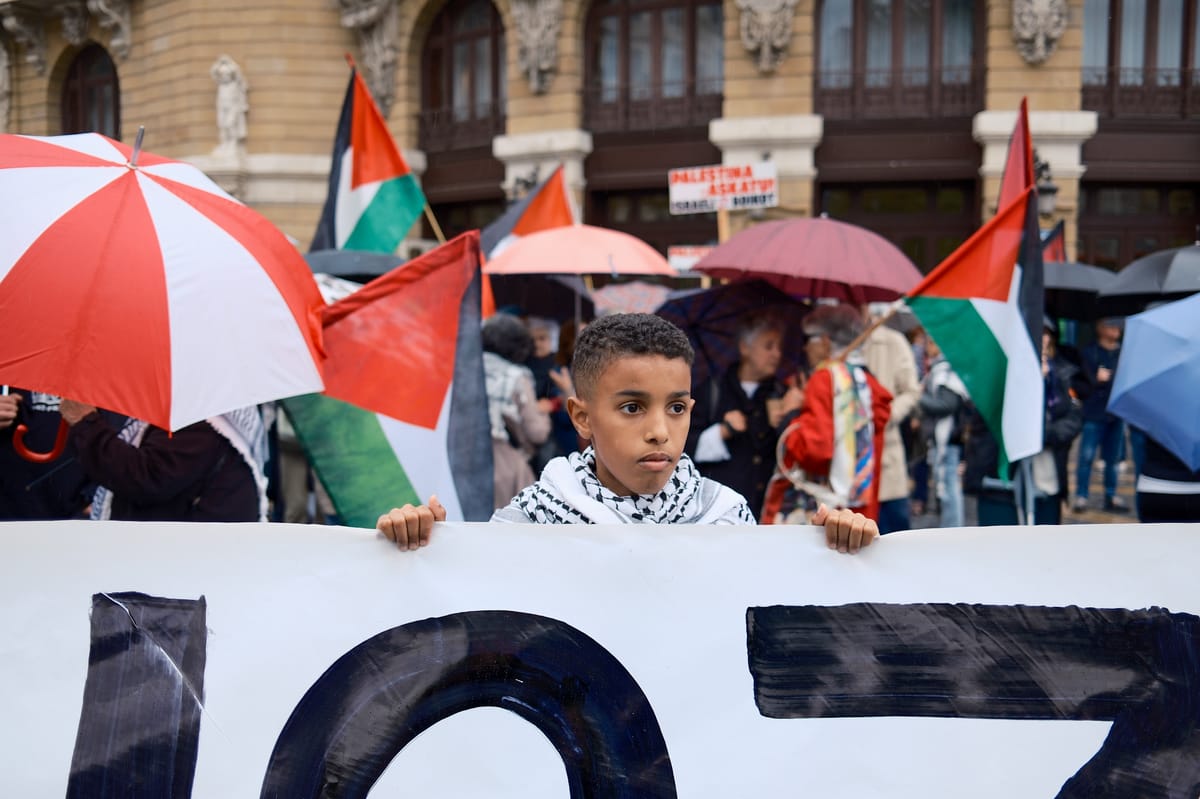
Vendors offered halal-certified snacks, health items, modest clothing, and religious books. Organizers called the fair “the perfect place” for Muslim oriented businesses, framing it as an inclusive cultural marketplace. Yet Dutch outlets noted that the site was dominated by Palestinian flag colors, slogans, and imagery associated with political campaigns against Israel. Watermelon symbols, a widely recognized stand-in for the Palestinian flag, appeared throughout the venue.
Some booths promoted explicit slogans celebrating “resistance.” One clothing brand, calling itself “Ready to Resist,” sold garments with the message “Buy and join the struggle,” framing commercial purchases as participation in a political fight. In the children’s section, a book titled “Soul of My Soul,” which focused on Palestinians who died, was prominently displayed. Several additional children’s books featured faceless characters, which visitors understood as reflecting stricter currents within Islamist teaching that discourage portraying human figures.
A separate controversy emerged from the presence of a booth operated by Islamic Relief. The organization has been classified in Germany as linked to the Muslim Brotherhood, and the United Arab Emirates designated it a terror organization more than a decade ago due to alleged ties to extremist networks. Its placement beside a local police booth raised questions among critics about the vetting process for participants. Islamic Relief rejects the allegations, but the juxtaposition nonetheless fueled public concern.
The fair took place against the backdrop of months of large anti-Israel protests and riots in multiple Dutch cities, as well as the attempted lynching of Israeli soccer fans after an Ajax game in Amsterdam. Critics of the Utrecht event argued that the fair crossed a line by embedding overtly political messaging, some of it explicitly anti-Israel, within what was advertised as a community market.
Organizers did not address the criticism directly, continuing to describe the fair as a community-focused gathering.