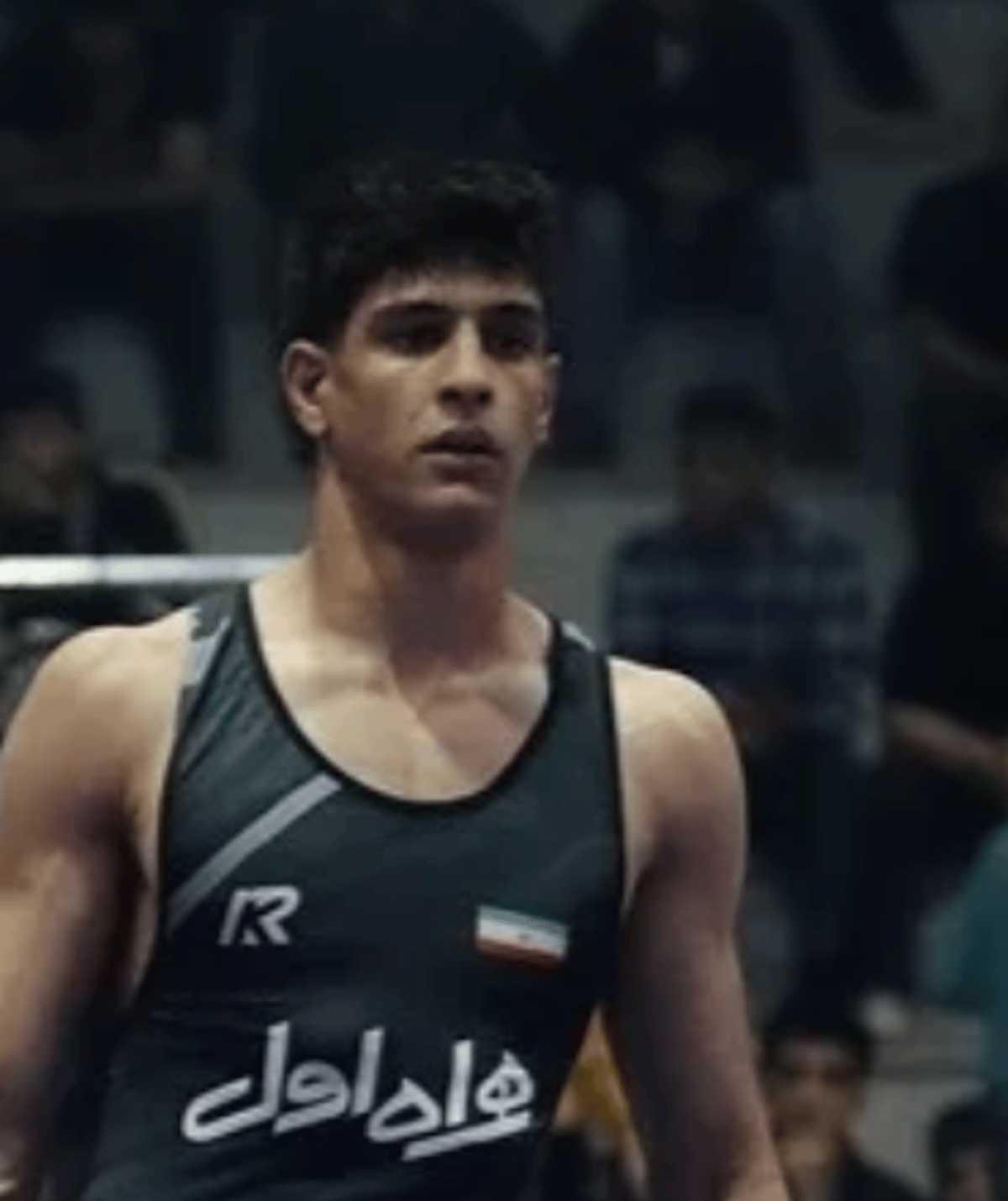
Iran executed Saleh Mohammadi, a 19-year-old member of the national wrestling team, on Thursday morning after a swift and controversial trial that his family says lacked due process. Two other young men, Mehdi Qasemi and Saeed Davoudi, were executed alongside him, all convicted in connection with the killing of law enforcement officers during December protests.
The three men were arrested on December 18, 2025, following a chaotic night of demonstrations in Nabut Square, where protests had escalated into violence. According to Iranian state accounts, Molotov cocktails were hurled at police, and at least one officer, Mohammad Qasemi Hompour of a special security unit, was fatally wounded after being knocked from his motorcycle and sustaining multiple stab wounds. A pathology report documented 29 injuries on the officer's body.
Mohammadi categorically denied the charges and claimed his written confessions were extracted under duress and threats. Security footage failed to capture his face in the alleged attack, and multiple witnesses testified he was not at the scene, his uncle, teammates, and coaches all confirmed he was at his uncle's house when the violence erupted. Yet the court also relied on witnesses whose identities were never disclosed to Mohammadi's legal team, a practice that further clouded the proceedings.
The judicial process afforded minimal protections. When Mohammadi's family sought to appoint an independent attorney, the court refused and instead appointed state-selected defense counsel. This legal asymmetry, combined with anonymous witness testimony, drew criticism from international observers already alarmed by Iran's use of capital punishment in protest-related cases. The conviction carried not just a death sentence but an additional order that Mohammadi's family pay compensation for injuries he allegedly inflicted. Despite being open to appeal, the appeal yielded no reprieve.
Before his arrest, Mohammadi had been recognized as one of wrestling's most brilliant young talents. In September 2024, just months before his detention, he won a bronze medal at the Buvaisar Saitiev International Tournament in Krasnoyarsk, Russia, competing for the Iranian national team at the highest level of the sport. His meteoric rise through wrestling's ranks had made him a symbol of Iranian athletic promise.
In a haunting echo of his fate, Mohammadi's final Instagram post, shared just three months before his execution, showed him returning to training after recovering from a serious injury. He captioned it: "And we held on beyond what we ever imagined for ourselves." Those words now carry tragic irony as a glimpse of a young man determined to overcome adversity, unaware that the political turbulence consuming his nation would erase that future entirely.