The Israeli security establishment is warning that the Middle East has reached a dangerous tipping point, with only a "single match" or a minor misunderstanding needed to collapse the fragile ceasefire with the Iranian regime. Defense Minister Israel Katz is being updated daily on the movements of the Iranian Revolutionary Guard and the progress of the stalled negotiations between Washington and Tehran. Behind the scenes, Saudi Arabia and the United Arab Emirates are reportedly exerting massive pressure on the Trump administration, fearing that any American withdrawal or a "weak" agreement would leave them exposed to a murderous Iranian revenge.
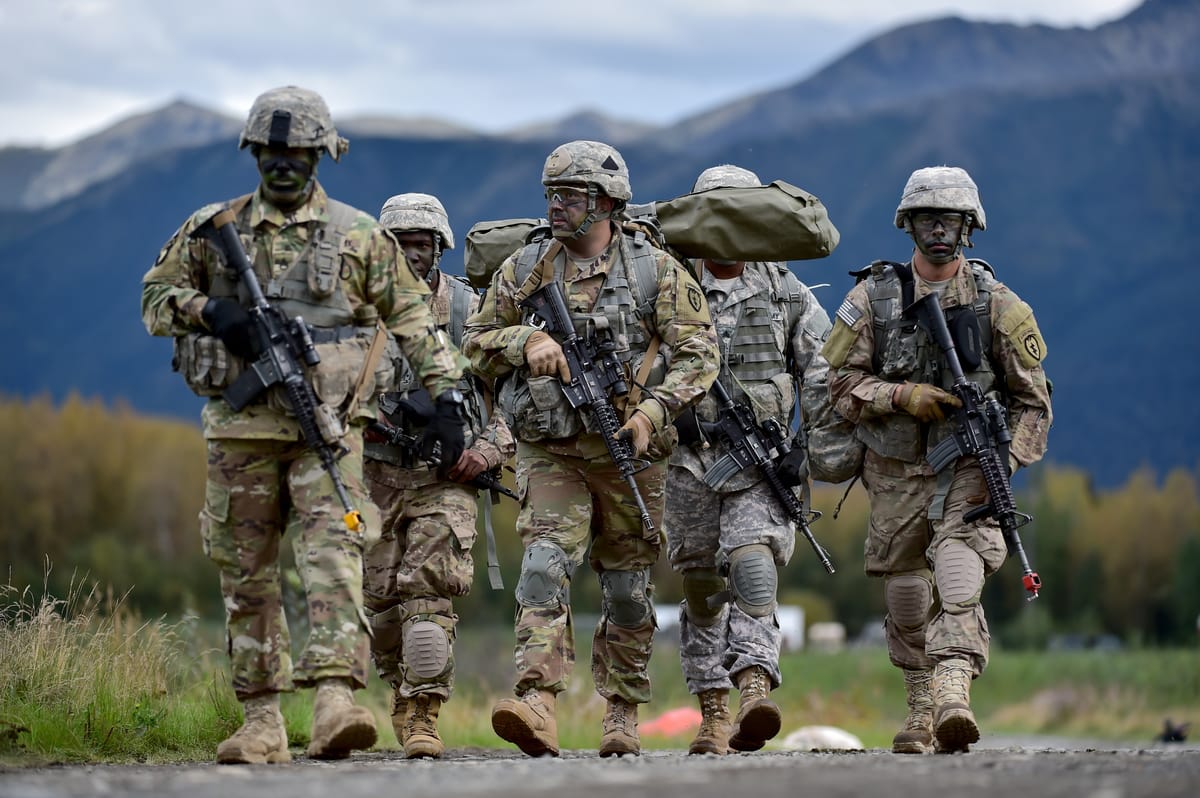
On the ground in Israel, the military presence is significant, with approximately 6,000 American soldiers and security officials currently on high alert. Israeli defense sources admit that the "fuel vapors" in the Persian Gulf have reached a record high, making a return to direct fighting appear almost inevitable. Israel has spent the period of the ceasefire updating its "bank of targets" inside Iran, ensuring that any renewed hostilities will be met with a devastating and precise response. The primary concern is that a direct confrontation between the U.S. and Iran will trigger a chain reaction, leading to an immediate Hezbollah attack on Israel.
Security officials have made it clear that a return to war with Iran would mean the immediate collapse of the current arrangement in Lebanon. Sheikh Naim Qassem, the leader of Hezbollah, is expected to launch massive rocket barrages into the Israeli heartland to prove his loyalty to the Iranian axis. In response, the IDF has already finalized operational plans to strike Beirut with a "power that will shake the city." Amidst this tension, Israeli and American intelligence have identified deep cracks within the Iranian leadership, as economic crises and internal political infighting prevent the regime from reaching a consensus on a new agreement. For the IDF, the question is no longer "if" the war will resume, but whether the coming strike will be a single painful blow or a prolonged campaign aimed at the regime's total surrender.