Iran's Revolutionary Guard Corps fired at least two missiles at commercial ships transiting the Strait of Hormuz overnight, causing significant damage to both vessels though no casualties, according to Axios and the Wall Street Journal, citing a US official. US Central Command had not immediately responded to a request for comment.
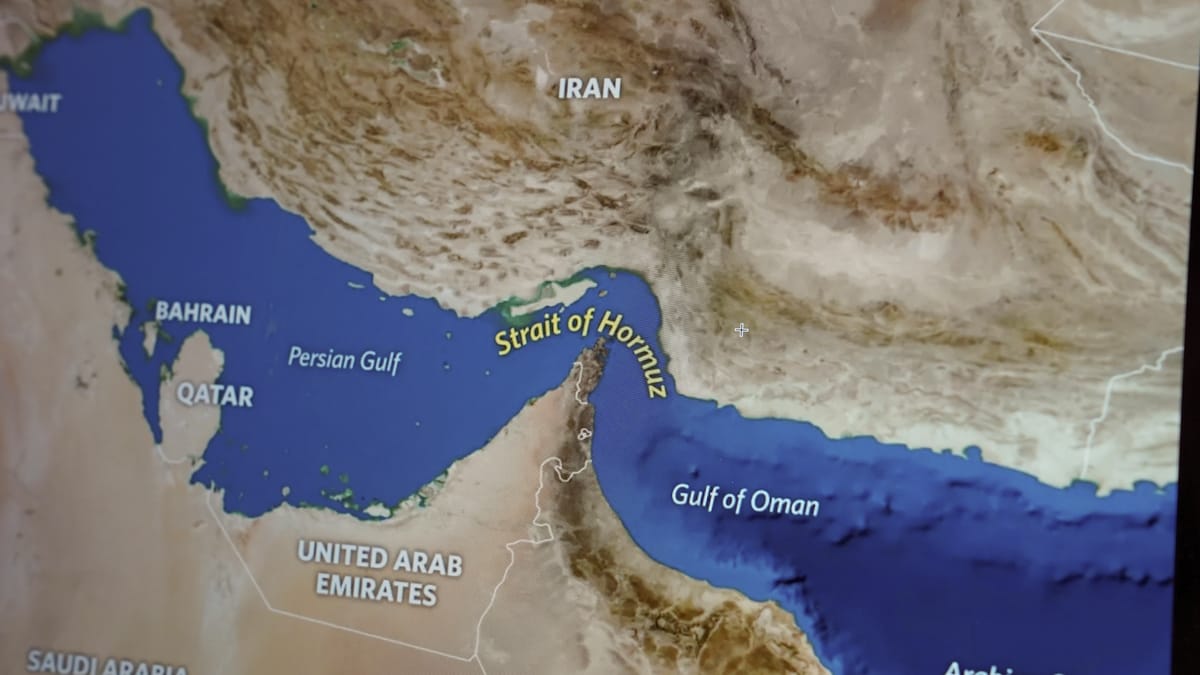
The UK Maritime Trade Operations agency said a tanker was hit by an unknown projectile on its port side while traveling southbound roughly eight nautical miles east of Oman's Limah, sparking a fire aboard the vessel. The Journal identified one of the targeted ships as Al Rekayyat, a liquefied natural gas tanker owned and managed by Nakilat, the shipping arm of Qatar's LNG industry, reporting that the vessel was struck on the port side near the top of its hull while at the mouth of the strait in the Gulf of Oman. Iranian state television separately aired footage of a vessel that ran aground in the strait, saying a gas tanker came under attack off Oman's coast after ignoring warnings, though Tehran stopped short of directly claiming responsibility for the assault, with only anonymous sources quoted implying Iranian forces carried it out.
The attack comes after indirect US Iran talks ended last week without any public sign of progress toward a lasting peace, despite a 60 day ceasefire framework intended to create space for diplomacy following the US and Israeli strikes that triggered the war in February. According to the Hormuz Strait Monitor, the 60 day window established under the June memorandum of understanding is now 17 days old, with 43 days remaining before an August 17 deadline, and transit volumes through the strait have remained at roughly 25 vessels a day, well below the pre-war average of 110.
Iran has repeatedly closed and reopened the strait to shipping since the war began, and briefly declared it closed again on June 20 after Israeli strikes in Lebanon, which Tehran described as a violation of its deal with Washington. Iran's foreign minister has said conditions for passage through the strait will be permanently different from what existed before the conflict, and Iran's Supreme Leader's office has signaled continued internal disagreement over whether Washington has fully honored its commitments under the ceasefire framework, including whether Iran has genuine access to funds that were supposed to be unfrozen as part of the deal.
The Strait of Hormuz remains one of the world's most critical energy chokepoints, with roughly a quarter of global seaborne oil trade and a fifth of the world's LNG normally passing through it before the war upended shipping patterns entirely.